
Best Low Temp Alarm Sensor Solutions for Reliable Environment Monitoring
Finding a dependable low temperature alarm sensor helps protect valuables, pets, and sensitive spaces. This guide highlights five top options that balance long battery life, range, and alert flexibility. Each pick suits different setups—from wine cellars and nurseries to RVs and greenhouses—so you can choose the right sensor for your needs. The table below summarizes key details to compare at a glance.
| Product | Best For | Key Benefit | Typical Range |
|---|---|---|---|
| YoLink Smart Temp & Humidity Sensor | Wide-range LoRa coverage users | Long range, battery life up to 2 years | LoRa: up to 1/4 mile open air |
| YoLink Smart Wireless Thermometer Hygrometer (3-Pack) | Multi-room or multi-zone monitoring | Flexible placement with 3 sensors, robust alerts | LoRa network |
| Necto Cellular Temperature Monitor | Power outages and remote locations | 2 years cellular service included | 4G LTE with no WiFi needed |
| Temp Stick Remote WiFi Sensor | Subscription-free remote sensing | Unlimited alerts via text, no recurring fees | 2.4 GHz WiFi |
| SensorPush HT.w | Precise, app-first monitoring | Comprehensive data logging and easy setup | Bluetooth with optional gateway |
YoLink Smart Temp & Humidity Sensor

Best for long-range, battery-powered monitoring. This YoLink sensor uses LoRa to reach up to 1/4 mile in open air, delivering up to two years of battery life. It is ideal for wine cellars, barns, greenhouses, RVs, and other spaces where WiFi coverage is limited. The hub connects via Ethernet or 2.4 GHz WiFi and supports Alexa (temperature only) and IFTTT applets for integration. Best for buyers who need wide coverage without relying on WiFi.
Who it’s for: homeowners with large or metal-enclosed spaces, rural properties, or multi-room environments needing reliable, offline-capable sensing. Caution: Not intended for outdoor use, so place it indoors and near the area you want monitored.
YoLink Smart Wireless Thermometer Hygrometer (3-Pack)

Best for creating a network of sensors across different rooms or zones. This 3-pack extends coverage with multiple devices and utilizes LoRa for long-range communication, keeping your network free from WiFi congestion. It provides customizable alerts via text, email, or push notifications, with optional limitations on SMS depending on plan. Suitable for refrigerators, greenhouses, and nurseries where precise, frequent updates are needed.
Who it’s for: users who want scalable sensing across several spaces without relying on home WiFi. Caution: SMS alerts are subject to per-device limits, so plan alerts accordingly and consider app notifications as a primary channel.
Necto Cellular Temperature Monitor

Best for power outages and remote monitoring without WiFi. This cellular-enabled sensor includes two years of 4G LTE service and a built-in multi-network SIM, providing 24/7 monitoring with real-time alerts. It supports up to five contacts for unlimited text and email alerts and can notify users about temperature, humidity, or power loss. The device features a rechargeable internal battery for operation during outages.
Who it’s for: RV owners, vacation homes, or remote cabins where cellular coverage is stable and WiFi is unreliable. Caution: After the included two-year period, ongoing service requires a renewal from the app.
Temp Stick Remote WiFi Temperature & Humidity Sensor

Best for subscription-free remote monitoring with unlimited alerts. Temp Stick uses 2.4 GHz WiFi (not 5G) to monitor temperature and humidity continuously, offering real-time alerts via app and email. It emphasizes long battery life, typically 1-2 years on batteries, and supports over-the-air software updates. This makes it attractive for home, RVs, and walk-in coolers where cellular or subnets aren’t preferred.
Who it’s for: users who want a straightforward, no-subscription alert system with reliable WiFi access. Caution: Not compatible with guest networks or public WiFi in some venues; ensure your network routing supports device access.
SensorPush HT.w Smart Temperature Sensor
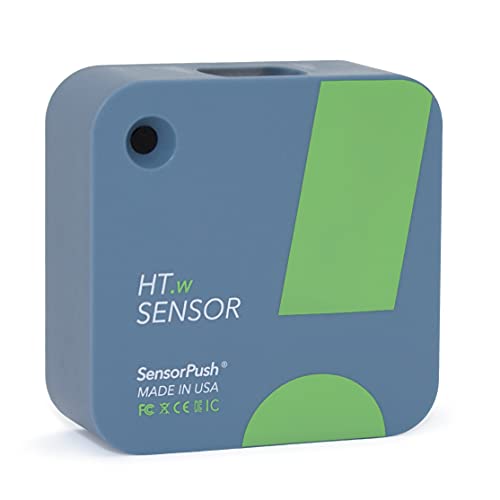
Best for precise readings and flexible app-based monitoring. SensorPush delivers easy setup, long battery life, and reliable Bluetooth range. The app supports data logging, and, with a WiFi gateway (sold separately), remote access becomes possible for greenhouse, fridge, or RV monitoring. It is particularly strong for users who want detailed historical data and straightforward notifications.
Who it’s for: users who value data depth and ease of setup, especially when you already use a compatible gateway. Caution: Remote access depends on adding the gateway; without it, monitoring is limited to Bluetooth range.
Buying Guide: Choosing the Right Low Temp Alarm Sensor
- What environment will you monitor? For large or metal spaces, consider LoRa-based sensors (YoLink) for long-range coverage. For remote locations without WiFi, cellular options (Necto) are advantageous.
- Is ongoing subscription acceptable? Temp Stick and many sensor ecosystems offer subscription-free or low-maintenance options, while some cellular plans require renewal after initial periods.
- What alert channels matter? Determine if you prefer text, email, push notifications, or voice assistant alerts. Some devices limit SMS to a quota per month.
- Do you require data logging? If you need historical data analysis, SensorPush provides extensive logging, while others focus on real-time alerts.
- What’s your power and maintenance tolerance? Battery life varies from months to years. If power outages are a concern, a device with battery backup or cellular connectivity helps.
Frequently Asked Questions
- What is a low temp alarm sensor good for? It protects valuables and spaces by sending alerts when temperatures fall outside a safe range.
- Can these sensors work without WiFi? Yes, some models use LoRa or cellular networks to operate independently of WiFi.
- Do these sensors require a hub? Some do require a hub or gateway for remote access; others connect directly via cellular or LoRa.
- Can I monitor multiple spaces with one system? Many options support multiple sensors, either in a single hub or via a gateway network.
- Are there privacy or security concerns? Use devices with secure connections and keep firmware updated to minimize risks.