
Best Heavy Metal Vents for Dryer: Durable, Safe, and Easy to Install
Choosing the right heavy metal vent system for your clothes dryer helps maximize airflow, reduce fire risk from lint buildup, and improve energy efficiency. This article reviews five top-rated metal vent options designed for American homes, focusing on durability, ease of installation, and long-term performance. Each product has features that suit different setups—from snap-lock aluminum pipes to robust hood vents and rust-resistant exterior covers. Read on to compare options and find the best metal vent for your dryer needs.
| Product | Brand | Type | Key Feature |
|---|---|---|---|
| Dundas Jafine P4E20ZW | Dundas Jafine | Heavy gauge vent pipe | Snap LOCK aluminum construction for a secure, durable connection |
| Builder’s Best 110889 Thru-wall Hood | Builder’s Best | Thru-wall vent hood | Galvanized steel with proper venting outside access |
| Hydencamm 4″ Vent Cover | Hydencamm | Exterior vent cover | Interlocking design with foam tape for noise reduction and weatherproofing |
| Eastman ArmorFlex 8 ft | Eastman | Flexible aluminum duct | Fire resistant and highly flexible for tight installations |
| Funmit 4″ Louvered Vent Cover | Funmit | Exterior vent cover with mesh | Stainless steel, anti-rodent design, self-closing louvers |
Dundas Jafine P4E20ZW Heavy Gauge Dryer Vent Pipe

The P4E20ZW combines heavy-gauge aluminum with a Snap LOCK system for quick, secure assemblies. Designed to minimize lint traps and ensure a tight seal, this 4″ x 24″ vent pipe is built to withstand outdoor weather conditions and indoor pressure changes. Its durable construction helps resist bending over time, making it suitable for long-term dryer vent runs in residential settings. When installed correctly, it supports reliable exhaust flow while reducing the chance of leaks or misalignments that can compromise performance.
Builder’s Best 110889 Thru-wall Dryer Vent Hood

This galvanized 4-inch vent hood provides a sturdy exterior exhaust point for your dryer. It offers a robust barrier against birds, pests, and cold drafts while promoting efficient venting. The hood is designed for straightforward installation and reliable performance, making it a strong fit for standard residential venting projects. Its galvanized steel construction ensures long-lasting resistance to rust and weather exposure, which helps maintain exterior appearance and function over time.
Hydencamm 4″ Upgrade Metal Dryer Vent Cover

This premium stainless steel vent cover features an interlocking design and foam tape to reduce noise and seal gaps effectively. It is designed to be resistant to rust and cracking, outperforming plastic alternatives in harsh weather. The product emphasizes sturdy construction, with an emphasis on keeping out intruders while maintaining efficient venting. It also notes a caution about edge safety during installation, suggesting gloves to prevent cuts while mounting the cover and ensuring a snug fit against exterior walls.
Eastman ArmorFlex Dryer Vent, 8 Ft
The ArmorFlex dryer vent is a flexible aluminum duct designed for reliable connections between the dryer and the vent. It is flame resistant, rated to withstand a wide temperature range, and designed to accommodate 90-degree bends in tight spaces. Included stainless steel hose clamps help secure the duct for a tight seal. This option is suited for installations where rigid piping is impractical and elbowed routing is required, balancing flexibility with safety and airflow efficiency.
Funmit 4” Metal Dryer Vent Cover With Mesh
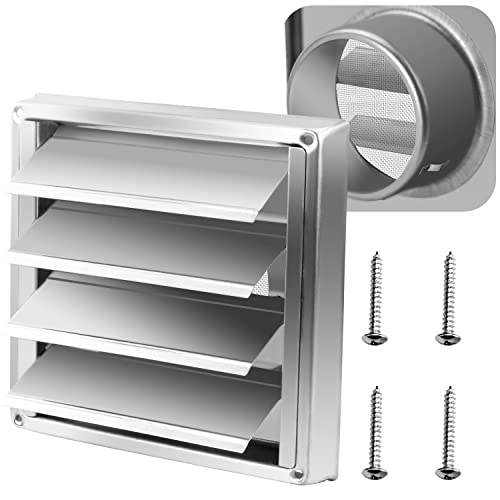
This 4″ exterior vent cover uses a 304 stainless steel construction with a stainless mesh screen and a self-closing shutter. The louvers are designed to maximize exhaust airflow while preventing rodents, birds, and insects from entering. The included installation screws facilitate mounting, and the exterior dimensions are suitable for standard 4″ vent outlets. The cover’s rust resistance and weatherproofing support durability in varied climates, making it a reliable exterior venting option.
Buying Guide: Key Purchase Considerations
When choosing a heavy metal vent for a dryer, buyers should assess several factors to ensure safe, efficient operation and long-term durability:
- Material and corrosion resistance: Stainless steel and aluminum offer superior resistance to rust and weathering compared to basic galvanized steel or plastics. For exterior vent covers, stainless steel finishes provide better long-term performance in humid or salty coastal environments.
- Fire safety and airflow: Fire resistance of ducts or hoses is essential, especially for flexible ducts. Look for listed or rated materials designed for high-heat exhaust and minimal flame spread. Adequate duct sizing and absence of kinks help maintain dryer efficiency and reduce lint buildup.
- Installation simplicity: Snap-lock systems, pre-drilled holes, and straightforward mounting hardware reduce installation time and errors. Consider whether you need a thru-wall hood, a rigid pipe segment, or a flexible duct depending on your space constraints.
- Airflow path integrity: Exterior vent covers with tight seals prevent backdrafts and drafts that waste energy. Self-closing louvers prevent pests and drafts from entering the home while allowing sufficient airflow when the dryer is running.
- Maintenance and cleaning: Components that are easy to access for lint removal contribute to safer operation. Exterior covers with removable mesh screens can simplify cleaning, while interior ducts should be checked for lint accumulation regularly.
- Local climate and pests: In areas with frequent snowfall, wind-driven rain, or rodent presence, choose vent components designed to withstand weather and deter intruders. Foam gaskets and weatherproof coatings help reduce noise and improve sealing.
Comparative Perspectives
Rigid metal pipes provide the best airflow stability and minimal lint buildup but may require more precise measurements and fittings. Flexible ducts, like ArmorFlex, offer installation versatility in tight spaces but require careful handling to avoid kinks. Exterior vent covers protect the opening from weather and pests, while keeping exhaust vents clear. Weighing these trade-offs enables you to tailor a system to your home layout, climate, and maintenance preferences.
Installation Tips And Best Practices
- Measure accurately: Confirm duct diameter and wall thickness before purchasing vent covers or piping.
- Seal connections: Use high-quality foil tape or manufacturer-recommended sealants to minimize air leaks.
- Keep vents clean: Regularly inspect both interior ducts and exterior covers for lint buildup and debris.
- Choose appropriate hardware: Use stainless steel screws and corrosion-resistant fasteners for outdoor components.
- Prioritize safety: Ensure electrical connections and dryer vent routing comply with local building codes and manufacturer guidelines.