
Best Copper Crimp Connectors for Electrical Projects: Durable, Secure Wiring Solutions
Answering your search for reliable copper crimp connectors, this guide spotlights five solid options for 18-10 AWG copper wire. These connectors are best for residential wiring, small motor projects, and DIY electrical work where a permanent, vibration-resistant bond is needed. The top picks are suitable for solid and stranded copper wire and emphasize permanent copper-to-copper connections, durability, and ease of use. Read on to compare each product’s strengths and decide which is best for your specific project needs.
| Product | Best For | Key Benefit |
|---|---|---|
| LikeLion 100 Pcs Easy-Twist Copper Crimp Sleeve | General wiring, DIY projects | Bulk pack with versatile 18-10 AWG range |
| Gardner Bender 10-310C | Residential and light commercial | Permanent copper-to-copper connections |
| ZTTM Copper Crimp Sleeve | Pro projects, multiple wires | Easy-twist copper sleeves, durable |
| Gardner Bender 10-311C | Home wiring, audio/AV setups | Broad gauge compatibility, durable copper |
| Neowah 200 Pcs Easy-Twist Sleeves | Frequent projects, shop use | Large pack size for ongoing work |
LikeLion 100 Pcs Easy-Twist Copper Crimp Sleeve
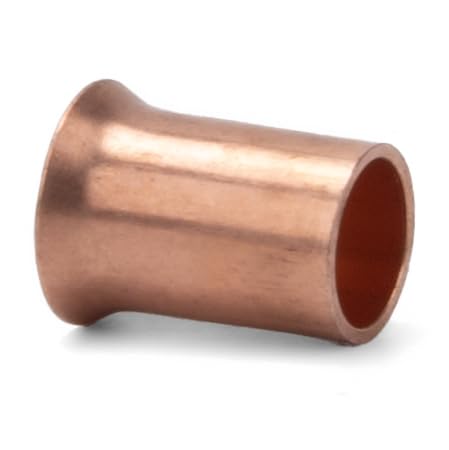
Best for: DIY enthusiasts and early-career electricians who need a ready supply for common 18-10 AWG wire work. The 100-pack format supports multiple projects without frequent restocking, and the copper construction provides good conductivity for typical branch circuits.
Why chosen: These copper crimp sleeves use a pressure crimp to create a vibration-resistant, permanent connection, which benefits projects with moderate movement or long-term reliability demands. The 18-10 AWG range covers most general-purpose copper conductors.
Limitations: The data suggests suitability for branch circuits and small motors, but users should verify crimp tool compatibility and ensure proper technique to avoid poor terminations under heavy vibration.
Gardner Bender 10-310C Electrical Crimp Connector

Best for: projects requiring reliable connections across a wide wire range in residential and light commercial settings. The 18-10 AWG compatibility mirrors common household wiring needs.
Why chosen: This connector is designed specifically for copper-to-copper terminations, offering a long-term bond that professionals and DIYers can trust for stable electrical terminations. Copper construction supports strong conductivity for everyday circuits.
Caution: The kit’s value hinges on proper crimping technique; improper compression can lead to marginal connections in high-load scenarios.
ZTTM Copper Crimp Sleeve Wire Connectors

Best for: projects needing flexible sleeve connections for 18-10 AWG copper wire, with a focus on reliable, durable joints.
Why chosen: The copper sleeves are described as easy-twist and durable, with a straightforward 18-10 AWG compatibility that aligns with common electrical tasks. The pack size is convenient for ongoing work.
Limitation: While convenient for many tasks, verify that the twist-crimp method matches your tool setup to ensure consistent termination quality across all sleeves.
Gardner Bender 10-311C Electrical Crimp Connector

Best for: versatile wiring projects that may operate across residential and light commercial environments, especially where 14-8 AWG compatibility is beneficial.
Why chosen: This connector supports a broad wire range and emphasizes a permanent copper-to-copper bond, which is essential for longevity in electrical terminations. The copper construction enhances conductivity for reliable performance.
Limitations: With a 50-pack, stock management matters for larger installations; plan purchases to avoid shortages during busy project periods.
Neowah 200 Pcs Easy-Twist Copper Crimp Sleeve

Best for: frequent projects in a workshop or job site where a large supply of sleeves is advantageous. The 200-piece kit minimizes reorders during busy periods.
Why chosen: The 18-10 AWG compatibility and pressure crimp design deliver a permanent, vibration-resistant connection suitable for branch circuit and motor wiring, matching common electrical tasks.
Limitation: The larger pack may be excess for small, occasional projects; ensure storage capacity and organize sleeves to prevent loss or misplacement.
Buying Guide: Copper Crimp Connectors for Electrical Work
- Wire compatibility: Look for 18-10 AWG matching both solid and stranded copper wires. This range covers most residential circuits and small motors.
- Connection type: Pressure crimp designs offer permanent bonds that resist vibration. Ensure your tool set is compatible with the crimp style.
- Material quality: Copper connectors provide good conductivity and durability. Avoid coated or alloyed variants if maximum conductivity is essential.
- Pack size: Choose a pack size that fits your project volume. Bulk packs reduce reordering but require adequate storage.
- Application suitability: For branch circuits and low-to-mid load devices, these connectors work well. For high-stress or automotive uses, verify rating and standards.
- Installation tips: Clean wire ends, twist (if applicable), and use the correct crimp tool to achieve a secure termination. Poor crimping can lead to high resistance and failures.
Frequently Asked Questions
- What wire sizes do these copper crimp sleeves accommodate? Most listed products support 18-10 AWG solid and stranded copper wire.
- Are these connectors suitable for outdoor use? They are generally intended for indoor wiring; check product specifications for environmental resistance and insulation requirements.
- Do I need a special crimping tool? Yes, use a compatible crimping tool designed for copper crimp sleeves to ensure a secure, repeatable termination.
- Can I mix brands on a single project? Mixing is possible but test connections for rate of contact and conductivity; maintain consistent sleeve type within a circuit.
- Are these connectors permanent? The listed designs emphasize permanent copper-to-copper bonds, which are intended for long-term connections.
- How many sleeves should I buy for a project? Estimate based on wire length, the number of terminations, and whether you’ll reuse a spare sleeve for future maintenance.