
Best 24 Volt SLA Battery Options for Ride-on Toys and UPS
Answering the common buyer question: if you need a 24-volt setup, look for batteries that deliver reliable power, safety, and easy installation. This guide compares five popular options aligned with 24V applications, including ride-on toys and UPS backups. Ideal buyers include parents seeking safer kids’ batteries, DIY enthusiasts upgrading power packs, and small business owners choosing maintenance-free options. The table below summarizes key picks and who they’re best for.
| Product | Voltage / Type | Best For |
|---|---|---|
| ExpertPower EXP1290 (2 Pack) 12V 9Ah | 12V SLA / AGM | Kids’ ride-on toys and UPS replacements |
| ExpertPower 12V 7Ah (Pack of 2) | 12V SLA / AGM | Alarm systems and small devices needing reliable 12V |
| Noczeaulia 24V 5.2Ah Li‑ion | 24V Lithium | Lightweight 24V DIY projects and lightweight ride-ons |
| SEFEPODER 24V 9Ah LiFePO4 | 24V LiFePO4 | Long-life 24V power for toys and UPS under 600W |
| SEFEPODER 24V 9Ah LiFePO4 (2 Pack) | 24V LiFePO4 | Extended capacity setups and parallel configurations |
ExpertPower EXP1290 12V 9Ah SLA Battery
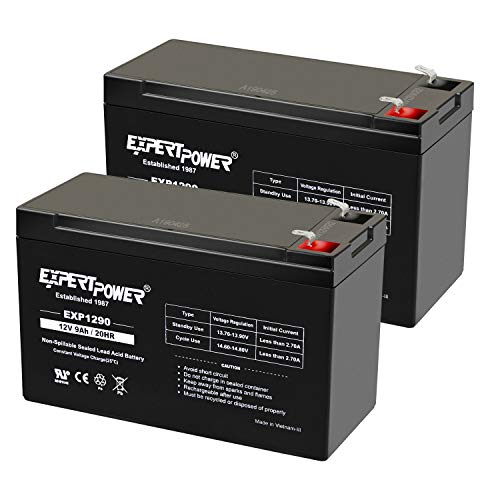
Best for: Kids’ ride-on cars and UPS replacements where a maintenance-free 12V option is needed. This model uses a spill-proof AGM design with a reliable 12V output suitable for backup power or toy vehicles. The F2 terminals support straightforward installation where space and fit are similar to common 12V packs. Choose this if you require a proven, maintenance-free 12V battery that can slot into existing 12V systems without special tools. A potential limitation is that it is not a 24V unit, so it should be paired with a 24V solution when 24V is required.
ExpertPower 12V 7Ah SLA Battery (Pack of 2)
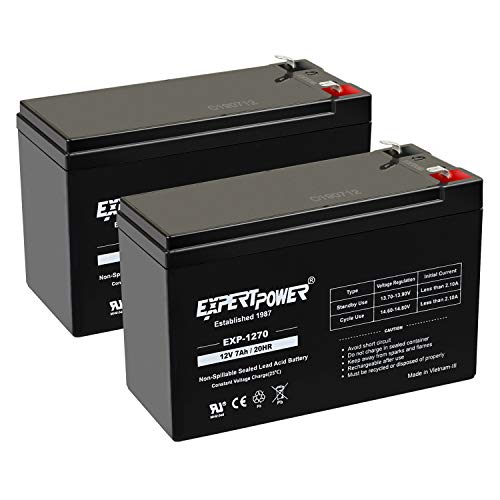
Best for: Alarm systems, small UPS units, and ride-on car replacements that need a compact, reliable 12V option fits standard F1 terminals. It provides maintenance-free operation and consistent voltage output. The product notes emphasize easy swap-in installation and compatibility with typical 12V systems. Use this when prior 12V packs are standard and F1 terminals match your setup. Limitation: it remains a 12V solution—not suitable for 24V systems without an appropriate series arrangement.
Noczeaulia 24V 5.2Ah Li‑Ion Battery
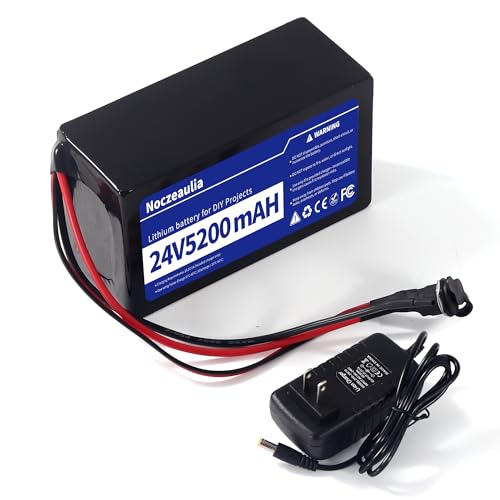
Best for: Lightweight 24V projects and quick replacements for 24V ride-on toys or DIY gadgets. This compact Li‑ion pack includes a 25.2V charger and an Anderson plug for easy connections. It boasts light weight and portable form factors, making it suitable for users who need a 24V option without the weight of lead-acid packs. Limitation: it is not a lead-acid SLA, so it may require different charging considerations and compatibility checks with some older 24V systems.
SEFEPODER 24V 9Ah LiFePO4 Battery
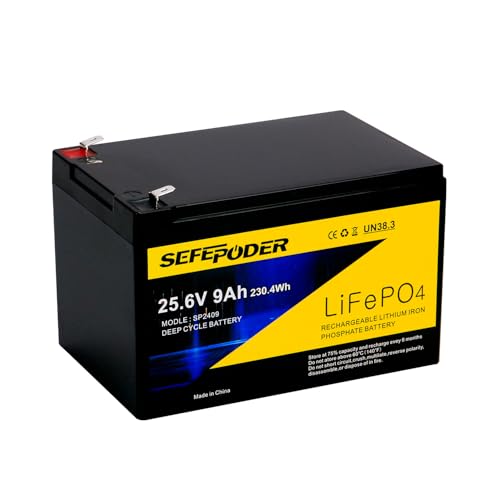
Best for: Longer-life 24V power needs with high safety margins in 24V ride-ons or lighting and UPS under 600W. LiFePO4 cells deliver thousands of cycles, lighter weight than lead-acid, and come with built-in BMS protection. This choice is well-suited for users prioritizing durability and safety, especially in environments with frequent charging. Limitation: LiFePO4 chemistry has different charging profiles; ensure your charger is compatible and that the battery can be connected within recommended series/parallel configurations.
SEFEPODER 24V 9Ah LiFePO4 Dual Pack
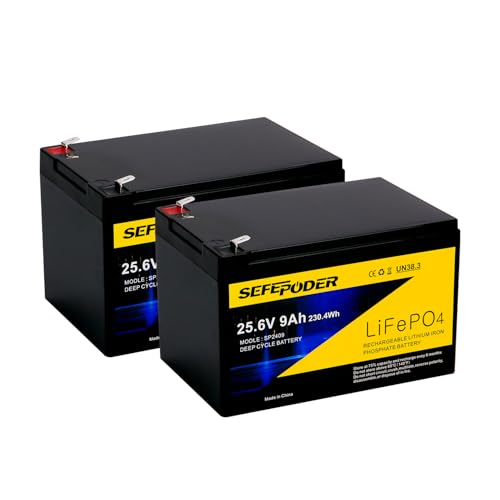
Best for: Systems needing extended capacity and optional parallel configurations for higher current delivery. The two-pack offers flexibility to upgrade total capacity by connecting in parallel. This option suits more demanding 24V setups or applications requiring longer run times. Caution: ensure your system supports parallel LiFePO4 packs and that the BMS provides balanced charging and discharging protections across both units.
Buying Guide
What should you consider when choosing a 24V battery setup?
- Voltage and chemistry: SLA (sealed lead-acid) vs LiFePO4 vs Li-ion; SLA remains heavier but proven in many UPS and alarm systems, while LiFePO4 offers longer life and lighter weight for 24V builds.
- Capacity and run time: match amp-hour (Ah) rating to expected usage. Higher Ah means longer run time but more weight and size.
- Physical fit: check dimensions and terminal types (F1, F2, or Anderson plugs). Ensure your device accepts the exact fit to avoid adapters.
- Charger compatibility: verify the charger’s voltage and charging profile for the battery chemistry to prevent overcharging or undercharging.
- Weight considerations: lithium options are typically lighter, which benefits portability in 24V applications.
- Durability and safety features: built-in BMS protection for LiFePO4 helps prevent overcharge, overdischarge, and short circuits. AGM and SLA batteries are generally sealed but may require ventilation considerations in certain setups.
- Installation and maintenance: identify whether the battery is maintenance-free (common with AGM/LiFePO4) and whether tools are required for replacement.
Practical buying tips
- For ride-on toys: prioritize weight, compatibility with your vehicle’s power system, and a stable voltage output. LiFePO4 models offer longer life for frequent use.
- For UPS and alarm systems: prefer SLA or AGM batteries with spill-proof designs and proven reliability in stand-by operation.
- For DIY projects: consider Li-ion or LiFePO4 when weight and cycle life are critical, but ensure you have a compatible charger and BMS.
Quick comparison by need
- Best overall for ride-ons needing 24V capability: SEFEPODER 24V LiFePO4 options for long life and safety.
- Best lightweight option for 24V projects: Noczeaulia 24V Li-ion battery.
- Best value for alarm and small UPS: ExpertPower 12V SLA options appear as reliable substitutes when 24V is unnecessary or can be configured in series.
Short FAQ
- What is the difference between SLA and LiFePO4 for 24V setups? SLA is heavier and typically cheaper upfront; LiFePO4 offers longer life, lighter weight, and better safety margins.
- Can I use a 12V battery in a 24V toy? No. A 24V system requires a 24V battery or a compatible configuration (such as two 12V packs in series) with proper compatibility.
- Do LiFePO4 packs require special chargers? Yes. Use a charger designed for LiFePO4 chemistry and compatible with your BMS.
- Are Li-ion batteries safe for kids’ toys? Modern Li-ion options with proper BMS and enclosure are generally safe, but always follow manufacturer guidelines and age-appropriate use.
- Is parallel connection allowed for LiFePO4 packs? When designed for parallel use and with proper BMS balance, yes; always verify product instructions.
- Which battery is best for UPS backup in a small office? SLA or AGM options are common for reliability and ready availability; ensure capacity meets your standby time needs.