
Best RV Window Air Conditioners for Compact Comfort on the Road
Finding the right window AC unit for an RV means balancing cooling power, noise, and installation practicality. This guide reviews five top options that fit RV window openings, deliver dependable climate control, and align with typical mobile living constraints. Each product below includes core specs and notable features to help you compare performance, energy use, and ease of use on long trips.
| Brand | Model / BTU | Notes |
|---|---|---|
| Ivation | 6,500 BTU | Over-the-sill design; quiet operation; 3-in-1 cooling, dehumidifying, ventilating |
| TOSOT | 16,000 BTU | GoCool with heat pump; WiFi control; suitable for larger RV spaces |
| BLACK+DECKER | 8,000 BTU | Remote, multiple modes; good for mid-sized rooms |
| Amazon Basics | 6,000 BTU | Two-in-one cooling and fan; easy maintenance |
| BLACK+DECKER | 10,000 BTU | Higher cooling capacity; suitable for larger RVs or hotter climates |
Ivation 6,500 BTU Camper AC: Quiet Over-The-Sill Unit
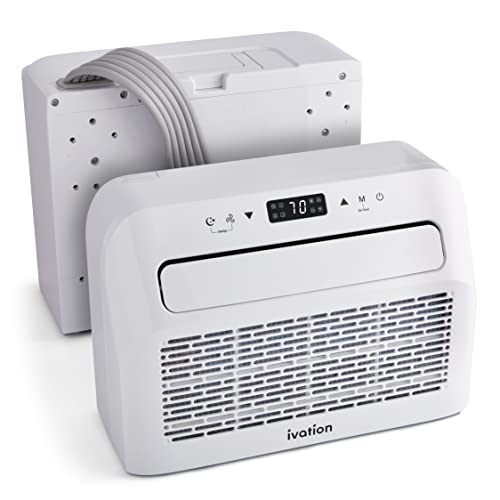
The Ivation 6,500 BTU unit is designed specifically for RVs and campers, combining cooling, dehumidification, and ventilation in a compact package. Its over-the-sill installation preserves window functionality and natural light, which is valuable for small living spaces. The saddle-mount design reduces noise and vibration, with shockproof dampers to ensure a quieter operation—an important factor in mobile living while maintaining a stable climate inside a motorhome, caravan, or converted van. The digital display covers temperature, timer, and sleep mode, with a flexible temperature range from 60°F to 86°F. This model emphasizes a balance between practical installation and steady performance in variable travel environments.
Key aspects include a split design that keeps the compressor outside the living area, preserving window views and minimizing interior heat generation. If you’re dealing with fluctuating outdoor conditions, this model can help maintain a comfortable interior climate without dominating the RV’s electrical load. The unit’s multi-function controls allow quick adjustments to fan speed, swing, and mode, which is useful when you’re navigating varying climates on the road.
TOSOT 16000 BTU GoCool RV AC With Heat Pump

The TOSOT GoCool 16,000 BTU RV air conditioner is built for larger RVs and trailers, offering both cooling and heating via a built-in heat pump. Its 16,000 BTU cooling capacity covers spaces up to about 600 square feet, which makes it suitable for longer rigs or warmer climates. The unit also supports smart WiFi control through the Gree+ app, enabling remote temperature management and monitoring from a smartphone. This flexibility is advantageous for travelers who want to adjust comfort settings without returning to the RV to use a traditional thermostat.
Flexible operation is highlighted by a wide outdoor-operating temperature range, functioning reliably in outdoor temps from 23°F to 115°F and indoor temps from 61°F to 86°F. This broad range helps maintain comfort across seasons and varying climate conditions encountered during trips. The GoCool system integrates seamlessly with non-ducted RV configurations, offering dependable performance when you need both cooling and warmth in one unit.
BLACK+DECKER 8000 BTU Window AC
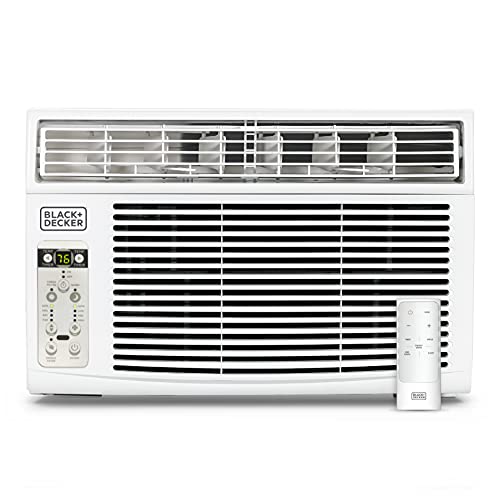
The BLACK+DECKER 8,000 BTU window air conditioner is a solid choice for mid-sized RV spaces, offering four cooling levels plus a fan-only option. With coverage suitable for rooms up to about 350 square feet, it supports comfortable conditions in many standard RV layouts. The unit includes a full-feature remote control with sleep mode, energy saver, and a 24-hour timer, enabling you to tailor operation to your schedule and energy constraints while you’re on the road. Its design emphasizes straightforward installation and reliable cooling performance for average RV living spaces.
Performance can be tuned via multiple modes and adjustable airflow, making it versatile for variable climates. Remote access and a compact footprint help RV owners balance comfort with power usage, especially when generators or auxiliary power sources are limited. This model is particularly useful for travelers seeking a dependable, easy-to-use option that doesn’t require extensive setup.
Amazon Basics 6000-BTU Window AC

The Amazon Basics 6,000 BTU window unit provides efficient cooling for RV spaces up to roughly 250 square feet. It offers a two-in-one mode with cooling and a fan option, plus an easy-to-clean, washable filter to help maintain indoor air quality during travel. With 7 precise temperature settings and dual-speed cooling plus fan modes, this model supports a customized comfort level without excessive energy use. The adjustable window kit and digital display add to straightforward installation and operation, making it suitable for more compact RV layouts.
For travelers who prioritize simplicity and reliability, the Amazon Basics 6,000 BTU unit emphasizes predictable performance with practical maintenance features. The combination of basic smart features and robust cooling makes it a sensible option for many standard RV configurations, especially when space constraints limit larger installations.
BLACK+DECKER 10,000 BTU Window AC

The 10,000 BTU BLACK+DECKER unit targets larger RV interiors or hotter climates, delivering broader coverage for rooms up to about 450 square feet. It includes a full-feature remote control, sleep mode, energy saver, and a 24-hour timer to optimize cooling while conserving energy. This model is well-suited for longer trips where higher cooling capacity is needed to maintain comfortable conditions in larger or more sun-exposed RV layouts. The balance of power and control makes it a compelling option for demanding environments on the road.
As an RV-oriented option, it’s important to consider electrical demands and power availability when choosing a higher BTU unit. This model provides robust cooling without sacrificing control, making it a practical option for those who routinely camp in warmer locations or with multiple occupants. It pairs well with energy management strategies to keep comfort predictable without overloading power resources.
Buying Guide: Key Purchase Considerations for RV Window AC Units
Choosing the right RV window air conditioner involves weighing several factors beyond raw BTU. Consider the following perspectives to ensure a balanced, practical choice:
- RV size and layout: Match BTU to the interior square footage and ceiling height. Overpowered units waste energy and may strain power supplies, while undersized units struggle to cool hot days.
- Power supply and energy use: Assess whether you’ll run the unit on a generator, shore power, or battery-assisted systems. Look for energy-saving modes and smart features that help optimize consumption during extended trips.
- Installation compatibility: Over-the-sill vs. rooftop or through-window setups affect daylight, ventilation, and exterior aesthetics. Ensure the chosen unit fits your RV window or wall opening and that you can secure it safely during travel.
- Noise and comfort: Noise levels matter in compact living areas. Units with vibration dampers or optimized airflow tend to be quieter, enhancing comfort in small cabins and bedrooms.
- Climate versatility: Consider whether you need heating in addition to cooling. RVs in varied climates can benefit from heat pump capabilities or reliable cold-weather performance.
- Maintenance and filters: Washable or replaceable filters simplify upkeep and help maintain indoor air quality. Accessible maintenance reduces downtime during trips.
- Warranty and support: A solid warranty can mitigate repair costs on the road. Check what’s covered and the availability of service centers.
- Remote control and smart features: Mobile app compatibility and remote operation can improve convenience when you’re inside or away from the RV.
When evaluating options, compare the units’ installation footprint, support for variable outdoor temperatures, and how easily you can integrate the unit with your RV’s electrical system. Prioritize models that offer a balance of cooling power, noise control, and ease of use. For extended trips in diverse conditions, a unit with flexible operation and a robust thermostat is often the most reliable choice.