
Best Thermostatically Controlled Heat Tape for Pipes: Freeze Protection Guide
If you need reliable freeze protection for residential pipes, thermostatically controlled heat tape is a practical solution. This guide identifies five top options and explains who each product is best for, based on built-in thermostats, energy efficiency, and installation considerations. Ideal buyers include homeowners in freezing climates, RV owners, and anyone seeking automatic temperature control to prevent pipe bursts. Below is a quick summary to compare the selections before diving into detailed profiles.
| Product | Best For | Key Benefit |
|---|---|---|
| MAXKOSKO 30ft Self Regulating Heat Tape | Homes with metal or plastic pipes needing reliable protection to -40°F | Self-regulating with thermostat; long 30 ft length |
| FANOVO Pipe Heat Cable | Energy-conscious users needing automatic cycling | Intelligent temperature control; stops heating at higher temps |
| 12FT Self-Regulating Pipe Heating Cable | Medium-length runs; budget-conscious maintenance | Built-in thermostat; good balance of length and cost |
| SZFY 3FT Heat Tape | Short, targeted protection; fast response to cold snaps | High heating efficiency; compact and sturdy |
| Cupohus 6FT Heat Tape | Hose or small-diameter pipe applications | Thermostat control; GFCI-safe operation and leak prevention |
MAXKOSKO 30ft Self Regulating Heat Tape
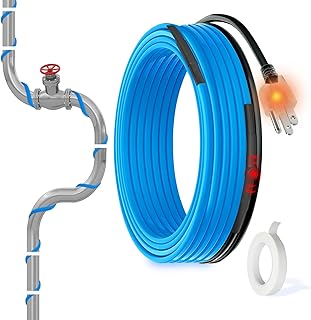
Best for long pipe runs in steel or plastic pipelines. The MAXKOSKO model provides self-regulating heating with a thermostat that helps prevent overheating and reduces energy waste. Suitable for exterior and interior pipe protection in freezing climates. Limitations include installation length and connection considerations for complex layouts.
FANOVO Pipe Heat Cable With Thermostat

Best for energy-conscious homeowners who want automatic cycling based on detected water temperature. FANOVO integrates intelligent temperature control that starts heating when water falls below 41°F and stops once it rises above 59°F. The design emphasizes energy savings and targeted heating. A possible limitation is that it relies on ambient temperature cues, which may require careful placement for maximum effectiveness.
12FT Self-Regulating Pipe Heating Cable

Best for mid-length runs where built-in thermostat simplifies installation. The 12-foot model provides 5W per foot and an integrated thermostat that turns on at 37°F and off at 55°F, aiming to maintain pipe temperatures without continuous operation. Choose this if you want straightforward setup and consistent protection against freezing in typical indoor/outdoor pipe layouts.
SZFY 3FT Heat Tape For Pipes

Best for compact, high-efficiency protection on short pipe sections. SZFY markets ultra-high heating efficiency and a thick copper core for faster response and strong heat conduction. Suitable for quick fixes and small diameter pipes. Limitation: shorter length may require multiple segments for longer runs, increasing installation steps.
Cupohus 6FT Heat Tape With Thermostat

Best for hoses or small-diameter pipes requiring reliable freeze protection. Cupohus uses a thermostat to maintain water flow by heating when below 41°F and stopping at 59°F. It also emphasizes safety with 120V operation and built-in protection against water seepage. Caution: ensure compatible GFCI outlets and correct voltage wiring for outdoor use.
Buying Guide
What should I look for in thermostatically controlled heat tape?
Key factors include length, wattage per foot, integrated thermostat range, and compatibility with pipe material. Longer tapes cover more area but require careful routing. Higher wattage per foot provides faster response but may consume more energy. Built-in thermostats help automate heating and reduce waste.
Which type of pipe do I need to protect?
Most tapes work with metal and plastic pipes, but some models specify compatibility with hoses or roof lines. For outdoor use, consider weather resistance and insulation needs. Small-diameter pipes or hoses may benefit from shorter segments with focused heat.
What installation considerations matter?
Follow manufacturer instructions for securing the tape, avoiding overlapping, and ensuring proper insulation. Some products include extra tape or mounting accessories. Install in areas where the temperature is expected to drop severely, and avoid placement near flammable materials.
Is energy efficiency important?
Yes. Thermostatic control reduces electricity use by turning heating on only when needed. Models with a clear turn-on/turn-off range (e.g., 37°F to 55°F) generally provide better energy savings without sacrificing protection.
Safety and compatibility
Check for ground fault circuit interrupter (GFCI) compatibility when using outdoors or in damp environments. Ensure the operating voltage matches your home’s electrical system. Verify that the tape is rated for the intended climate and installation surface.
What about installation length and maintenance?
Longer runs require planning for power supply and potential junctions. Periodically inspect the tape for wear, moisture intrusion, and signs of overheating. Replace if insulation is damaged or performance declines.
FAQ
- Do these tapes work in extremely cold temperatures? Yes, most models are designed to protect pipes down to -40°F or similar conditions, depending on the model and installation.
- Will thermostatic heat tape waste energy? Thermostatic or self-regulating tapes adjust heat output, reducing energy use compared with constant-heating options.
- Can I install heat tape on hoses or RV pipes? Some models are suitable for hoses and RV applications; verify the product description for compatibility.
- Is external protection needed? For outdoor installations, use weatherproof housing or insulation as recommended and ensure a GFCI outlet for safety.
- How do I choose the right length? Choose length to cover exposed pipe run with some extra margin for corners and bends, avoiding excessive overlap.
- What maintenance is required? Regularly inspect for wear, moisture intrusion, and ensure connections remain secure and dry.