
Best Thermostat for Hydronic Baseboard Heaters: Efficient Comfort and Control
Hydronic and electric baseboard heaters benefit from smart thermostats that precisely manage temperature, save energy, and integrate with smart homes. The following selections focus on line voltage and high-voltage options compatible with hydronic and baseboard systems, offering features like Wi-Fi control, scheduling, and energy monitoring. The list emphasizes reliability, compatibility, and ease of installation to help you choose the right thermostat for your heating setup.
| Product | Brand | Voltage Range | Key Benefit |
|---|---|---|---|
| Mysa Smart Thermostat LITE | Mysa | 120V/240V | Wi‑Fi, HomeKit, Alexa, Google, energy savings |
| Mysa Smart Thermostat 240V | Mysa | 240V | Remote control with free app, high‑voltage compatibility |
| Cadet EBKNW Softheat On‑Board Thermostat | Cadet | Hydronic baseboards | Hard‑wired built‑in control for hydronic systems |
| Cadet F Series Built‑In Thermostat Kit (BTF1W / BTF2W) | Cadet | 240/208/120 Volt | Easy end‑mount installation for baseboard heaters |
| Honeywell Home RLV4305A1000 | Honeywell | Electric baseboard systems | 5‑2 day programmable with accurate control |
Mysa Smart Thermostat LITE for Line Voltage Heaters
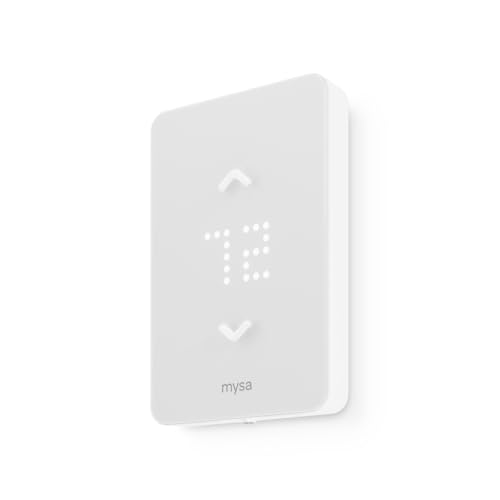
The Mysa LITE is designed for line voltage electric baseboard heaters, fan‑forced heaters, wall heaters, and convectors operating at 120V or 240V. It enables Wi‑Fi connectivity and supports popular ecosystems, including HomeKit, Alexa, and Google Home. Features include customizable daily schedules to reduce usage when away, and an energy‑savvy approach to maintain comfort when you are home. No subscription is required; all features are included in the free app, which remains free forever. This model suits users seeking a straightforward install with strong app integration and reliable remote control.
Mysa Smart Thermostat 240V For Electric Baseboards

This 240V Mysa model is tailored for high‑voltage installations and supports loads up to 3800W at 240V, with four wires including a neutral or second live wire for proper operation. Its 40% smaller size and adaptive display technology offer an unobtrusive profile and improved visibility. The thermostat supports HomeKit, Alexa, and Google, providing flexible control, remote scheduling, and energy insights. Prior to purchase, verify that your older or two‑wire baseboard setup is compatible, as this unit requires a four‑wire configuration for optimal performance.
Cadet EBKNW Softheat On‑Board Thermostat

The EBKNW on‑board thermostat provides direct control for Cadet SoftHEAT hydronic baseboards. It includes a built‑in off position for safety and convenience and uses a non‑programmable mechanical interface with a simple dial. Designed to mount at the end where power is routed, this option minimizes wiring complexity while delivering reliable regulation for hydronic systems. It’s an ideal choice for those seeking a straightforward, mechanical control solution integrated with Cadet SoftHEAT components.
Cadet F Series Built‑In Thermostat Kit (BTF2W)

The Cadet F Series BTF2W kit is designed for Cadet baseboard heaters and provides easy installation with a large, user‑friendly dial for straightforward temperature adjustments. It mounts to either end of the Cadet heater, reducing the need for extra wiring. This built‑in solution fits Cadet hydronic or electric baseboard configurations and is suitable for applications requiring reliable, simple thermostat control without extensive retrofitting.
Honeywell Home RLV4305A1000 5‑2 Day Programmable Thermostat

The Honeywell RLV4305A1000 offers a digital 5‑2 day programmable schedule for electric baseboard heaters and related systems. It emphasizes precise temperature control with an accuracy of approximately ±0.27 degrees Fahrenheit, and its TRIAC switching supports silent operation and steady performance. This model is a solid option for users who want reliable, programmable scheduling without smart home integration, suitable for mid‑range control needs and familiar Honeywell reliability.
Buying Guide: Key Purchase Considerations
- System compatibility: Confirm whether your baseboard setup is line voltage (120V/240V) or a hydronic soft‑heat system. Choose a thermostat designed for the specific voltage and wiring configuration (four‑wire with neutral or extra live for high voltage, or built‑in for hydronic Cadet SoftHEAT).
- Wiring requirements: Some high‑voltage thermostats require four wires (two hots, a neutral, and a ground). If you have an older two‑wire baseboard system, options like built‑in Cadet models or compatible high‑voltage units should be considered, or you may need an upgrade to wiring.
- Control and connectivity: Decide between smart, connected thermostats (Wi‑Fi, app control, voice assistants) and non‑smart programmable models. Smart options provide remote control, energy reports, and integration with HomeKit, Alexa, and Google Home, while non‑smart models focus on basic temperature regulation.
- Energy efficiency: Look for schedules, adaptive display or brightness features, and energy reporting to optimize heating usage. Some models advertise up to significant cost savings when used with sensible scheduling.
- Installation: Consider whether the thermostat is designed for easy end‑mount installation on existing Cadet baseboards or requires professional wiring for line‑voltage systems. Built‑in hydronic units offer straightforward installation for compatible radiators.
- Safety and reliability: Hydronic and high‑voltage systems benefit from thermostats with precise control and robust mechanical reliability. Built‑in safety features, such as off positions or fail‑safe behavior for hydronic kits, add peace of mind.
- Future‑proofing: If you plan to adopt a smart home ecosystem, prioritize thermostats with ongoing app support and compatibility with Apple HomeKit, Amazon Alexa, Google Home, or SmartThings to ensure long‑term usefulness.
When evaluating options for hydronic and baseboard heating, balancing compatibility, installation ease, and control features is essential. The products listed here represent a spectrum—from straightforward mechanical controls to fully integrated smart thermostats—that can help optimize comfort and energy usage across diverse installations.