
Best AC Condensate Float Switches for Preventing Overflow and Protecting Your HVAC System
Choosing the right condensate float switch helps guard against water damage, keeps HVAC systems running smoothly, and reduces the risk of costly interruptions. This guide highlights five reliable options that balance ease of installation, durability, and precise water-level sensing. Each product below is selected for typical residential and light commercial setups, offering different mounting styles, materials, and compatibility. Read on to compare features, installation notes, and performance considerations to find the best fit for your cooling system.
| Product | Brand | Key Benefit | Installation Style |
|---|---|---|---|
| SS2 AC Float Switch | Generic | High reliability, 3/4 inch adaptor | Inline condensate drain protection |
| Feekoon SS2 Float Switch | Feekoon | NC switch with clear wiring details | Inline with 3/4 inch adaptor |
| ACDelco Gold D8050 Engine Oil Pressure Switch | ACDelco | Premium aftermarket replacement (alternative sensor) | Inline electrical connection |
| UAC SW 10082C A/C Clutch Cycle Switch | UAC | OEM-style clutch cycling control | Inline sensor with M12-1.5 thread |
| Feekoon SS3 Float Switch | Feekoon | Additional condensate overflow protection | Clip-on pan mount |
SS2 AC Float Switch: Reliable Overflow Protection

The SS2 condensate overflow shut-off sensor is designed to detect a clogged condensate drain and automatically shut down the HVAC system to prevent water damage. It uses a 3/4 inch adaptor for straightforward installation and features a removable cap for easy cleaning. When water is not overflowing, the float stays at the bottom, allowing normal operation. The device is described as a durable, high-quality option suitable for both residential and industrial use, delivering dependable protection against leaks and floor damage.
Feekoon SS2 Float Switch With Easy Installation

The Feekoon SS2 Float Switch is designed to detect condensate overflow with an NC contact configuration. It connects to a VCC or thermostat line and uses a 3/4 inch adaptor with a 6-foot wire. The switch is normally closed when water is not present; rising water opens the circuit to turn the system off. It operates in a wide temperature range and supports relatively modest voltage and current ratings, making it suitable for standard HVAC condensate safety applications while enabling straightforward integration into existing control circuits.
ACDelco Gold D8050: Engine Sensor for Reliability
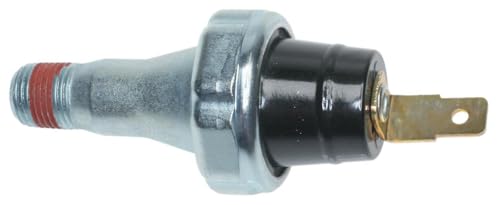
ACDelco’s Gold D8050 is a premium aftermarket sensor primarily marketed for engine oil pressure monitoring but often cited as a robust, high-reliability component for automotive and HVAC control circuits. The product emphasizes performance, dependability, and a proper fit for standard applications. While not a dedicated condensate float switch, its reputation for fit, form, and function makes it an option worth considering in mixed-control-system environments where a durable pressure/switch device is required. It is built to meet expectations for consistent operation under demanding conditions.
UAC SW 10082C A/C Clutch Cycle Switch

The UAC SW 10082C is presented as an OE replacement switch that helps manage clutch cycling for AC compressors. It’s described as premium ISO/TS 16949 quality and tested to meet OEM specifications, with a thread size of M12-1.5 for compatible connections. This option is positioned for reliability in maintaining proper compressor engagement cycles, which can indirectly support condensate management by ensuring stable refrigerant flow and system performance. The emphasis is on compatibility and performance under OEM-like standards.
Feekoon SS3 Float Switch for Added Drain Pan Protection

The SS3 Float Switch is designed to detect condensate overflow in HVAC systems and automatically shut down the unit if drainage becomes blocked. The installation is described as simple: clip the switch clamp to the pan and connect the wires to the system, ensuring the top of the float remains below the pan edge. This model provides an additional layer of protection in more demanding setups, reinforcing safety against ceiling and wall water damage while preserving equipment longevity.
Buying Guide: Key Considerations for Choosing an AC Condensate Float Switch
When selecting a condensate float switch, consider installation environment, electrical compatibility, and intended level of protection. For residential HVAC systems, inline mounting with a 3/4 inch adaptor is common, and NC (normally closed) configurations are straightforward for safety circuits. For harsher conditions, opt for corrosion-resistant materials such as stainless steel or high-grade PVC and reinforced brackets. Ensure the switch’s electrical ratings align with your control circuit voltage and current limits, and verify that the device can be easily cleaned and maintained to prevent sticking or false shutoffs.
Comparative perspectives include a simple, cost-effective SS2-type solution versus more robust, industrial-grade components. A compact clutch-switch approach (like the UAC part) may suit systems with integrated compressor control, while dual-switch options (SS2 and SS3) offer layered protection for primary and secondary drain pans. Additionally, consider whether you prefer a switch with an included mounting bracket, a wire length that matches your installation, and a clear path for future maintenance.
For system designers and installers, evaluate compatibility with your HVAC control logic. Some floats interact directly with power circuits, while others are designed to interface with thermostat or VCC lines. Always follow manufacturer wiring diagrams and local electrical codes. Finally, balance longevity and ease of replacement; choose switches with accessible parts and straightforward testing procedures to minimize downtime during service calls.