
Best Off-Grid Solar Panel Systems for Independence and Reliability
When choosing off-grid solar solutions, Americans often look for high-capacity kits that combine solar panels, inverters, and battery storage in a single package. The following selections focus on robust off-grid performance, easy setup, and scalable storage. Each option is designed to reduce grid dependency while keeping essential loads powered during outages or remote living. Below is a quick summary of five top picks, followed by detailed product sections and a practical buying guide.
Summary of chosen products:
— ECO-WORTHY Complete Off-Grid Solar Kit: 5000W, 24x195W panels, integrated batteries and a WiFi-enabled inverter
— ECO-WORTHY 9.36KWH 2400W Off-Grid System Kit: 12x195W panels, 5000W inverter, 4x100Ah batteries
— ECO-WORTHY 10000W Complete Off-Grid Solar Panel Kit: 9840W daily output capability, dual 5000W inverters
— ECO-WORTHY 5KW Off Grid Solar System Complete Kit: 12x195W panels, 5KW inverter, 100Ah battery bank
— ECO-WORTHY 200 Watt Starter Kit: 2x100W panels, 100Ah battery, compact inverter
ECO-WORTHY Complete Off-Grid Solar Kit

The ECO-WORTHY Complete Off-Grid Solar Kit is a turnkey solution designed for energy independence. It includes two 48V 100Ah LiFePO4 batteries with CAN/RS485 communication, a 5000W hybrid inverter with a 100A MPPT controller, and 24x195W monocrystalline panels. This system is scalable, allowing parallel operation of up to six inverters to reach 30kW AC output. WiFi-based monitoring enables real-time performance tracking and energy management, making it suitable for residential backup, remote cabins, or off-grid homes with substantial load requirements.
Key features include full off-grid capability, a high peak output of 10kW, and comprehensive safety protections. The design emphasizes advanced battery management and easy integration with mainstream solar inverters. With ample storage and robust expansion potential, it targets users seeking reliable, long-term independence from the grid.
Jackery Solar Generator 1000 V2 Family (Note: portable option)

While primarily a portable power station, the Jackery Solar Generator 1000 V2 demonstrates how modular off-grid systems can deliver peak reliability for camping, emergencies, and light off-grid living. This kit blends a 1,070Wh LiFePO4 battery with a 1,500W continuous AC output and a fast 1-hour recharge capability. It’s ideal for users needing a compact, high-quality energy source for intermittent off-grid use, rather than a full home-scale installation.
Notable strengths include rapid charging, strong 1.5kW continuous output, and a durable battery that supports thousands of cycles. Its app-based monitoring and safety features add convenience for users who prioritize portability and simplicity in off-grid scenarios.
Jackery Solar Generator 1000 V2 With 200W Panel Kit

This configuration expands the portable power approach with a 1,070Wh capacity and a robust 1,500W continuous output. The included 200W panel can accelerate charging in sunny conditions, making it a practical choice for off-grid enthusiasts who need reliable, compact power for RVs, camping, or emergency kits. The device’s durability and long battery life are central selling points for users who travel or live off-grid intermittently.
ECO-WORTHY 9.36KWH 2400W Off-Grid System Kit

This kit targets homeowners seeking substantial daily energy output with a simplified setup. It combines 12x195W monocrystalline panels with a 5000W inverter and four 100Ah LiFePO4 batteries, delivering an impressive daily yield of about 9.36kWh under optimal sun. The system emphasizes a plug-and-play design, reliable battery communication, and easy expansion via multiple batteries and mounting options, making it suitable for cabins, workshops, or off-grid homes that require steady daytime and nighttime power.
ECO-WORTHY 5KW Off Grid Solar System Complete Kit
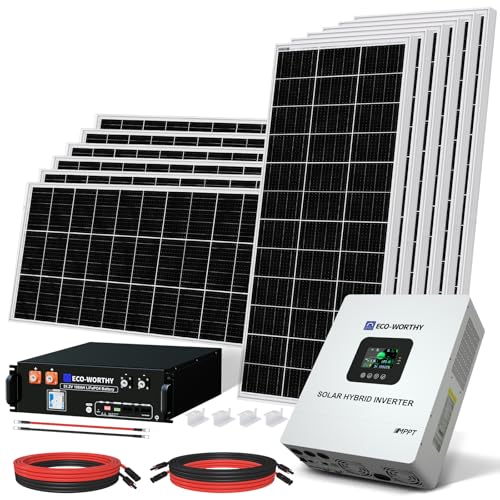
Designed for independent power without the grid, this kit uses 12x195W panels, a 5KW hybrid inverter, and a 51.2V 100Ah battery bank. The system is configured for simple wiring with a series connection of panels and batteries to create a straightforward, scalable off-grid solution. It supports parallel inverter operation to achieve higher voltages and offers multiple charging modes to ensure reliable energy availability for homes, cabins, or small farms.
ECO-WORTHY 10000W Complete Off-Grid Solar Panel Kit
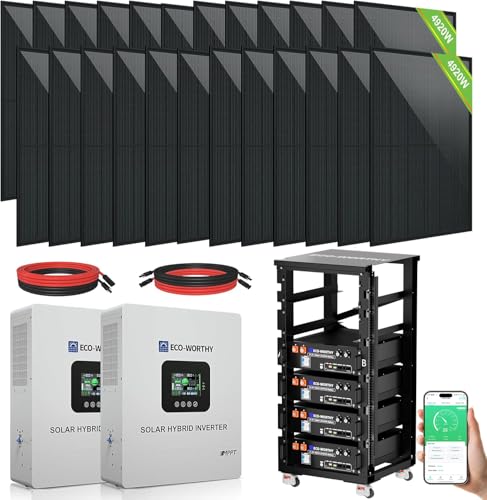
This high-capacity kit is engineered for serious off-grid living or backup power on larger properties. It includes dual 5000W inverters, a substantial battery bank, and a near-40kWh daily output profile under favorable sun, with 10kW of expandable solar inverter capacity and 48V battery architecture. The package is designed for both autonomy in remote locations and resilience during extended outages, with monitoring through a dedicated app for real-time status and optimization.
Buying Guide: Key Considerations For Off-Grid Solar Panel Systems
- Power needs: Evaluate daily energy usage and peak load to determine storage and inverter sizing. Heavy loads require larger inverters, more battery capacity, and robust wiring.
- Battery chemistry and lifecycle: LiFePO4 batteries offer longer lifespans and safer chemistry compared with traditional lead-acid, but upfront costs are higher. Consider BMS features, thermal management, and expansion potential.
- System expandability: Look for modular designs that allow adding inverters, batteries, or panels as needs grow, especially for seasonal or occupancy changes.
- Inverter topology: Hybrid inverters support both solar input and AC/grid charging, while pure off-grid inverters emphasize independent operation. Dual or parallel inverters can unlock higher capacities.
- Monitoring and control: WiFi or cellular monitoring helps track performance, battery status, and alerts. App-based control can optimize charging and load management.
- Durability and installation: Off-grid kits should withstand weather, dust, and heat. Check mounting hardware, panel ratings (IP, wind/snow loads), and cabinet integrity for batteries and inverters.
- Safety and certifications: Look for UL or equivalent standards, proper fusing, and protective enclosures. Battery safety features such as overcharge protection and short-circuit safeguards are essential.
- Cost of ownership: While upfront costs are a consideration, assess total cost of ownership, including potential expansion, maintenance, and replacement parts over time.
- Site and climate: Local sun exposure, shading, and seasonal variation influence system sizing and performance. A reputable installer can tailor a design to your latitude and weather patterns.
- Installation complexity: Some kits are plug-and-play, while others require professional wiring and electrical permits. Consider your comfort with DIY versus hiring skilled technicians.
In evaluating options, prioritize systems that offer clear scalability, strong safety features, and reliable monitoring. For off-grid living, a balance between battery capacity and solar input ensures consistent power delivery across seasons, while modular designs reduce future upgrade friction and total cost of ownership.