
Best Solar Panel and Generator Kit for Off-Grid Power
Leaning into reliable off-grid energy requires a smart mix of solar panels and portable generators. This guide reviews five top-performing solar generator kits and explains how to choose the right setup for camping, RV trips, and home backup. Each featured kit combines solar input with a capable power station, enabling flexible charging and versatile outputs for everyday devices and essential appliances.
| Product | Brand | Output | Battery | Notable Feature |
|---|---|---|---|---|
| ZeroKor Portable Solar Generator | ZeroKor | AC 110V, USB, DC | 280Wh | Includes 60W solar panel |
| OUPES Mega 1 Solar Generator Kit | OUPES | 2000W AC (4500W surge) | 1024Wh (expandable) | Fast charge to 80% in 36 min |
| Jackery Solar Generator 1000 v2 | Jackery | 1500W AC (3000W surge) | 1070Wh | Two 100W light panels included |
| OUPES Guardian 6000 Kit | OUPES | 120V/240V dual output | 4608Wh | Complete solar-to-home integration |
| Grecell 330W Kit | GRECELL | AC 110V (600W surge) | 230.88Wh | 40W panel included |
ZeroKor Portable Solar Generator With 60W Panel

The ZeroKor 300W portable power station combines a substantial battery with a foldable 60W solar panel for off-grid charging. It features two 110V/300W max AC outlets, a DC port, three USB ports, and a quick-charge USB port, making it a versatile option for camping, RVs, and outdoor events. A built-in flashlight with reading and SOS modes adds emergency visibility. While powerful, users should avoid high-wattage appliances like coffee makers or hair dryers that exceed the unit’s capability.
OUPES Mega 1 Solar Generator Kit

The OUPES Mega 1 delivers robust output (2000W continuous, 4500W surge) with a 1024Wh LiFePO4 battery expandable to 5120Wh. It supports fast charging (0-80% in about 36 minutes via AC) and can be controlled via an app. This kit is designed for RVs, weekend trips, and home backup, offering expandable capacity and reliable performance for higher-wattage devices while maintaining portability.
Jackery Solar Generator 1000 v2 Kit

Jackery’s 1000 v2 pairs a 1070Wh LiFePO4 battery with a 1500W continuous AC output and 2x100W light solar panels. The system emphasizes portability, weighing under 24 pounds for the power station and light, compact panels. It offers rapid charging and resilient weather performance, with the panels designed for all-black aesthetics and front-side sunlight absorption. Ideal for RVs, balconies, and camping where weight and ease of setup matter.
OUPES Guardian 6000 Solar Generator Kit
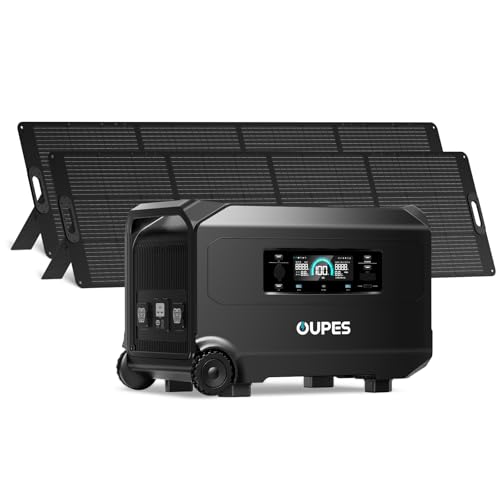
The Guardian 6000 kit is a complete solar power system featuring a 4608Wh power station and two 240W solar panels. It supports instant home integration with transfer switches or inlet boxes, enabling whole-house backup. The dual voltage output accommodates both 120V and 240V appliances, including refrigerators and small HVAC systems. This kit targets serious off-grid power needs and emergency preparedness for homes and cabins.
GRECELL 330W Portable Power Kit

The GRECELL kit combines a 230.88Wh battery with a 40W foldable solar panel to deliver 330W total capability (600W surge). It supports multi-device charging through a 110V AC outlet, USB-C PD, USB-A, and car port. This compact setup emphasizes portability and quick recharging, making it well-suited for campers who need reliable off-grid power without heavy gear.
Buying Guide: Key Considerations for Choosing a Solar Panel And Generator Kit
- Power needs and capacity: Assess the wattage of devices you plan to run. For light camping, smaller kits (1000–1700Wh) may suffice; for home backup, larger capacities (4600–4600Wh) provide longer run times.
- Output flexibility: Look for multi-output options (AC, USB-C, USB-A, DC) and whether pass-through charging is supported to run devices while charging the pack.
- Solar panel compatibility: Ensure the included panel wattage matches your charging expectations. Consider expandability with additional panels or batteries for higher off-grid capability.
- Battery chemistry and longevity: LiFePO4 cells offer longer life and safer chemistry for repeated cycles compared to some Li-ion variants.
- Charge speed: Fast AC charging (e.g., 0-80% in under an hour) reduces downtime. Check solar input efficiency and MPPT features for better daytime performance.
- Portability and weight: Heavier systems deliver more capacity but require planning for transport. Lightweight kits are ideal for frequent moves and limited space.
- Durability and weather resistance: For outdoor use, panels and enclosures should resist dust, water, and temperature extremes. IP ratings and rugged builds are worth reviewing.
- Integration with home backup: Some kits offer direct transfer switch or inlet box compatibility for seamless integration with home electrical systems during outages.
- Budget and lifecycle: Compare initial costs, replacement battery cycles, and warranty coverage to gauge long-term value.
- Scalability: If you anticipate needing more power later, choose systems that allow battery or panel expansions without replacing the entire unit.
Each listed kit serves distinct use cases—from compact, portable setups for camping and light off-grid living to robust systems designed for home backup. Evaluating your typical power needs, travel patterns, and space constraints will help determine which combination of panels, battery capacity, and outputs best fits your lifestyle.