
Best Solar Battery Lead Acid Guide: Top AGM Options for Off-Grid Power
Answering the question most buyers have: which lead-acid AGM battery is best for solar and off-grid use? This guide focuses on high-safety, maintenance-free AGMs that perform reliably in RVs, cabins, boats, and solar storage systems. The top picks are best for different needs—long storage and high discharge for off-grid cabins, compact options for small solar setups, and rechargeable, maintenance-free performance for RVs and boats. The following table highlights five suitable products with ideal uses to help you compare quickly:
| Product | Capacity | Best For | Approx. Size | Key Benefit |
|---|---|---|---|---|
| Weize 12V 100Ah AGM | 100Ah | RV, off-grid, solar storage | 12.99 × 6.73 × 8.43 in | Low self-discharge; maintenance-free |
| Renogy Deep Cycle AGM 100Ah | 100Ah | Off-grid, RV, camping | Standard 12V AGM size | High safety, reliable performance |
| Renogy Deep Cycle AGM 200Ah | 200Ah | Extended solar systems | Large 12V form factor | Low self-discharge; high capacity |
| Interstate DCM0035 35Ah | 35Ah | Compact backup, alarms, scooters | Small SLA size | Solid for light-load apps |
| ExpertPower 18Ah 12V | 18Ah | Small devices, UPS, alarms | Compact 12V size | Compact and versatile |
Weize Deep Cycle AGM 12V 100Ah Battery

- Brand: WEIZE
- Type: AGM sealed lead acid, maintenance-free
- Voltage: 12V; Capacity: 100Ah
- Max discharge current: 1150A; Low self-discharge
Best for: RVs, off-grid cabins, and solar storage where long storage with low maintenance is priority. Why: AGM design reduces leaks and allows longer storage than flooded batteries, with a low self-discharge rate. Limitation: Workplace temperatures outside the optimal range can affect performance and lifespan.
Renogy Deep Cycle AGM Battery 12V 100Ah

- Brand: Renogy
- Type: AGM sealed lead acid; Maintenance-free
- Voltage: 12V; Capacity: 100Ah
- Supports series and parallel connections; widely trusted
Best for: Off-grid systems and RVs needing reliable 100Ah power. Why: Renogy’s internal design emphasizes safety and stability, reducing troubleshooting. Limitation: Like other lead-acid chemistries, heavier than lithium options.
Renogy Deep Cycle AGM Battery 12V 200Ah

- Brand: Renogy
- Type: AGM sealed lead acid; Maintenance-free
- Voltage: 12V; Capacity: 200Ah
- Low self-discharge; safe charge compatibility
Best for: Deep-cycle solar arrays and larger off-grid installations needing extended runtime. Why: Higher capacity reduces frequent recharging cycles. Limitation: Larger footprint may require more mounting space.
Interstate Batteries 12V 35Ah SLA AGM Deep Cycle

- Brand: Interstate Batteries
- Type: SLA AGM deep cycle
- Voltage: 12V; Capacity: 35Ah
- Compact size with maintenance-free design
Best for: Small backup systems, alarms, scooters, or portable solar setups. Why: Small, reliable 12V option for limited-space installations. Limitation: Lower capacity means more frequent charging cycles for larger loads.
ExpertPower 12V 18Ah AGM Battery
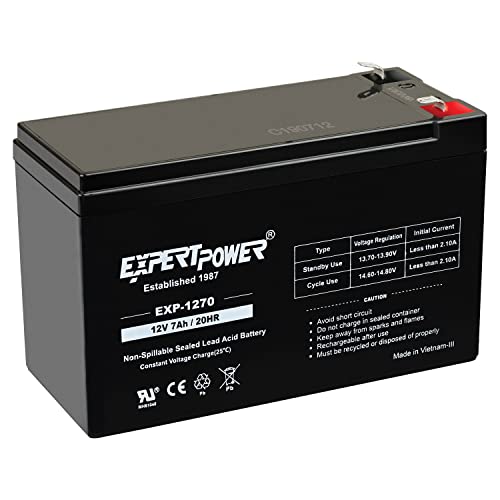
- Brand: ExpertPower
- Type: AGM sealed lead acid
- Voltage: 12V; Capacity: 18Ah
- Versatile with standard F1 terminals
Best for: Small devices, alarms, UPS back-ups, and compact solar projects. Why: Compact size and easy installation. Limitation: Lower capacity means more frequent recharges for high-draw needs.
Buying Guide: Key Considerations for Solar Lead-Acid AGM Batteries
- Capacity needs: Match Ah rating to your daily solar usage and expected storage. Larger off-grid systems benefit from 100–200Ah batteries for longer autonomy.
- Maintenance requirements: AGM batteries are marketed as maintenance-free, but periodic charging and temperature control extend life.
- Temperature tolerance: Choose batteries with a wide operating temp range if you live in extreme climates; charging and discharging specs vary with temperature.
- Discharge current vs. safety: Higher max discharge currents enable short bursts of higher power, but can shorten cycle life if used aggressively.
- Size and weight: Larger capacities come in bigger, heavier packs. Ensure your installation space and mounting methods accommodate the battery.
- Series and parallel configurations: If expanding capacity, verify compatibility for safe, reliable stacking in series or parallel.
- Application pairing: For RVs and boats, consider vibration resistance and mounting orientation as part of installation planning.
Frequently Asked Questions
- What does AGM mean for solar batteries? – AGM stands for Absorbent Glass Mat; it provides maintenance-free operation with sealed design and good spill resistance, suitable for solar storage.
- Are 12V AGM batteries better for RVs or cabins? – Both, depending on load. 100Ah or larger capacities are common for RVs, while higher capacity packs suit off-grid cabins.
- Can I mix brands in a solar bank? – Mixing brands or capacities is not ideal; ensure matched voltage, chemistry, and similar aging to avoid imbalanced cells.
- How long do AGM solar batteries last? – Lifespan depends on use, temperature, and cycling; reputable AGM batteries often provide years of service with proper care.
- Is self-discharge a concern with AGM? – AGM batteries typically have low self-discharge (around 1–3% per month), which is beneficial for storage between uses.
- Should I choose 100Ah or 200Ah for off-grid? – Choose 200Ah if you run higher daily loads or want fewer recharges; 100Ah works well for modest solar setups and backup power.