
Best Smart Line Voltage Thermostats for 120V–240V Homes
Smart line voltage thermostats offer hands-free control, energy savings, and easy integration with popular smart home ecosystems. This guide highlights five top options designed for high-voltage heating systems such as baseboard, convection, and wall heaters. Each model supports 120V to 240V configurations and provides features like scheduling, app control, and voice compatibility. Read on to compare capabilities and find the best fit for your home heating needs.
| Product | Brand | Key Features |
|---|---|---|
| Mysa Smart Thermostat LITE | Mysa Store | Wi-Fi, 120V–240V, HomeKit/Alexa/Google, free app, scheduling |
| Meross Matter Smart Thermostat (Electric Baseboard) | meross Store | Matter compatibility, voice control, energy saving scheduling |
| Meross Smart Thermostat (4-Wire, 120–240V) | meross Store | 4-wire install, high-voltage support, HomeKit/Alexa/Google |
| Honeywell TL8230A1003 | Honeywell Store | 7-day programming, energy savings, quiet operation |
| KING K901-W Hoot | KING Store | Single pole, app control, large touchscreen |
Below is a quick snapshot of the five selected products and how they relate to modern smart homes. This table helps you compare compatibility, installation needs, and core capabilities at a glance.
Mysa Smart Thermostat LITE — 120V/240V

The Mysa Smart Thermostat LITE is designed for high-voltage electric baseboard heaters, fan-forced heaters, wall heaters, and convectors. It supports 120V, 208V, and 240V systems and can operate as a single-pole thermostat. The thermostat connects via Wi-Fi and offers a feature-rich app for remote control, scheduling, and monthly runtime reports. Users gain smart integrations with major ecosystems at no ongoing subscription fees, making it a practical choice for budget-conscious smart home setups.
Key considerations:
– Installation compatibility with line voltage heating
– Availability of a free, fully featured app without subscriptions
– Compatibility with HomeKit, Alexa, and Google Assistant
Meross Matter Smart Thermostat for Electric Baseboard

The Meross Matter Smart Thermostat is built for high-line voltage heating systems between 120V and 240V. It offers universal Matter compatibility, working with Alexa, Apple Home, Google Home, and SmartThings simultaneously. This broad ecosystem support makes it easy to control via voice or the Meross app from anywhere. The thermostat emphasizes energy-saving scheduling and 24/7 control, helping manage comfort while reducing energy use over time.
Key considerations:
– Matter compatibility and multi-platform control
– Energy-saving scheduling features
– Suitable for baseboard, convector, and fan-forced heaters
Meross Smart Thermostat for Electric Baseboard (4-Wire)

This Meross model is designed for electric baseboard and in-wall heaters with a 4-wire setup. It supports high-voltage operation (120V–240V) and has a maximum load suitable for baseboard setups. It requires a minimum wire configuration and compatible high-voltage installation. The thermostat integrates with Apple Home, Alexa, Google, and SmartThings for voice and app control, enabling easy scheduling and automation.
Key considerations:
– 4-wire installation requirement
– High-voltage compatibility and load limits
– Broad smart home integration options
Honeywell TL8230A1003 Electric Heat Thermostat

The Honeywell TL8230A1003 is a seven-day programmable thermostat aimed at electric heating systems. It supports scheduling that can align with daily routines to maximize energy savings. The device emphasizes precise electronic temperature control and quiet operation, reducing typical HVAC noise while maintaining comfort. This model is suitable for users who prefer a traditional programming approach with reliable performance and compatibility with standard high-voltage setups.
Key considerations:
– Seven-day programming for tailored routines
– Precision temperature control
– Quiet operation to minimize HVAC noise
KING K901-W Hoot WiFi Line Voltage Thermostat
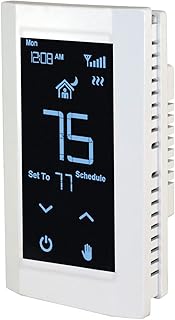
The KING K901-W Hoot thermostat provides line voltage control for 120/208/240V systems, with a single-pole, 3-wire installation configuration. It includes a large LCD touchscreen and a dedicated Hoot app for remote programming and monitoring. This model is designed for straightforward installation and readily accessible control, making it a practical option for users who want an intuitive interface combined with smart features.
Key considerations:
– Large touchscreen display for easy operation
– App-based control with Wi-Fi connectivity
– Simple single-pole installation for quick setup
Buying Guide: Key Purchase Considerations
- Voltage compatibility: Ensure the thermostat supports your home’s heating system voltage (120V, 208V, 240V) and matches whether you use single-pole or double-pole configurations.
- Installation requirements: Some models require four wires, while others support 2 or 3 wires. Confirm your wiring setup before purchasing.
- Smart home ecosystem: If you rely on Apple HomeKit, Alexa, Google Assistant, or SmartThings, choose a thermostat with broad ecosystem support and reliable voice control.
- Energy management: Look for scheduling, remote access, and runtime reports. These features help optimize energy use and provide insights into consumption patterns.
- App reliability and privacy: Prefer devices with free, feature-complete apps and transparent privacy policies, avoiding ongoing subscription fees.
- Display and interface: A clear interface, whether app-based or on-device touchscreen, improves ease of use and reduces setup time.
- Fit for baseboard vs. in-wall: Some models are optimized for baseboard heaters, while others cover broader high-voltage applications like convectors and fan-forced units—verify compatibility with your heater type.
- Future-proofing: Consider Matter compatibility or multi-platform support to ensure the thermostat remains compatible with evolving smart home standards.
These factors help balance setup complexity, daily usability, and long-term energy savings. When evaluating options, prioritize reliability, ecosystem compatibility, and the specific heating equipment in your home to maximize performance and satisfaction.