
Best Small Gas Powered Generators for Home and Outdoor Use
When power reliability matters, a compact gas powered generator can be a crucial backup. This guide highlights five well-rounded options designed for portability, efficiency, and ease of use, from ultralight camping models to higher-output open-frame units. Whether you need emergency power for a weekend retreat or a reliable backup for home essentials, these selections cover common needs and fuel-efficient runtimes.
| Product | Key Power | Best For |
|---|---|---|
| Aceup Energy 1,200W (Ultralight, EPA & CARB) | 1200 peak / 900 running | Lightweight home standby and camping |
| Power Equipment 4400W Inverter (Open Frame) | 4400 peak / 3400 running | RV use and long-duration backup |
| Pulsar 1,200W Carrying Handle | 1200 peak / 900 running | Portable camping and outdoor recreation |
| Aceup Energy 1,200W (Camping, Ultralight) | 1200 peak / 900 running | Compact home use and travel |
| Portable 2500W Inverter Generator | 2500 peak / not specified | Long runtime, quiet operation, home and camping |
Aceup Energy 1,200W Ultralight Generator

The Aceup Energy 1,200W model is designed for portability and basic home use, featuring 1200 peak watts and 900 running watts. It runs on a 71cc Aceup single-cylinder, 2-cycle engine with air cooling and recoil start. A compact 35.3-pound footprint makes it easy to transport for camping or as a small-scale home backup. It includes a 120V household outlet, an American-style duplex socket, and protective features like AC and DC overload protection, plus a simple indicator light to monitor status. This unit emphasizes lightweight utility without sacrificing essential power for essential devices.
Power Equipment 4400W Inverter Generator

Designed for demanding needs, this 4400W peak, 3400W running inverter generator offers multiple outlets, including two 120V AC ports, a 12V DC port, and an RV port. The panel and open-frame design support easy maintenance and cooling. With ECO mode, it can stretch runtime to support long camping sessions or emergency home backup, delivering efficient operation for up to extended periods. A 2-gallon fuel tank and a dashboard fuel gauge help you monitor levels at a glance, ensuring you’re prepared when power is needed most.
Pulsar 1,200W Carrying Handle Generator
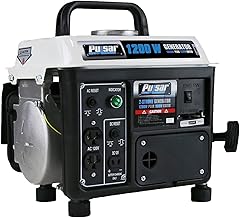
With 1,200 peak watts and 900 running watts, the Pulsar PG1202SA is a compact, durable generator featuring a single-cylinder, 2-stroke engine with recoil start. Its compact design and carrying handle make it ideal for camping and outdoor recreation. The unit supports up to about five hours of operation at half load with a 1.1-gallon fuel tank, making short trips or light backcountry trips more convenient. It’s a practical choice for users who prioritize portability alongside reliable power for essentials like lights, fans, or small appliances.
Aceup Energy 1,200W Camping Generator (Ultralight)

This Aceup Energy unit mirrors the ultralight design with 1200 peak watts and 900 running watts and a 71cc 2-stroke engine. It’s optimized for portability, weighing about 35.3 pounds, and includes a 60 Hz, 120V setup with an American duplex outlet. The air-cooled engine and recoil start simplify field use, making it a solid option for campers or homeowners who need a compact, EPA and CARB compliant generator without sacrificing essential power for essential devices during outages or outdoor excursions.
Portable 2500W Inverter Generator

The 2500W portable inverter is designed for longer runtimes and quieter operation, making it suitable for both home backup and camping use. ItsEPA compliance supports cleaner emissions, while the CO sensor provides an added safety feature for indoor or tent-side use. This unit emphasizes steady power delivery for mid-size appliances and electronic devices, ensuring you have a reliable energy source during outages or outdoor adventures. It’s a versatile choice for users who need a balance of quiet operation, efficiency, and portability.
Buying Guide: Key Purchase Considerations
- Power needs: Identify essential devices you’ll run (refrigerator, lights, sump pump, media, etc.) and choose a generator with a suitable peak and running wattage. Inverter models often provide cleaner power with better fuel economy and quieter operation.
- Portability and weight: For camping or travel, ultralight and carrying-handle designs reduce fatigue. Heavier open-frame units are better suited for stationary backup in a garage or workshop.
- Fuel and runtime: Look at tank size and runtime at a given load. ECO modes help extend runtime, especially for intermittent power needs or long outages.
- Emissions and compliance: EPA and CARB compliant units are preferable for use in areas with strict emissions standards, and they may be eligible for certain registrations or incentives.
- Outlets and versatility: A mix of 120V outlets, DC ports, and RV connections broadens compatibility with appliances and electronics. Some units include CO sensors for indoor safety.
- Maintenance and durability: Engine type (2-stroke vs. 4-stroke) and cooling method influence durability and maintenance frequency. Recoil start models are generally simple to operate in field conditions.
- Noise level: Inverter generators are typically quieter than open-frame gas models. Consider neighborhood restrictions or campsite etiquette when selecting a unit.
- Fuel availability and storage: Gasoline storage considerations, stabilizers, and compatibility with standard fuels impact long-term readiness and maintenance.
- Price and warranty: Compare warranties and after-sales support. A slightly higher upfront cost can be offset by better durability, efficiency, and service options.
These options collectively address diverse needs—from ultralight camping to reliable home backup—offering a balance of portability, power, and efficiency. Always match the generator’s specifications to your actual load profile and intended usage to maximize performance and safety.