
Best Single-Phase Line Filters for Clean Power and Equipment Protection
Single-phase line filters reduce electrical noise and protect sensitive equipment. This guide highlights five reliable EMI filters ideal for laboratories, medical devices, automation gear, and servo systems. The top picks are best for varying amperage needs, from compact 10A units to 30A models. Each product is evaluated for best-use scenarios, potential limitations, and clear reasons to choose or avoid. The buyer can compare form-factor, ground-wiring requirements, and temperature tolerance to fit their environment.
| Product | Brand | Amperage | Key Point |
|---|---|---|---|
| JIN RONG CW2B-10A-T | JIN RONG | 10 A | Compact, versatile for lab or automation gear |
| JIN RONG JRW1230-44 | JIN RONG | 30 A | Higher current, robust protection |
| JIN RONG JRW1220-22 | JIN RONG | 20 A | Balanced size and capacity |
| SHUATI CW2B-10A-T | SHUATI | 10 A | Broad temperature range, robust construction |
| Comimark CW1D-10A-T | Comimark | 10 A | Compact, simple IEC connector option |
JIN RONG CW2B-10A-T Single-Phase EMI Filter
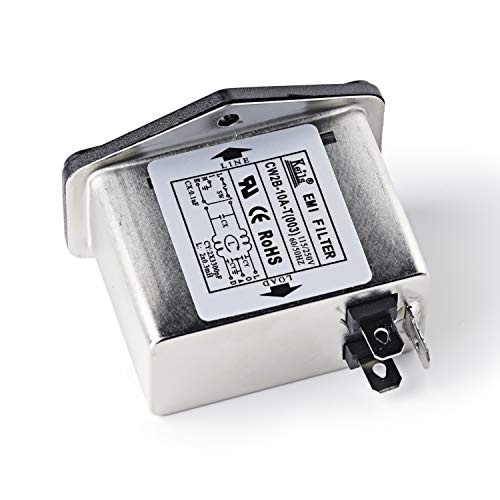
This 10 A EMI filter is designed for laboratory equipment, medical devices, servo systems, automation, and precision machinery. It handles Hi-pot testing up to 1450VDC for 2 seconds and 1500VAC for protection against line disturbances. Best for compact setups where space is a constraint and current needs are modest.
Who it’s best for: small labs, test benches, and automated controls that require reliable noise suppression without a large footprint. Limitation: ensure proper ground connections; performance drops if ground wiring is insufficient.
JIN RONG JRW1230-44 30A Line-Conditioner EMI Filter

This 30 A model delivers higher current capability for demanding equipment across laboratories, communications systems, and automation lines. Its high-temperature plastic housing provides flame retardancy and environmental protection. Ground connections are essential for achieving full filtration efficiency.
Who it’s best for: systems with higher load or multiple devices sharing a single line. Choose this if you need stronger suppression without stepping up to a bulky enclosure. Limitation: thicker footprint due to increased current rating.
JIN RONG JRW1220-22 20A EMI Filter
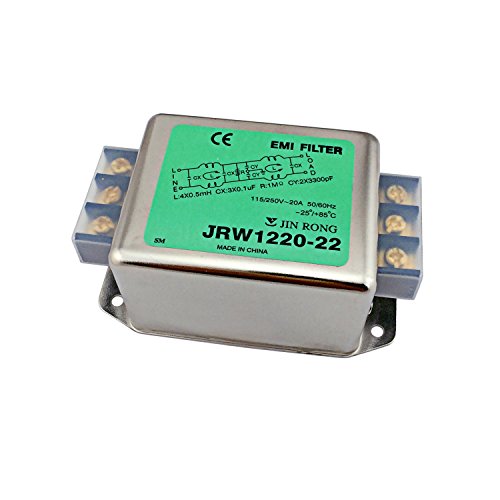
This 20 A line-filter balances compact design with mid-range current capacity. It’s suitable for medium-sized machines, POS systems, or lab benches with a broader temperature tolerance. Ground wiring remains critical for maximum effectiveness.
Who it’s best for: users needing a middle-ground solution between compact 10 A units and heavier 30 A versions. Limitation: performance hinges on correct grounding and installation.
SHUATI CW2B-10A-T Single-Phase EMI Filter

SHUATI’s CW2B-10A-T covers a wide temperature range from -25°C to +85°C, making it a strong choice for outdoor or harsh indoor environments. It supports Hi-pot testing with 1450VDC for 2 seconds and 1500VAC for 2 seconds, ensuring durability in precision work environments.
Who it’s best for: environments with extreme temperatures or installations exposed to variable conditions. Limitation: ensure compatibility with the ground wiring plan to preserve filtration effectiveness.
Comimark CW1D-10A-T EMI Filter

Comimark’s CW1D-10A-T provides a compact, general-purpose EMI filtering solution. It follows standard 10 A line-filter design with a practical IEC-320 C14 style form factor. Best for basic setups or budget-conscious projects that still require noise suppression.
Who it’s best for: smaller devices or enclosures needing a simple, plug-and-play EMI filter. Limitation: may not be ideal for high-current or highly demanding systems where more robust filtration is needed.
Buying Guide
What amperage do I need?
Choose current rating based on the equipment’s maximum draw. 10 A filters fit compact devices, 20 A suits mid-range systems, and 30 A handles higher loads or multiple devices sharing a single line. When in doubt, select a model with a small safety margin above the expected draw.
How important is ground wiring?
Ground connections significantly affect filtration performance. Many models caution that ground wiring is essential to avoid reduced effectiveness. Ensure your enclosure has a solid grounding path and follow the manufacturer’s installation notes.
What about temperature and environment?
Filters with wide operating temperatures (for example -25°C to +85°C) are better for harsh environments. Plastic housings offer flame retardancy and weather resistance but verify that the unit’s enclosure suits your mounting conditions and space constraints.
Form factor and installation
Compact filters fit tight spaces, while larger units offer higher current and easier wiring on larger equipment. Consider whether you need a wall-mount, rack-mount, or inline installation. Ground wire routing should be planned during setup.
Key features to compare
- Hi-pot test ratings and voltage withstand capabilities
- Grounding requirements and documentation
- Physical dimensions and mounting options
- Material quality and flame retardancy
- Compatibility with your device’s connectors or cable types
When to choose which model?
For compact devices with modest power needs, a 10 A model like CW2B-10A-T variants is efficient and space-saving. For labs with higher loads or multiple devices, the 20 A or 30 A models offer stronger protection. If temperature exposure is extreme, prioritize units with wide temperature ratings. If you need a budget-friendly option for basic filtration, a CW1D-10A-T or similar compact model may suffice.
Maintenance and upgrades
Routine visual inspections for signs of wear, secure grounding, and proper mounting help maintain performance. Replace filters if you notice rising noise or instability in the equipment’s operation, and verify compatibility with any new devices introduced to the line.
FAQ
- What is a single-phase EMI filter used for? It reduces electrical noise on a single AC line to protect sensitive equipment and improve stability.
- How do I know which amperage to buy? Match the filter to the equipment’s maximum current draw, and consider a margin above that for safety.
- Is ground connection always required? Most models rely on a ground connection for maximum effectiveness; without ground, performance can drop significantly.
- Can I install these myself? Installation should follow the manufacturer’s guidelines and adhere to local electrical codes; if unsure, consult a professional.
- Do higher amperage filters take more space? Generally yes; higher current models are larger and may require more enclosure space.
- Are these filters suitable for extreme temperatures? Some models are rated for wide temperature ranges; choose accordingly if used in harsh environments.