As an Amazon Associate I earn from qualifying purchases. These links may earn this site a commission when you buy, at no extra cost to you.
Choosing the right sheet metal blade for a circular saw can improve cut quality, reduce heat, and extend blade life. The following picks cover cermet carbide and carbide-tipped blades designed for ferrous metals, nonferrous materials, and mixed metal tasks. This guide highlights blades with durable teeth, efficient chip removal, and compatibility with standard 5/8″ arbors. Use the buying guide to compare tooth configurations, kerf, and bevel performance across different metal-cutting scenarios.
| Product | Brand | Key Features |
|---|---|---|
| Echo Corner 7-1/4″ Metal Cutting Circular Saw Blade | Echo Corner | Cermet carbide tipped teeth; ATB grind; for ferrous metals and tough sheet/plate |
| Echo Corner 6-1/2″ Aluminum Cutting Circular Saw Blade | Echo Corner | TCG 60-tooth; ideal for non-ferrous metals and plastics; clean edge |
| Diablo Steel Demon Cermet II Saw Blade | Diablo | Cermet II teeth; up to 25x life; cooler, faster cuts |
| FOXBC 7-1/4″ Circular Saw Blade Metal 48 Teeth | FOXBC | Ceramic carbide; 48 teeth; versatile for studs, channels, EMT |
| FOXBC 7-1/4″ Circular Saw Blade 70 Teeth | FOXBC | Ceramic carbide; 70 teeth; precise bevel cuts in metal |
These choices balance long tool life, fast cutting, and clean finishes. The table above helps compare core traits at a glance, while the next sections dive into each blade to help you decide which one matches your project needs.
Echo Corner 7-1/4″ Metal Cutting Blade

Designed for ferrous metals, this blade uses cermet carbide teeth paired with ATB geometry to deliver fast, clean cuts through mild steel, carbon steel, and steel plates. The tooth design focuses on longevity and consistent performance during heavy-duty sheet metal work. Compatible with corded or cordless circular saws and miter saws, the blade is optimized for dry cutting and reduced heat buildup, helping minimize warping on thinner metal sections.
Echo Corner 6-1/2″ Aluminum Cutting Blade

This blade targets non-ferrous materials and plastics with a 60-tooth configuration to deliver clean edges on aluminum, copper, brass, and related metals. The Triple Chip Grind style minimizes chipping and tearout on brittle sheets while providing smooth finishes on plastics and laminates. It’s a practical choice when non-ferrous metal fabrication or panel work is common on the jobsite.
Diablo Steel Demon Cermet II Saw Blade

This blade uses advanced Cermet II teeth to deliver up to 25 times longer life than standard discs, with cooler cuts that limit heat buildup and material discoloration. It’s engineered for faster cuts in metals and stainless steel and is particularly suitable for repeated or high-volume metal fabrication tasks, reducing downtime linked to blade changes and sharpening.
FOXBC 7-1/4″ 48-Tooth Metal Cutting Blade

With 48 teeth and ceramic carbide construction, this blade addresses steel studs, channels, angle iron, EMT conduits, and similar metal profiles. Its kerf and arbor compatibility align with standard circular saws, delivering steady performance on ferrous applications while offering a balance between speed and cut quality for mid-thickness metal sections.
FOXBC 7-1/4″ 70-Tooth Metal Cutting Blade

This blade pairs a higher tooth count with ceramic carbide for refined finishes on thin to mid-thickness metals. The 70-tooth configuration reduces burrs and improves edge quality, making it suitable for precision metal fabrication tasks such as channel and plate work, in both cordless and corded circular saws.
Evolution S185CCSL 7.25” Metal Cutting Circular Saw
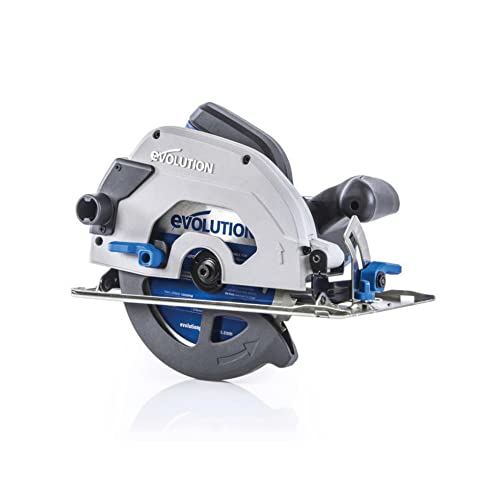
Powered by a robust 15-amp motor, this Evolution model is designed for heavy-duty steel fabrication. It includes a 40-tooth TCT blade that delivers clean, burr-free finishes with minimal heat generation. The saw’s light weight (about 11.4 lbs) supports overhead or repetitive use, while 45° bevel capability expands its cutting versatility for fabrication and installation tasks.
Buying Guide: Key Purchase Considerations
- Material compatibility: Ferrous vs non-ferrous metals, stainless steel, and sheet/plate thickness determine tooth geometry and carbide type. For ferrous metals, cermet carbide or carbide-tipped blades tend to offer better life and heat management.
- Tooth configuration: ATB (Alternate Top Bevel) is common for clean edge finishes, while TC Grain or TC (Triple Chip Grind) can reduce chipping in brittle materials. Higher tooth counts yield smoother finishes but may cut more slowly.
- Arbor and kerf: Ensure the blade’s 5/8″ arbor matches your saw. Kerf width affects material waste and heat; thinner kerfs cut faster but may require more precise alignment.
- Cool-cut performance: Blades advertised as “cooler cuts” or with advanced alloys help control heat buildup, reducing discoloration and warping during prolonged cuts.
- Bevel and durability: Some blades are designed to maintain stability under bevel cuts and heavy loading. Laser-cut stabilizers can reduce vibration for straighter cuts.
- Application scope: If you work with mixed materials, selecting blades with broader tooth configurations can offer flexibility; reserve dedicated blades for sensitive materials to extend blade life.
- Maintenance and safety: Inspect blades for missing teeth or warping before use. Always follow manufacturer safety guidelines and use appropriate PPE.
When selecting a blade, match your primary metal type, expected cut thickness, and whether you prioritize speed, long life, or edge finish. For contractors cutting mild steel, cermet-tipped blades often provide durable performance with cooler operation. For precise edge finishes on sheet metal or channel, higher-tooth blades can reduce burrs without sacrificing cut quality.