
Best Residential Wind Power Kits for Home Energy Independence
Answering the demand for reliable, off-grid energy, these residential wind power kits are designed for homeowners seeking practical wind-powered electricity. The top picks cover a range of power outputs, installation styles, and climates, from compact 600W setups to high-capacity 14kW systems. Best for: rural homes, cabins, and off-grid properties with steady winds; replacements or supplements for solar setups; and hobbyists looking to learn wind turbine technology.
Summary table of selected products:
| Product | Power (Max) | Best For | Key Benefit |
|---|---|---|---|
| Fablestoryem 14000W Wind Turbine Generator Kit | Up to 14000W | Homes with strong wind resources | High output, vertical design, low noise |
| Automaxx Windmill 1500W 24V | Up to 1500W | Small to mid off-grid systems | MPPT controller, dual braking, Bluetooth |
| Thames & Kosmos Wind Power V5.0 | Model kit for 3ft turbine | Education and hobby projects | Indoor/outdoor versatility |
| Thames & Kosmos Wind Power V4.0 | Model kit for 3ft turbine | Educational experiments | Durable blade design, hands-on learning |
| 20000W Vertical Wind Turbine Generator Kit (220V) | Up to 20000W | Large home or small business off-grid | Nylon blades, versatile applications |
Fablestoryem 14000W Wind Turbine Generator Kit
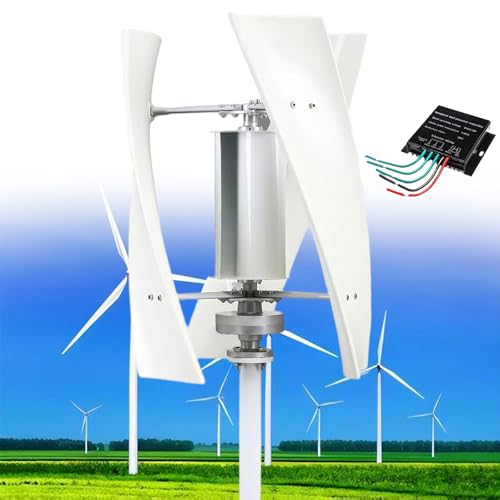
Best for high-wind homes and energy enthusiasts seeking substantial off-grid capacity. The vertical turbine uses reinforced nylon blades and an aerodynamic design to maximize wind capture with a 360° range and no yaw system. It begins generating energy at very low wind speeds and operates with reduced noise, which suits residential roofs or yards. Consider the scale and installation requirements before choosing if you have limited space or lower wind speeds.
Automaxx Windmill 1500W 24V Wind Turbine Generator Kit
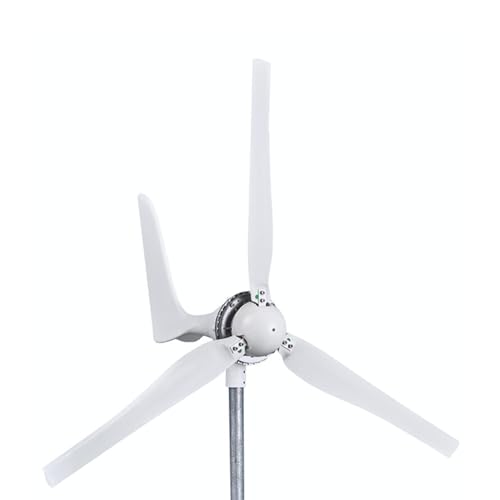
Best for mid-sized off-grid systems or residential setups aiming for reliable daily power. This kit supports 24V systems, begins generating at a low cut-in wind speed, and includes an MPPT controller with Bluetooth for performance monitoring. It’s well-suited for homes that want a robust, expandable wind option and are comfortable with a higher-installation requirement. A potential limitation is the need for adequate wind exposure and proper anchoring of the turbine.
Thames & Kosmos Wind Power V5.0

Best for education-focused learning and indoor/outdoor experimentation. The V5.0 STEM kit enables building a 3-foot tall model wind turbine to explore clean energy concepts. Its updated blade hub and gear ratio optimize indoor and outdoor performance, helping students and hobbyists understand wind energy mechanics. Suitable for classrooms or home experiments; not meant to power a full home grid.
Thames & Kosmos Wind Power V4.0
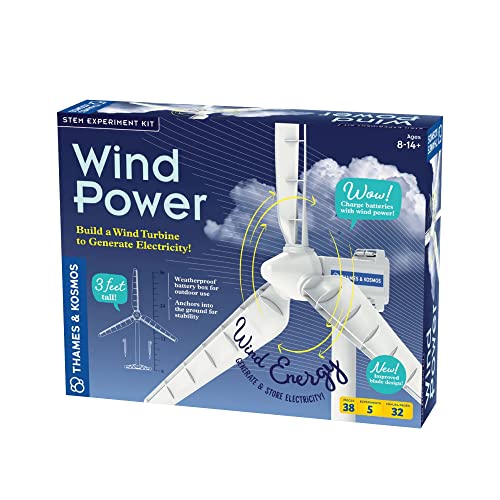
Best for hands-on experiments and learning fundamentals of wind energy. The V4.0 kit features a single-piece blade construction for durability and improved aerodynamics while enabling users to generate electricity to charge a battery or power a small model car. Choose this if you want a durable, kid-friendly project with clear educational value, but note it’s a smaller scale than real home wind systems.
20000W Vertical Wind Turbine Generator Kit (220V)

Best for larger residential or small commercial off-grid needs, this 220V vertical wind turbine aims at high energy outputs. The nylon fiber blades are designed for durability and year-round operation in a variety of environments, including roofs and open spaces. It starts capturing energy in light winds and supports wind resource utilization without yaw adjustments. Limitations include higher installation complexity and space requirements for optimal performance.
Automaxx Windmill 600W Kit

Best for compact, budget-conscious off-grid setups or small cabins. The 600W kit operates at 24V and includes a controller with display, offering a simple path to renewable energy. It’s a good entry point for beginners exploring wind power; however, its lower power rating means it’s less suitable for homes with higher electricity demand.
600W Vertical Wind Turbine Kit (Mocuceom)

Best for small spaces and light-duty applications where minimal noise and a vertical design are valued. This kit offers 24V operation and a 5-blade lantern-style turbine for residential, farm, or RV use. Limitations include moderate power output, making it more suitable as a supplementary energy source rather than a primary power supply for larger homes.
20000W Vertical Wind Turbine Kit (Generic)
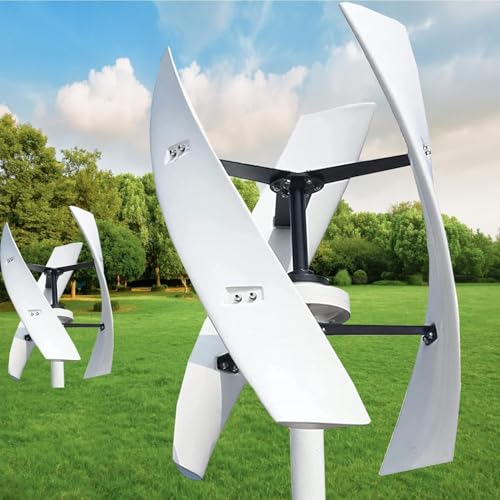
Best for ambitious home-scale wind projects seeking high energy capacity. The nylon blade design with vertical axis supports multi-direction wind capture and year-round performance. Choose this if you need substantial power at a residential scale; avoid if your space is limited or wind exposure is poor.
Buying Guide
- Wind Resources: Assess local average wind speeds and gust patterns. High-output kits require consistent wind and suitable mounting locations.
- Power Needs: Match turbine capacity to your daily electricity usage to avoid oversizing or undersizing the system.
- System Type: Decide between stand-alone off-grid setups or grid-tied/backup configurations and how a battery bank fits into your plan.
- Installation Space: Consider tower height, rotor diameter, and shading from trees or buildings. Larger systems need more space and structural support.
- Noise and Aesthetics: Vertical designs tend to be quieter and visually less intrusive for residential areas.
- Maintenance: Look for blades and hubs designed for durability and ease of service, especially in harsher climates.
- Safety Features: Check for over-speed protection, braking systems, and weatherization for longevity in storms and coastal environments.
- Future Expansion: If you plan to add solar or more storage, choose kits that support MPPT controllers and scalable battery banks.
FAQ
- What size wind turbine should I choose for a home? – Choose based on your average wind speed and daily electricity needs; larger homes or higher demand require bigger turbines and storage capacity.
- Do vertical turbines reduce noise? – Yes, vertical-axis designs generally produce less audible noise than horizontal-axis systems, making them better for quiet residential settings.
- Is MPPT better for wind power? – MPPT controllers optimize energy harvesting, especially in fluctuating wind, improving overall efficiency and battery charging.
- Can wind power be combined with solar? – Yes. Hybrid systems can balance variability and improve reliability by using both wind and solar sources with a shared storage system.
- What maintenance is required? – Regular inspection of blades, bearings, and mounts; ensure proper weatherproofing and clean connections to controllers and batteries.
- Are there installation restrictions? – Local codes, permitting, and tower height limits may apply. Professional installation is recommended for larger kits.