
Best Remote Push Button Switches for Easy Hands-Free Control
Answering the search for reliable remote push button switches: these devices let you turn lights, electronics, and appliances on or off without rewiring. They suit different needs—from quick bedroom lamps to DIY projects requiring a compact, button-based interface. The top picks below cover Bluetooth control, hub-enabled remote operations, simple momentary push actions, and multi-port switching for common desk setups. The buyer profiles vary: tech-friendly renters seeking no-wiring solutions, DIY enthusiasts needing quick installs, and homemakers wanting voice-enabled routines.
Summary of selected products
| Product | Best For | Why This Pick? | Limitations |
|---|---|---|---|
| SwitchBot Smart Switch Button Pusher (Bluetooth) – White | Smart-control of rocker or one-way switches | No wiring required; app timers; optional hub for voice control | Not for toggle/mini switches or aged buttons |
| Momentary Push Button Switch 12V 24V | Short-press momentary needs | Pre-wired, easy pasting installation | Basic function without smart features |
| SwitchBot Compact Button With Timer | App-controlled, hub-ready setup | Similar to first SwitchBot option with timers | Requires hub for full voice/remote control |
| Nilight 12mm Latching Push Button 5 Pack | Durable, multi-button projects | IP67 waterproof, LED indicators | Basic switch with wired setup |
| IOGEAR 2-Port USB VGA KVM Switch | Desktop dual-computer control | Remote push button switching, Plug-n-Play | Not a traditional “smart” switch; uses USB/VGA |
SwitchBot Smart Switch Button Pusher (Bluetooth) — No Wiring

Best for renters and small-appliance setups that require no rewiring. The SwitchBot Button Pusher turns rocker switches and one-way buttons into smart controls via your phone. It supports app-based on/off scheduling, which helps automate routines like turning on bedside lamps or fans in the bedroom. The unit works with Bluetooth for local control, and adding a SwitchBot Hub enables remote and voice control via Alexa, Google Assistant, or Siri, plus IFTTT. It’s not suitable for capacitive touch panels, toggle switches, mini switches, or stiff aged buttons.
Who it’s best for: users who want a quick, non-wiring upgrade for standard switches and prefer local Bluetooth control with optional future hub expansion. Why selected: it combines ease of use with robust timer features that keep running without constant phone proximity.
Caution: performance may vary on very stiff or aged buttons, and it cannot convert every type of switch into a smart device. Ensure your switch type is within supported ranges for best results.
Momentary Push Button Switch 12V/24V — Prewired

This is a straightforward momentary push button with a pre-wired 20-inch cable and no-drill installation via double-sided tape. It’s best for users who need a simple push-to-activate interface without any smart features. It’s ideal for DIY projects, small electricals, or temporary setups where wiring isn’t convenient. It’s not a smart switch, so it won’t integrate with app-based timers or voice assistants by itself.
Who it’s best for: DIYers and hobbyists who want quick, non-smart momentary action. Why selected: the pre-wired design and adhesive installation make it highly portable and easy to deploy.
Caution: lacks wireless control or scheduling; plan for separate control methods if automation is required.
SwitchBot Smart Switch Button With Timer
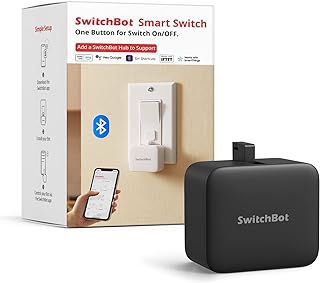
Designed for app-controlled, timer-driven switching, this SwitchBot option extends the basic button pusher with on/off schedules. It works best for lights, fans, and appliances you don’t want to reach for manually. Bluetooth enables local control, while the SwitchBot Hub unlocks remote operation and voice control via Alexa, Google Assistant, or Siri, along with IFTTT compatibility. It’s not compatible with capacitive touch panels, toggle/mini switches, or stiff/aged buttons.
Who it’s best for: smart-home beginners who want straightforward automation without wiring. Why selected: it mirrors the first SwitchBot design with timers, offering a familiar interface and expandable control.
Caution: hub features require an additional purchase; verify switch compatibility with your existing hardware before buying.
Nilight 12mm Latching Push Button Kit
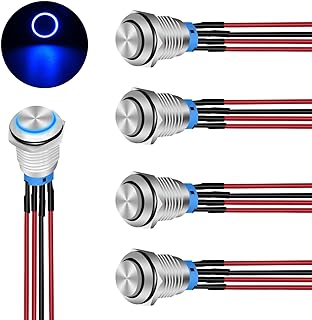
Best for multi-button wired projects that require waterproofing and LED indicators. The Nilight kit includes five 12mm latching push buttons with IP67 protection, LED indicators, 12V operation, and 8-inch pigtail wires for simple setup. This is ideal for outdoor or rugged applications where durability matters. The product is wired, so it does not provide wireless control or app-based automation by itself.
Who it’s best for: builders needing durable, waterproof push buttons for control panels or vehicles. Why selected: the kit’s robust design and indicators support clear, visible status in challenging environments.
Caution: wireless features are absent; plan for a separate control system if you want remote automation.
IOGEAR 2-Port USB VGA KVM Switch

Best for desk setups requiring quick switching between two computers or consoles. The IOGEAR GCS72U provides remote push-button switching with 2048×1536 video support and plug-n-play reliability. It includes USB and VGA connections to simplify multi-device control. It’s not a traditional smart switch and relies on hardware-level switching rather than app-based automation or voice control.
Who it’s best for: users managing two computers or sources from a single keyboard/mouse/monitor setup. Why selected: straightforward, reliable, and easy to deploy in a dual-system workspace.
Caution: does not integrate with smart-home ecosystems; no voice or app automation features.
Buying Guide: How To Choose The Right Remote Push Button Switch
What type of switch do you need? If you want zero wiring, look for finger-pusher or rocker-switch adapters like the SwitchBot options. If you require a more rugged, wired button for panels, Nilight’s latching push buttons offer durable hardware with clear LED indicators. For computer desks, a KVM-style remote button setup like the IOGEAR switch provides hardware-level control without any smart features.
Do you need smart-home integration? If yes, ensure the device can pair with a hub for voice control and remote access. Check compatibility with Alexa, Google Assistant, and Siri, plus IFTTT if you plan advanced automation.
Is installation temporary or permanent? Adhesive-backed and pre-wired units are ideal for renters or quick trials. Wired, latching, or panel-mounted switches suit permanent installations or projects requiring robust, long-term control.
What are the limits of control? Some devices support scheduling in the app, while others only offer on/off functionality through hardware or hub-based automation. Consider whether you need both momentary and maintained actions.
What environment will the switch operate in? IP-rated devices (like IP67) are better for outdoors or damp areas; LED indicators can help quickly identify status in bright settings.
FAQ
- What is a remote push button switch?
A device that activates or deactivates an electrical load via a button, which can be controlled remotely through a hub, app, or voice assistant.
- Can I use these without wiring?
Yes. Several options provide cordless installation by using Bluetooth or battery-free attachments that slide onto existing switches.
- Do these require a hub for remote control?
Some do; hub-enabled models allow voice control and remote access. Check each product’s features to confirm hub requirements.
- Are these compatible with smart home assistants?
Many are, but not all. If you need Alexa or Google Assistant support, choose a model that explicitly lists hub compatibility and supported ecosystems.
- What kinds of switches can be automated with these devices?
Rocker switches and some one-way buttons are commonly supported. Capacitive touch panels, toggle switches, or very aged buttons may not work reliably.