
Best Portable Generator for Welding Machines: Top Picks for On‑Site Power and Stable Welds
When choosing a portable generator to run a welding setup, users look for stable power, fuel flexibility, and portability. The following selections combine generator strength with weld-ready performance, ensuring smooth power for arc stability, portability for field work, and enough amperage for common welding tasks. The list below features five reliable options that balance wattage, duty cycle, and practicality for home projects, repairs, and light fabrication.
| Product | Brand | Key Strength |
|---|---|---|
| Tomahawk 15 HP Engine Driven Portable 2,000 Watt Generator with 210 Amp Welder | Tomahawk Power | Integrated welding capability with a robust 210A output |
| Portable Handheld Welding Machine — 110V IGBT Inverter | Tvgoo | Ultra-lightweight handheld welding with adjustable current |
| Hpoouo 200Amp 110V IGBT Inverter Welder | Hpoouo | Portable 110V welder with hot start and arc force |
| Miller 907693 Multimatic 215 | Miller | Multiprocess capability for MIG, TIG, Stick and more |
| FEMEROL 140A 3 in 1 MIG/Flux Core/Lift TIG/Stick Welder | FEMEROL | Compact 3‑in‑1 welding versatility with LED display |
Tomahawk 15 HP Engine Driven Portable Welder Generator
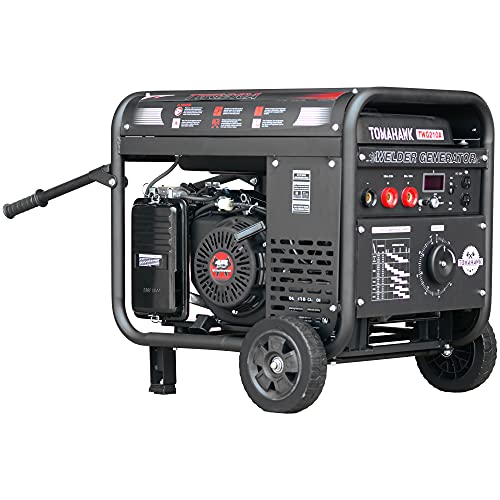
The Tomahawk unit combines a compact generator with a high‑amperage welding output, delivering up to 210 amps for stick and TIG processes. Its 60% duty cycle supports longer welds at higher currents, while the integrated inverter technology helps sustain a stable sine wave for steady welding performance. This setup allows users to weld and run electric tools simultaneously, making it suitable for remote job sites or repairs where separate power sources aren’t practical. Its engine‑driven design emphasizes portability without sacrificing welding capability, ideal for mid‑duty metal work.
Tvgoo Portable Handheld 110V IGBT Inverter Welder

This ultralight handheld welder provides 20–120A welding current in a compact package. With IGBT inverter technology, it offers stable arc starts and smooth welding across thin and thick materials, making it versatile for DIY projects, patio furniture repairs, and small fabrications. The six‑knob control lets users dial in precise amperage, enabling a smooth transition from delicate sheet metal work to sturdy joints. Its portability is a standout feature for on‑the‑spot welding, roadside repairs, or garages with limited space. It’s particularly suitable for hobbyists seeking professional arc stability without heavyweight equipment.
Hpoouo 200Amp 110V IGBT Inverter Welder

The Hpoouo stick welder offers a wide 20–200A adjustable range, enabling thin sheet welding and thicker structural joints on a 110V supply. It features hot start and arc force control to improve arc stability and penetration, helping beginners and hobbyists achieve smoother beads. The compact form (under 4 pounds) makes it highly portable for fieldwork, while the IGBT inverter engine supports microsecond current adjustments for reliable performance under varying metal thicknesses. This model is a practical option for small repairs, farm equipment, and light fabrication projects where mobility matters.
Miller 907693 Multimatic 215 Multiprocess Welder
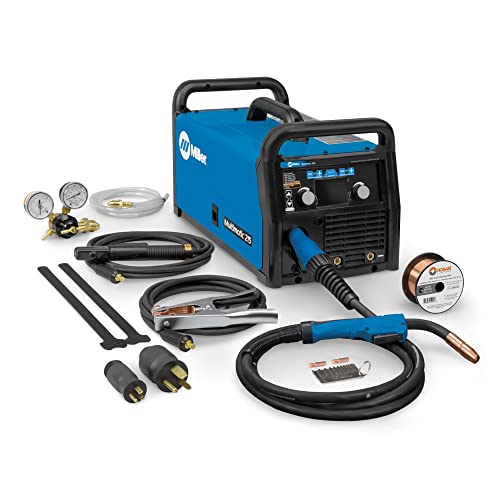
The Miller Multimatic 215 is a versatile, portable multi‑process welder capable of MIG, Flux‑Core, Stick, and DC TIG along with integrated wire feeding. It supports welding up to 3/8″ mild steel and offers Auto Spool Gun Detect and Auto‑Set Elite for quick, precise adjustments across materials. Its design emphasizes precision and reliability, with smooth starts and efficient wire feeding. While more feature‑rich and heavier than basic welders, it remains a strong option for serious hobbyists and light professional shops seeking a single, flexible machine for diverse welding tasks.
FEMEROL 140A 3 in 1 MIG/Flux Core/Lift TIG/Stick Welder

The FEMEROL 140A 3‑in‑1 welder combines MIG, Flux Core, Lift TIG, and Stick welding in a compact 110V package. The LED digital display provides real‑time parameter readouts for voltage and current, aiding accuracy for beginners and seasoned welders alike. With synergic control and manual options, users can adapt to different welding tasks, from thin materials to light structural work. The kit’s portability and LED display make it a practical choice for small shops, classrooms, and mobile repair services where a versatile, all‑in‑one unit is beneficial.
Buying Guide: Key Considerations For Portable Welding Power
When selecting a portable generator or welder for on‑site welding, consider the following factors to match your workload and environment:
- Power output and duty cycle: Choose a unit with amperage appropriate to your welding needs and a duty cycle that supports sustained welding without overheating. If you often weld at higher currents, prioritize higher duty cycles.
- Portability vs. capability: Engine‑driven generators sacrifice some portability for welding power. Assess how often you’ll be moving the unit and whether integrated welding adds value for field projects.
- Voltage stability and arc performance: Inverter technology helps maintain stable output and cleaner arcs. Look for models that advertise stable sine waves or advanced arc control features to reduce spatter and improve bead quality.
- Fuel type and efficiency: Gasoline, propane, and dual‑fuel options offer flexibility across environments. Consider fuel availability and run times in your typical work area.
- Port configuration and accessories: A kit with welding goggles, ground clamps, and protective gear reduces setup time. For mobile work, a compact carry case or bag adds convenience.
- Multi‑process capabilities: If you anticipate needing MIG, TIG, and stick in a single unit, explore multi‑process welders like the Miller Multimatic 215 or FEMEROL 140A, weighing the trade‑offs in weight, cost, and complexity.
- Safety features: Carbon monoxide alarms, automatic shutoffs, and built‑in protection help ensure safe use in enclosed or semi‑open spaces. Always follow manufacturer safety guidance and local regulations.
- Maintenance and service: Consider availability of replacement parts, warranty coverage, and local service centers. A widely supported model reduces downtime and keeps you welding longer.
These considerations help map your project types to the most suitable equipment. For on‑site fabrications, field repairs, or garage projects, the balance between portability and welding capacity determines the best choice. The featured products provide a spectrum of options, from compact handheld welders to robust multiprocess machines, ensuring there is a fit for various skill levels and work environments.