
Best Peroxide System for Well Water: Safe, Easy Disinfection and Odor Elimination
Well water disinfection often relies on hydrogen peroxide systems to neutralize bacteria, remove sulfur smells, and improve taste. This guide highlights five peroxide-based products commonly used for well water treatment, emphasizing straightforward application, stability, and safety. Each option offers a practical approach for homeowners seeking an effective, low-maintenance solution to improve water quality while avoiding heavy filtration setups.
| Product | Brand | Volume | Key Benefit |
|---|---|---|---|
| WELL SAFE Well Sanitizer Kit | WELL SAFE | Kit (varied) | Easy DIY disinfection; reduces rotten egg odor |
| Nature’s Freedom 12% Hydrogen Peroxide | Nature’s Freedom | 2 gallons | Food-grade, no additives; US-made |
| Nature’s Freedom 12% Hydrogen Peroxide | Nature’s Freedom | 1 gallon | Compact option; food-grade formulation |
| Blubonic Industries 12% Food Grade Hydrogen Peroxide | Blubonic Industries | 16 fl oz | Stabilizer-free; versatile cleaning and sanitizing uses |
| Blubonic Industries 12% Food Grade Hydrogen Peroxide (128 fl oz) | Blubonic Industries | 128 fl oz | Large-volume option; stable, pure H2O2 solution |
WELL SAFE Well Sanitizer Kit
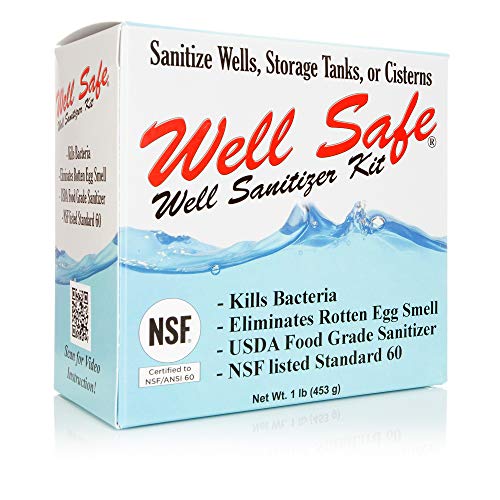
The WELL SAFE kit is designed as a straightforward well disinfection solution. It includes simple-to-follow DIY instructions and directs users to pour the content into the well, circulate, and let stand for 8-24 hours before flushing until clear. A key advantage is odor control, with the formulation targeting sulfur-producing bacteria that cause rotten egg smells. The kit is positioned as a cost-effective option, with routine use every three months to maintain water taste and safety without needing elaborate filtration systems or service calls.
Nature’s Freedom 12% Hydrogen Peroxide (2 Gallons)

This product contains only food-grade hydrogen peroxide and purified water, with no stabilizers or additives. The 12% concentration dilutes to yield four gallons of standard hydrogen peroxide, offering flexibility for different well sizes and treatment needs. It’s manufactured in the United States with a vent cap for safety and stability, emphasizing a clean, stable formulation suitable for well maintenance and odor control when used as directed.
Nature’s Freedom 12% Hydrogen Peroxide (1 Gallon)

This 1-gallon option mirrors the 2-gallon variant with a pure H2O2 and purified water blend, free of additives. The 12% concentration supports versatile applications around the home and well maintenance, with the same US-based production standards and safety venting. Suitable for homeowners who want a smaller, easily stored peroxide supply for periodic well disinfection and odor reduction.
Blubonic Industries 12% Food Grade Hydrogen Peroxide (16 fl oz)

Blubonic Industries emphasizes a stabilizer-free, food-grade hydrogen peroxide product, marketed as a versatile DIY oxidizer and cleaner. The 16-ounce bottle offers a compact, ready-to-use option for targeted well maintenance tasks, odor control, and surface sanitization around the home. The product emphasizes safety, with triple-sealed packaging to protect against leakage and oxygen buildup, ensuring stability when stored properly.
Blubonic Industries 12% Hydrogen Peroxide (128 fl oz)

This larger-volume option from Blubonic Industries provides a stabilizer-free, pure hydrogen peroxide solution in a 128-ounce container. The product is positioned for homeowners seeking longer-term storage and more extensive well maintenance use. Like other Blubonic options, it emphasizes safety features and broad DIY applicability, making it a flexible choice for routine well disinfection, odor mitigation, and incidental cleaning tasks around the home.
Buying Guide
- Concentration and dilution: Most household well applications use around 12% hydrogen peroxide, which can be diluted as needed for different treatment scales. Consider your well size and recommended dosage guidelines when selecting a product and volume.
- Volume and storage: Larger volumes reduce the frequency of purchases but require secure, cool storage away from children and pets. Smaller bottles offer portability for spot treatments or testing before full-scale disinfection.
- Purity and additives: Choose products labeled as food-grade hydrogen peroxide with no stabilizers or additives for better compatibility with well systems and drinking water safety.
- Packaging and safety features: Vent caps, triple-sealed packaging, and clear handling instructions improve safety during storage and use. Ensure you follow manufacturer directions for mixing, contact time, and flushing procedures.
- Application method: Some products are designed for direct well dosing with circulation and soak times, while others are intended for surface disinfection or odor control. Align the method with your well type and plumbing layout.
- Maintenance schedule: Peroxide disinfection can be part of a regular maintenance cycle (for example, every few months) to maintain water taste and odor quality. Always monitor water chemistry and emissions after treatment.
- Safety considerations: Hydrogen peroxide is a powerful oxidizer. Use appropriate protective gear, ensure area ventilation, and prevent contact with skin and eyes. Keep out of reach of children and pets, and store away from heat sources or sunlight.
- Combination with other systems: Peroxide treatment can complement other well treatment options but may not be suitable with certain filtration or corrosion-prone components. Consult a water professional if you have an older well system or sensitive appliances.
- Cost per treatment: Compare price per gallon of hydrogen peroxide and consider the total volume needed for your well size to estimate long-term costs. Cheaper per-ounce options may be preferable for larger volumes, while convenience may favor smaller bottles for casual use.
Well owners can use peroxide-based systems to address sulfur odors, improve taste, and disinfect bacteria without relying solely on chlorine or filtration. By selecting a product that matches your well’s volume, safety requirements, and maintenance preferences, you can maintain water quality with a straightforward, cost-effective approach.