
Best Natural Gas Kit for Generators: Tri-Fuel and Conversion Solutions for Reliable Power
Finding the right natural gas kit for your generator helps maintain a steady, fossil-fuel flexible power supply without permanent modifications. This guide compares top kits that convert or extend gas options for common residential and outdoor setups. Best for homeowners seeking seamless natural gas integration, portable users needing extended reach, and emergency-prepared buyers who want quick switchovers between fuel types.
| Product | Best For | Fuel Type | Notes |
|---|---|---|---|
| Duromax XP12000EH Conversion Kit | Home backup with heavy-load generators | Natural Gas/Propane/Gasoline | Low-pressure natural gas conversion; no permanent modification |
| Westinghouse WGEN9500DF Natural Gas Kit | Westinghouse tri-fuel users | Natural Gas/Propane/Gasoline | Uses existing carburetor port; reversible to propane |
| Grenergy EU2200i Tri-Fuel Conversion Kit | Honda EU2200i and inverter users | Natural Gas/Propane/Gasoline | Complete kit; preset for propane; no carb modification |
| Westinghouse 25-Foot Natural Gas Hose With Adapter | Distance-flexible home backup | Natural Gas | 25 ft extension, quick-connect, easy storage |
| Firman 1815 NG Extension Hose Kit | Outdoor or RV setups | Natural Gas | 1/2″ quick-connect hose; weather-proof |
Duromax XP12000EH Natural Gas Conversion Kit

Best for owners of the Duromax XP12000EH who want to switch to low-pressure natural gas without permanent carburetor changes. This kit uses the existing carburetor port for the natural gas inlet and preserves gasoline operation. It’s a practical choice for backup power in areas with reliable natural gas lines. Caution: verify compatibility with your exact model before purchase.
Westinghouse WGEN9500DF Natural Gas Kit

Better for Westinghouse tri-fuel owners who want an easy transition between gasoline, propane, and natural gas. The kit uses the carburetor’s existing port for a natural gas inlet and lets you switch back to propane by reconnecting the stock hose. Limitation: ensure your generator’s sealed system and local gas supply pressure meet kit requirements.
YAMAKATO Tri Fuel Carb Kit (Rio for Predator/Champion/Honda variants)

Choose this if you operate multiple generator brands or need broad compatibility across GX-series engines and Generac/Champion lines. The kit supports tri-fuel operation (gasoline, natural gas, propane) and includes non-asbestos mounting gaskets. Caution: compatibility varies by model and displacement; confirm fit for your specific engine family before purchase.
YAMAKATO 389cc–459cc Tri Dual Generator Carb Kit

Best for larger displacement generators needing a carburetor replacement to switch between fuels. It targets Generac, Predator, Champion, and Duromax lines and includes non-asbestos gaskets. Limitation: complex installations may require mechanical know-how for correct carburetor integration.
Firman 1815 Natural Gas Hose Extension

Best for outdoor setups, RVs, and backup generators that require extended reach. This kit provides a 25-foot extension hose with a 1/2-inch quick-connect, enabling flexibility in placement. Caution: ensure weatherproof storage and proper hose protection in cold climates.
Grenergy EU2200i Tri-Fuel Kit
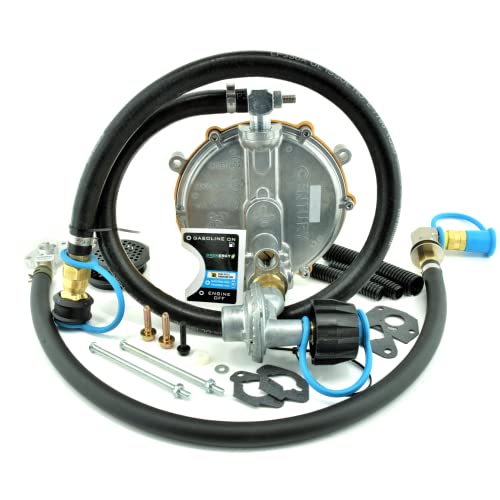
Best for Honda EU2200i and other inverter generators requiring a quick-propane-ready solution with native gas flexibility. The kit is designed to allow easy switching between fuels, with propane often highlighted as the preferred option in emergencies. Caution: verify that your model supports tri-fuel operation without carburetor modification.
Buying Guide
Key considerations when choosing a natural gas kit for your generator:
- Compatibility: Confirm your generator’s model and displacement. Some kits are designed for specific brands or engine families (GX, Honda, Generac, etc.).
- Installation: Determine whether the kit requires carburetor modification or simply uses an existing port. Non-modification options reduce risk and preserve current fuel systems.
- Fuel flexibility: Decide if you need dual-fuel (gasoline + natural gas) or tri-fuel (gasoline + natural gas + propane) capabilities. Tri-fuel options offer the broadest emergency versatility.
- Gas pressure and supply: Ensure your home natural gas line or external supply meets the kit’s pressure requirements and that the line can safely support generator startup loads.
- Durability and weather resistance: For outdoor installations, choose hoses and hoses extensions with weather-proofing and robust connectors to resist elements.
- Maintenance implications: Some kits include gaskets and seals designed to reduce carburetor gumming during long storage. Consider long-term storage needs and seasonal use.
- Safety and local codes: Natural gas connections require proper safety practices and may be subject to local regulations. If in doubt, consult a licensed professional.
FAQ
- What is a natural gas conversion kit for a generator?
A conversion kit enables your generator to run on natural gas by providing a dedicated inlet and appropriate connections, while preserving the ability to run gasoline or propane where supported.
- Do these kits require permanent modifications?
Many kits are designed for non-permanent installation, using existing ports in the carburetor and allowing a quick return to original fuel configurations if needed.
- Can I run a tri-fuel kit on any generator?
Tri-fuel kits increase fuel flexibility but require compatibility with the engine’s carburetor and displacement. Check model-specific guidance before purchase.
- Is a longer gas hose better for outdoor setups?
Yes, longer hoses provide placement flexibility, but avoid excessive length that could introduce pressure drops or leaks. Use certified hoses rated for gas use.
- What safety checks should I perform after installation?
Inspect all hose connections for leaks, test in a well-ventilated area, and verify that the gas supply line remains uninterrupted during operation. Follow manufacturer installation instructions.
- Should I hire a professional for installation?
If you are unsure about gas line work, it is prudent to hire a licensed technician to ensure safe, code-compliant installation.