As an Amazon Associate I earn from qualifying purchases. These links may earn this site a commission when you buy, at no extra cost to you.
PVC and vinyl siding cuts require blades designed for non-ferrous materials and plastics, offering clean finishes with minimal chipping. This guide highlights five blades well-suited for PVC tasks and explains how to choose the right tooth count, coating, and arbor size for miter saw use. Each product section links to its Amazon listing and includes practical considerations to help you compare performance, durability, and value.
| Product | Material Focus | Tooth Count | Arbor | |
|---|---|---|---|---|
| IVY Classic 35056 | Aluminum, Plastic, Vinyl Siding | 200 | 5/8″ | Light gauge plastics and vinyl siding |
| DWT 12″ 40-Tooth | Wood, PVC | 40 | 1.2″ | Crosscuts and general PVC/wood |
| BOSCH DCB1284CD | Composite Decking, PVC | 84 | 1″ | Composite decking and plastics |
| CMT 254.080.10 ITK | PVC, Non-Ferrous Metals | 80 | 5/8″ | PVC and melamine |
| IRWIN Vinyl Siding Blade 7.25″ | Vinyl Siding | 120 | 7 1/4″ | Vinyl siding installation |
Below are detailed product highlights and practical considerations for choosing a blade tailored to PVC tasks, followed by a Buying Guide that compares features across options.
IVY Classic 35056 Swift Cut Blade

The IVY Classic 35056 is a 10-inch blade with a 5/8-inch arbor, designed for cutting light-gauge aluminum, plastic, and vinyl siding up to 1/8 inch thick. It is forged from high-carbon alloy steel and includes guidance to rotate in the direction of arrows to ensure safe operation. For thicker materials, IVY recommends alternative non-ferrous and plastics blades. This blade is a practical option for PVC-related tasks where a smooth, low-resistance cut is essential.
WEN BL1080 80-Tooth Fine-Finish Blade
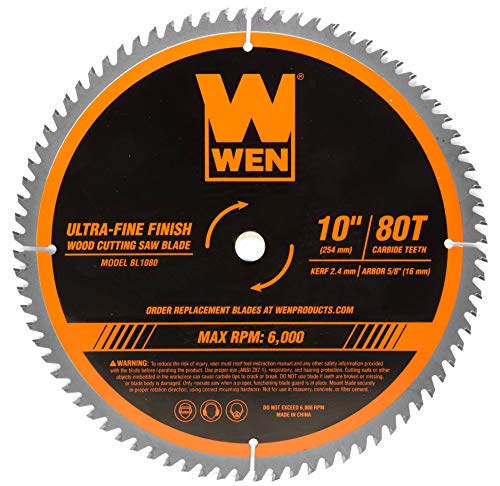
The WEN BL1080 features a 10-inch diameter and a 5/8-inch arbor with an ultra-thin kerf of 1/10 inch, designed for fine finishes. While primarily marketed for wood, its fine tooth count can yield smoother PVC crosscuts with reduced re-cutting. The blade supports up to 6000 RPM, making it suitable for precise PVC work where clean edges are critical.
TOMAX 12-Inch 100 Tooth ITK Blade
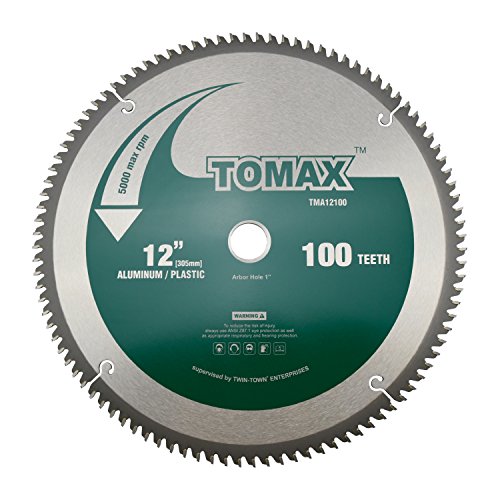
The TOMAX ITK blade is optimized for aluminum, non-ferrous metals, and PVC. It uses carbide teeth for long life and includes an electrophoretic coating to reduce rust and corrosion. This blade is well-suited for heavy-duty PVC crosscuts where a robust, durable edge is needed, and the 1-inch arbor fits many 12-inch miter saws.
DWT 12 Inch 40-Tooth Miter Blade

The DWT 12-inch 40-tooth blade features a 1.2-inch arbor and a kerf of 0.2 inches, designed for secure mounting on miter saws. It emphasizes smooth finishes and reduced vibration, with capability to cut wood and PVC materials efficiently at speed. Laser-cut stabilizer vents help preserve accuracy during long cuts, making it a versatile option for PVC crosscutting within DIY and professional projects.
BOSCH DCB1284CD Boarding Blade
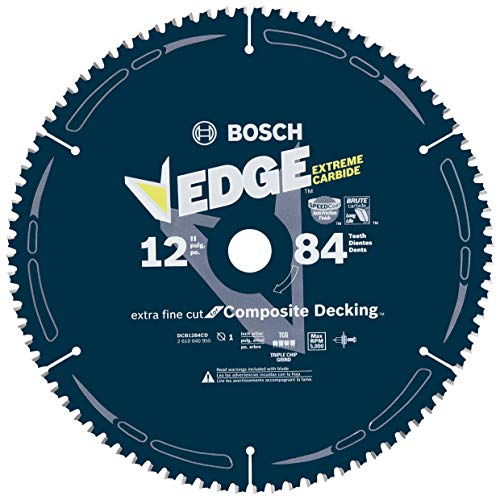
The BOSCH DCB1284CD blade is engineered for 12-inch miter saws and is optimized for composite decking, PVC, and other soft plastics. Its triple chip grind geometry emphasizes efficient material removal and high-quality finishes on abrasive PVC surfaces. The blade’s 84 teeth offer a balance between speed and cut quality for PVC crosscuts and trimming tasks.
CMT ITK 254.080.10 Non-Ferrous Blade

The CMT 254.080.10 ITK blade is designed for non-ferrous metals, PVC, and melamine. With 80 teeth on a 10-inch blade and a 5/8-inch bore, it uses micrograin carbide edges to ensure high performance on PVC and related materials. The blade is suitable for precise PVC cuts where edge quality matters and can be mounted on typical miter saws.
IRWIN Marathon Vinyl Siding Blade

The IRWIN Marathon vinyl siding blade features 120 carbide teeth tailored for vinyl siding cuts. Silicone coating helps reduce pitch buildup, and the tooth geometry is designed to minimize heat buildup, contributing to longer blade life. This blade is purpose-built for vinyl siding installations and can be a solid choice for PVC window and door trim as well.
Buying Guide: Key Considerations for PVC Miter Saw Blades
- Material compatibility: Look for blades labeled for PVC, vinyl, or non-ferrous materials. These blades often feature carbide teeth and coatings that reduce heat and resin buildup.
- Tooth count and geometry: Higher tooth counts (80–120) yield smoother cuts in plastics and PVC, while lower counts (40–60) cut faster and are better for thicker materials or rough crosscuts.
- Arbor size: Ensure the blade’s bore matches your miter saw (common sizes are 5/8″ and 1″). Using the correct arbor improves stability and reduces vibration.
- Kerf: A thinner kerf (0.1″–0.2″) minimizes material waste and reduces load, which is beneficial for plastics. Heavier kerfs can cut faster on thicker materials but create more waste.
- Heat management: Blades with special coatings or geometry help dissipate heat, reducing resin buildup and extending blade life during PVC work.
- Durability vs. cost: For frequent PVC crosscuts, investing in carbide-tipped blades with coatings can offer longer life and cleaner cuts, offsetting higher upfront costs over time.
- Intended use: For vinyl siding, choose blades explicitly designed for siding work; for mixed PVC/plastic tasks, blades marketed for non-ferrous metals or plastics may perform best.
- Maintenance: Keep blades clean and free of pitch. Proper cooling and feed rate help maintain edge quality and prevent premature wearing.
- Safety: Always verify the blade direction arrows, use guards, and wear eye protection when cutting PVC under load or with power tools.
When selecting a blade for PVC work, prioritize blades with carbide teeth, a compatible arbor, and a tooth pattern that minimizes tear-out and heat buildup. For projects involving vinyl siding, you may prefer blades with higher tooth counts for cleaner edges. For crosscuts on PVC trim, a balance of speed and cut quality is essential to reduce chatter and ensure straight, precise results.
In summary, the listed blades provide a range of options from general purpose to PVC-focused. Assess your project needs—cutting frequency, material thickness, and desired finish—and choose a blade that aligns with those requirements. Always follow manufacturer instructions for mounting and operation to achieve optimal results.