
Best Mini Split a/C Made in Usa for 2026
Find top American-made mini split air conditioning options that suit different spaces and budgets. This guide highlights five products chosen for reliability, ease of installation, and compatibility with common refrigerants. Ideal buyers include homeowners upgrading a cooling system, small business owners seeking energy efficiency, and professionals valuing locally produced components.
Summary table of chosen products
| Product | Best For | Key Benefit | Made In |
|---|---|---|---|
| Leak Saver Direct Inject AC Leak Sealer Up To 5 Tons | Systems with refrigerant leaks | Permanent leak sealing, versatile compatibility | USA |
| Leak Saver Direct Inject AC Leak Sealer Small System Up To 1 Ton | Small residential units | Effective for smaller refrigerant charges | USA |
| COSTWAY 12000 BTU Mini Split Air Conditioner & Heater | Medium rooms up to 750 sq ft | Inverter efficiency and year-round comfort | USA (brand); unit assembled abroad (manufacturer notes vary by model) |
| NATIONAL Wire & Cable 14/4 Mini Split Cable | Professional installations | 100% copper conductors; UL/CL rated | USA |
| LifePlus Mini Split Air Conditioner 12000 BTU | Quiet, energy-efficient homes | Inverter efficiency with SEER2 rating | USA (brand) |
Leak Saver Direct Inject AC Leak Sealer Up To 5 Tons

Best for larger residential and commercial systems with minor refrigerant leaks. This US-made sealant reacts with air and moisture at the leak site to form a permanent seal, helping reduce downtime and refrigerant loss. It is designed to work with a wide range of refrigerants (excluding ammonia) and various oils, making it versatile for central ACs, ductless mini-splits, heat pumps, and more. Use caution on automotive applications where standard adapters are still required. Not a substitute for proper charging in systems with large leaks.
Leak Saver Direct Inject AC Leak Sealer Small System Up To 1 Ton

Best for compact spaces or small ductless mini-splits. It permanently seals small leaks and safely circulates in the system to prevent future issues. It supports a broad range of refrigerants and is designed for straightforward installation using basic tools. Limitations include the need for the appropriate charging adapters for some mini-splits during service work.
COSTWAY 12000 BTU Mini Split Air Conditioner & Heater

Better for medium rooms up to 750 square feet, offering year-round comfort with cooling, heating, and multiple operating modes. It features inverter-driven efficiency (20 SEER2 cooling/8.5 HSPF2 heating) and a remote control for easy setup. Choose this if you want strong seasonal performance with energy savings, and you’re comfortable with a unit that may require professional installation for optimal results.
NATIONAL Wire & Cable 14/4 Mini Split Cable
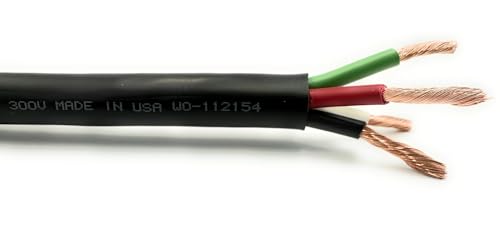
Best for professional installers prioritizing safety and reliability. This 14/4 mini split cable uses 100% pure copper conductors and is CL-rated for compliant HVAC installations. It’s suitable for indoor and outdoor use in ductless systems and supports durable, long-term wiring needs. Avoid this if you’re powering a non-AC application that requires different cable specifications.
LifePlus Mini Split Air Conditioner 12000 BTU

Best for energy-conscious homes needing quiet operation and efficient cooling/heating. This LifePlus model offers 12,000 BTU cooling with a SEER2 rating and an integrated heat pump. It emphasizes inverter technology to modulate output for reduced energy use. Choose this if you want a balance of comfort, efficiency, and relatively low noise. Limitations may include installation considerations in tight spaces.
Buying Guide
What should I consider when choosing a mini split made in the USA?
Space size, cooling/heating needs, and existing ductwork influence unit capacity. Look for energy efficiency ratings (SEER2, HSPF2) and inverter technology for smooth operation and lower energy costs. Consider installation complexity, required adapters for mini-splits, and whether you need refrigerant compatibility across several types.
Which features impact long-term costs?
- SEER2 and HSPF2 ratings: higher numbers mean more efficient performance.
- Inverter-driven compressors: steady output and less wear from cycling.
- Quality refrigerant compatibility: ensure the unit works with R410A, R32, and other common refrigerants.
- Installation hardware: copper conductors and rated wiring simplify professional work and code compliance.
How to compare products effectively?
- Match capacity to room size (BTU per square foot guidance).
- Assess noise levels for bedrooms or nurseries.
- Evaluate warranty, service accessibility, and part availability.
Do leak-sealing products fit standard maintenance?
Leak sealants can help with small leaks and prevent refrigerant loss, but they are not substitutes for thorough diagnostic work or proper charging of larger leaks. Use as a preventative aid or targeted repair in accordance with system specifications and professional guidance.
What about wiring and installation?
For ductless mini splits, professional installation is often recommended. Ensure wiring meets CL ratings and copper conductors are used where specified. The National Wire & Cable option is designed to support compliant installations with robust materials.
Common questions
- What does SEER2 mean for energy bills? It reflects seasonal efficiency; higher is better.
- Are mini splits suitable for retrofits? Yes, especially in spaces without existing ductwork.
- Can I mix brands for components? Some parts are universal, but verify compatibility with refrigerants and electrical specs.
- Is made-in-USA a reliable indicator? It signals domestic manufacturing practices and supply chain considerations, but verify component origins and assembly.
- What maintenance should I perform? Regular filter cleaning, periodic coil checks, and professional servicing as needed.
FAQ
- What is the typical scope of a mini split system? A compact outdoor unit paired with one or more indoor air handlers to condition a room or zone.
- Do leak sealers require ongoing maintenance? They may require monitoring and occasional reapplication if leaks recur, in accordance with guidelines.
- Are these products compatible with all refrigerants? Most are compatible with common refrigerants except ammonia; always confirm refrigerant compatibility before use.
- Can I install a mini split myself? Some kits are DIY-friendly, but professional installation ensures optimal performance and code compliance.
- Do these units work in extreme temperatures? Some models offer outdoor performance in wide temperature ranges; check specific operating specs.
- What maintenance does a mini split need? Coil cleaning, filter replacement, and periodic refrigerant checks by a qualified technician.