As an Amazon Associate I earn from qualifying purchases. These links may earn this site a commission when you buy, at no extra cost to you.
Welding demands steady focus and precise visualization of the arc, molten pool, and weld bead. A quality magnifying lens can improve accuracy, reduce eye strain, and help you catch flaws early. This guide highlights five reliable welding cheater lenses designed to fit a range of helmets without adding weight or obstruction. Each option emphasizes durability, optical clarity, and comfort, so you can choose the best lens for your helmet and welding style.
| Product | Diopter Range | Size | Material |
|---|---|---|---|
| Chapou 5 Pieces Glass Magnification Welding Lens | 1.0–3.0 (five diopters) | 2″ x 4.25″ | Glass |
| TRQWH 2/Pack Welding Helmet Magnifying Lens | 1.0–3.0 (five diopters) | 2″ x 4.25″ | Polycarbonate |
| ARCCAPTAIN 2PCS Welding Cheater Lens 2.0 Diopter | 2.0 | 2″ x 4.25″ | Not specified |
| ARCCAPTAIN 2PCS Welding Cheater Lens 1.5 Diopter | 1.5 | 3.54″ x 4.25″ | Not specified |
| YESWELDER 2 Each Magnification Welding Lens | 2.0 | 3.54″ x 4.25″ | Not specified |
Chapou 5 Pieces Glass Magnification Welding Lens

Chapou offers a five-lens pack, covering multiple diopters from 1.0 to 3.0. The lenses are fashioned from glass for crisp visibility and high hardness, designed to resist breakage while staying smooth and durable. This set aims to provide flexibility for different welding tasks, helping users swap to the appropriate magnification without removing their helmet. Clear optics reduce arc haze and improve control, while the lightweight construction supports comfort during longer sessions. The pack is marketed as an economical solution to extend field of vision across varied welding positions and materials.
TRQWH 2/Pack Welding Helmet Magnifying Lens
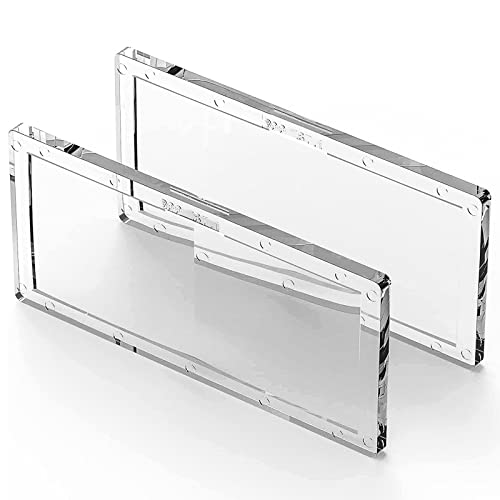
This TRQWH set provides a five-diopter range (1.0/1.5/2.0/2.5/3.0) in a durable polycarbonate lens designed to fit most helmet mounts. The material is described as hard-wearing with a smooth surface, and the lenses are positioned as a lightweight way to upgrade welding visibility without compromising helmet balance. The option is presented as a budget-friendly method to sharpen focus on the arc and molten pool, potentially improving welding accuracy and reducing eye strain during extended jobs.
ARCCAPTAIN 2PCS Welding Cheater Lens 2.0 Diopter

ARCCAPTAIN’s 2.0 diopter pair is designed for quick enhancement of weld visibility. The 2.0 magnification helps welders clearly see the arc and pool, supporting safer and more precise manipulation. The lenses are lightweight (about 0.88 oz), making them easy to mount without adding substantial weight to the helmet. They are described as compatible with most helmet mounts, allowing broad applicability across common brands and models.
ARCCAPTAIN 2PCS Welding Cheater Lens 1.5 Diopter

This ARCCAPTAIN option presents a 1.5 diopter choice, offering mid-range magnification for welders who need a moderate increase in visual detail. The standard size measures 3.54″ x 4.25″, which covers many common helmet slots. Weighing around 1.6 oz, the lens remains light enough for comfortable all-day wear and is straightforward to install, making it a practical upgrade for improving focus on the arc and the weld seam.
YESWELDER 2 Each Magnification Welding Lens
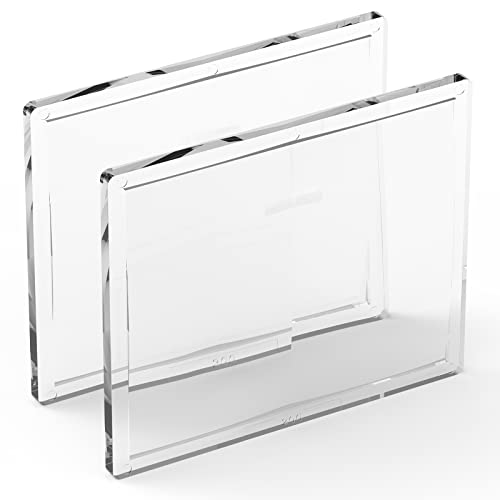
YESWELDER offers a two-lens set with 2.0 magnification, designed for compatibility with most welding helmets. The standard size is 3.54″ x 4.25″, a common dimension that fits many helmet cheek plates and face shields. The lenses are described as lightweight, helping to minimize added strain during long welding sessions while providing clearer detail in the weld area and arc region. This option is positioned as a reliable mid-range choice for regular welders prioritizing visibility without disrupting helmet balance.
SONNLER 3PCS 3.54″ x 4.25″ Magnification Welding Lens

SONNLER provides a 3.54″ x 4.25″ lens set featuring multiple loupes, with a focus on 2.0 magnification in this package. The standard size matches common welding helmets, and the lenses are described as compatible with most large helmets. This kit suits users who want greater flexibility for different welds or tasks, along with a straightforward installation and a balance between magnification and field of view for precise control of the arc and molten pool.
TRQWH Welding Helmet Glass Magnifying Lens
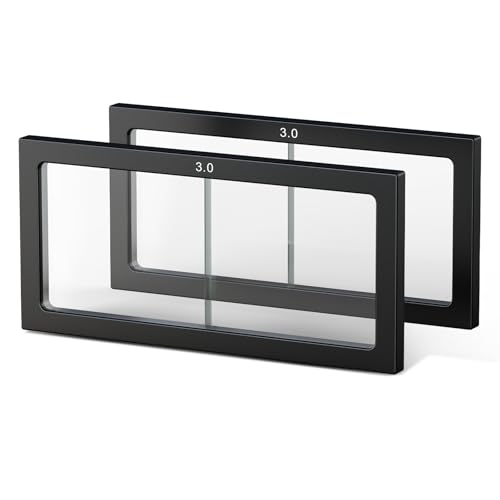
TRQWH’s glass lens variant provides a precise look at the welding arc with a selection of 1.0–3.0 diopters. The glass construction offers strong optical clarity and durability, with a lightweight design to minimize helmet fatigue. The 4.25″ by 2.0″ footprint aligns with standard helmet formats. This option is positioned as an affordable way to elevate weld visibility across a range of helmet models and welding tasks, emphasizing reduced haze and improved focus during the arc and pool inspection.
Chapou 5 Pieces PC Magnification Welding Lens

This Chapou PC-based five-lens kit mirrors the glass variant but uses PC material for lightness and impact resistance. The diopter range covers 1.0 to 3.0, encouraging versatile use across different welding requirements while maintaining safe, clear vision. The PC construction balances durability with reduced weight, which can enhance wearer comfort during extended welding sessions. The set aims to provide economical, flexible options for updating helmet optics and improving arc detail recognition.
Buying Guide: Key Considerations For Choosing Welding Magnifying Lenses
Overview: Welding magnifying lenses, or cheater lenses, enhance vision of the arc, weld pool, and bead. When selecting a lens, consider how it will integrate with your helmet, your typical welding tasks, and the type of protection you require for your eyes.
- Magnification range: Diopter options commonly include 1.0, 1.5, 2.0, 2.5, and 3.0. Start with a mid-range diopter (around 1.5–2.0) if you perform a mix of close and distant tasks; higher magnification is beneficial for precise detailing on small welds.
- Material: Glass lenses offer excellent optical clarity but can be heavier and more prone to shattering under impact. Polycarbonate or PC-based lenses are lighter and impact-resistant, while still providing good visibility. Some users prefer glass for high-contrast viewing in bright conditions.
- Size compatibility: Most helmets use standard 2″ x 4.25″ panels, but confirm your helmet’s compatibility. Taller or wider lenses may not fit certain face shields or mount points.
- Weight and balance: Extra lenses can alter helmet balance. Lightweight options help reduce neck strain, especially during long welding sessions.
- Durability and safety: Ensure the lens material and mounting method securely hold up to welding heat, sparks, and occasional impact. Look for lenses with smooth surfaces to minimize glare and distortion.
- Ease of installation: Lenses that snap in or are easily swapped reduce downtime between tasks. Consider whether you must remove the helmet to change lenses or if a quick-access design is available.
- Maintenance: Glass may require careful cleaning to avoid scratching, while PC lenses can be more forgiving but may scratch more easily with rough handling. Use appropriate lens cleaners and microfiber cloths.
- Helmet compatibility: Confirm the lens kit fits your specific helmet brand and model. Some brands emphasize universal mounting options; others require brand-specific adapters.
- Cost-benefit: A multi-lens pack can be economical if you rotate between diopters or need replacements. Compare the total number of lenses and the per-lens cost to evaluate value.
In practice, welders often choose a mix of diopters to cover both coarse and fine tasks. If you frequently switch between welding positions or work at varying distances, a kit with a broad diopter range and a lightweight build is advantageous. For those prioritizing durability and optical clarity in bright or reflective environments, a glass option with robust mounting may be preferred. Finally, ensure the lenses you select are compatible with your helmet’s mounting system to avoid interference with head protection.