As an Amazon Associate I earn from qualifying purchases. These links may earn this site a commission when you buy, at no extra cost to you.
Choosing the right link belt for a table saw enhances power transfer, reduces vibration, and protects your investment. This guide highlights five top options designed to fit lathes, drill presses, table saws, and other woodworking machines. Each belt uses a PU/ polyester composite for longevity, easy length adjustment, and robust performance under load. Use the buying guide at the end to compare materials, compatibility, and installation considerations to match your saw and work needs.
| Product | Brand | Length | Width | Notes |
|---|---|---|---|---|
| ApplianPar Power Twist V-Belt | ApplianPar | 5 Feet | 1/2 inch | Adjustable link belt; versatile for saws and lathes |
| 5FT Power Twist V Belt 1/2-Inch | Poweka | 5 Feet | 1/2 inch | Durable PU linked belt; many woodworking machines |
| 10FT Power Twist V Belt | Hedday | 10 Feet | 1/2 inch | Longer length; high strength, low elongation |
| 8FT Power Twist V-Belt | Ketofa | 8 Feet | 1/2 inch | Two packs; durable PU/Polymer mix |
| KAKO 3/8″ Power Twist V Belt | KAKO | 5 Feet | 3/8 inch | Adjustable Z-type belt; flexible and strong |
Across the market, these belts share core benefits: adjustable length to fit a variety of machines, durable polyurethane and polyester composite construction, and improved vibration control compared with traditional rubber belts. The following sections provide concise overviews of each product, with a focus on compatibility, installation considerations, and what to expect during operation.
ApplianPar Power Twist V-Belt Overview

The ApplianPar belt is a 5-foot, half-inch wide link belt designed for lathes, table saws, drill presses, and other woodworking equipment. Its polyurethane and polyester composite construction reduces vibration and supports durable operation under load. The belt’s adjustable length makes it suitable for a range of table saws and ancillary machines in home shops or small workshops. This model emphasizes reliable performance in vibration-sensitive setups, which is useful for finish passes and precision cuts where belt stability matters.
Poweka 5FT Power Twist V Belt Overview
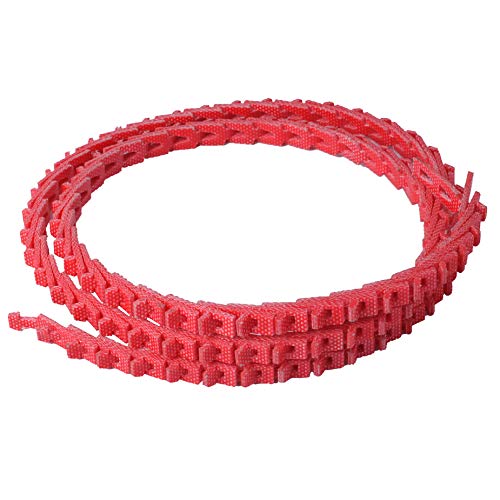
The Poweka 5-foot belt is a 1/2-inch wide adjustable link V-belt designed for wood lathes, table saws, bandsaws, and drill presses. Its PU-linked construction provides durability and resistance to wear, with a design that supports longevity across various woodworking machines. Its adaptability makes it a common choice for users who run multiple tools from a single drive system or who frequently reconfigure belts between machines.
Hedday 10FT Power Twist V Belt Overview

The Hedday belt provides a longer 10-foot length with a 1/2-inch width, offering an adjustable link belt suitable for table saws, lathes, drill presses, and other woodworking machinery. The PU/ polyester composite is built for durability and reduced vibration, delivering a more stable drive over extended workloads. This option is well-suited for users who operate larger or longer belt runs and require extra belt length to avoid tensioning issues during operation.
Ketofa 8FT V Belt Overview

The Ketofa 8-foot belt comes in a two-pack configuration, offering a practical solution for users needing extra length or replacements for tandem drive setups. Built from a PU/polyester composite, it emphasizes durability and reduced vibration in woodworking machines, including lathes, table saws, bandsaws, and related equipment. The longer length helps accommodate larger machines or installations with longer drive paths, contributing to smoother operation and longer belt life.
KAKO 3/8″ Power Twist V Belt Overview

The KAKO 3/8″ Power Twist V Belt is a 5-foot adjustable Z-type V-belt designed for lathes, drill presses, table saws, and sewing machines. Its 3/8-inch top width aligns well with smaller-height pulleys while maintaining a robust belt-to-pulley contact. The polyurethane and polyester composite construction offers durability and low elongation under load, supporting smoother operation with reduced belt wear and less vibration during precision cutting cycles.
Buying Guide
Key considerations when selecting a link belt for a table saw include belt width, length, material composition, and compatibility with your drive system. A 1/2-inch width is common for many hobbyist and mid-sized professional saws, delivering a balance of strength and flexibility. If your workspace includes longer belt paths, a 8-10 foot option can reduce tensioning and improve belt life. PU/ polyester composites generally outperform pure rubber belts in longevity and vibration damping, making them suitable for precision cutting and quiet operation.
Durability and elongation are critical: belts with low elongation maintain consistent pulley alignment under load, which translates to steadier speed and repeatable cuts. When replacing a belt, verify orientation and belt type (link vs. standard V-belt) to ensure proper seating on pulleys and tensioners. For multi-tool workshops, consider belts with interchangeable lengths or two-pack sets to simplify maintenance and reduce downtime during tool changes.
Installation considerations include checking pulleys for wear, ensuring clean contact surfaces, and applying the correct tension per the saw’s manual. Over-tensioning can lead to premature bearing wear, while under-tensioning may cause slipping and vibration. If your saw operates near heavier loads or in vibration-prone environments, prioritize belts with higher durability and lower elongation, even if that means selecting a longer or more robust model. Finally, consider the availability of replacement parts and future compatibility with other machines in your shop to maximize long-term value.
From a performance perspective, users should weigh the benefits of longer belts (like 8–10 feet) against the practicalities of installation and tensioning. Shorter belts can offer easier setup and quicker replacement, while longer belts may provide smoother operation in heavy-duty setups. Across the options listed, the Power Twist design is widely adopted for its balance of flexibility, durability, and vibration control, making it a versatile choice for a variety of table saw configurations.