As an Amazon Associate I earn from qualifying purchases. These links may earn this site a commission when you buy, at no extra cost to you.
Keeping crawl spaces dry is essential to prevent mold, wood rot, and structural damage. A reliable hygrometer provides continuous temperature and humidity readings, alerts you to sudden changes, and helps you decide when to take action. The following five models from trusted brands offer strong performance for crawl spaces, combining durable builds, clear data logs, and practical alert options. Use this guide to compare features and choose the right sensor for your space.
Summary of chosen products
| Product | Brand | Primary Benefit |
|---|---|---|
| Govee Bluetooth Hygrometer Thermometer | Govee | Real-time app alerts and 20-day onboard data storage |
| ThermoPro TP60 Digital Hygrometer Outdoor | ThermoPro | Long 500 ft range for remote monitoring |
| SensorPush HT.w Smart Sensor | SensorPush | Bluetooth with optional gateway for remote access |
| Indoor Outdoor Thermometer by U UNNI | U UNNI | High-accuracy, 330 ft range with multiple sensors |
| Govee WiFi Thermometer Hygrometer H5179 | Govee | WiFi-enabled with app alerts and data storage |
Govee Bluetooth Hygrometer Thermometer

Overview: This compact hygrometer pairs with a smartphone app for real-time temperature and humidity readings. It operates within a 262-foot range in open spaces, allowing you to monitor crawl spaces from a distance. The built-in Swiss-made sensor delivers accuracy to ±0.54°F for temperature and ±3% RH for humidity, with data refreshing every 2 seconds. It also stores up to 20 days of onboard data, and users can export recent records as CSV files, making it easy to track trends over time. The device is designed for sensitive environments where continuous monitoring is critical, and its non-WiFi design minimizes network dependency in remote spaces.
Key implications for crawl spaces: The long range and precise readings help identify moisture sources before they escalate. Onboard data storage provides a local failsafe, while CSV export facilitates long-term moisture trend analysis. Battery-powered operation simplifies placement in tight crawl spaces without wiring concerns.
ThermoPro TP60 Digital Hygrometer Outdoor

Overview: The TP60 extends monitoring to outdoor or crawl space environments with a 500-foot/150-meter range. It supports table-top or wall mounting for flexible installation. Powered by 3A batteries (included), it measures both indoor and outdoor temperature and humidity simultaneously, with a wide range of -4°F to 158°F (-20°C to 70°C) and 10%–99% RH. The device records max/min values and displays trend information to indicate warming or cooling. For crawl spaces, the long range combined with clear history data helps track moisture migration and seasonal shifts that could affect building materials.
SensorPush HT.w Smart Sensor
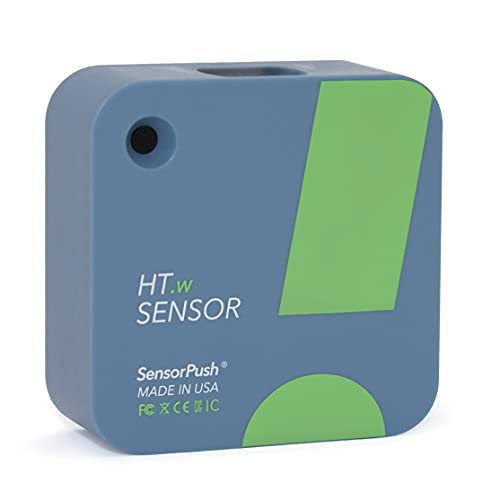
Overview: SensorPush focuses on reliable sensing and easy setup. The HT.w supports outdoor and indoor monitoring with a simple initiation process that takes seconds. Its 100-meter Bluetooth range (line of sight) is typically adequate for small to mid-sized crawl spaces, and the option to add a G1 WiFi Gateway enables remote monitoring beyond Bluetooth range. Battery life is generally long, and the system stores 45 days of onboard data with unlimited in-app storage, plus easy export capabilities. For crawl spaces requiring low-maintenance sensors with strong data-logging, SensorPush offers a practical balance of simplicity and depth.
Indoor Outdoor Thermometer By U UNNI
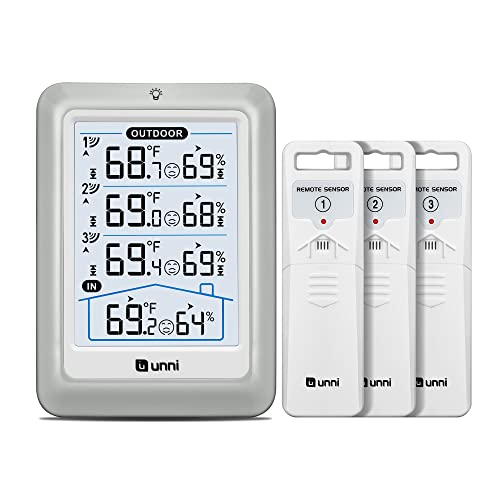
Overview: This unit emphasizes high accuracy and robust wireless data transmission, suitable for crawl spaces. It supports both indoor and outdoor readings with a temperature range of +14.2ºF to +122ºF and an outdoor range down to -40ºF. Humidity ranges from 20% to 95%, with a stated temperature accuracy of ±1.8ºF and humidity accuracy of ±5%. A 328-foot (100-meter) wireless transmission range and 30-second update cadence make it capable of monitoring multiple areas around a house. The device provides daily max/min data and a low battery indicator to ensure continued operation in challenging spaces.
Govee WiFi Thermometer Hygrometer H5179

Overview: H5179 blends WiFi connectivity with app-based alerts and two years of data storage/export. It provides real-time monitoring via the Govee Home app, with 2.4 GHz WiFi support (and Bluetooth for local use). Readings refresh every two seconds, delivering responsive updates to sudden moisture changes in crawl spaces. The alert system can notify you when temperature or humidity strays outside preset ranges, enabling proactive moisture management in less accessible areas of a home. Widget support and remote monitoring are valuable for long-term basement and crawl space maintenance.
Buying Guide: Key Considerations For Selecting A Crawl Space Hygrometer
When choosing a hygrometer for crawl spaces, consider how you will access data, how often readings should refresh, and how long you need the data to be stored. Important factors include connectivity, range, accuracy, durability, and ease of installation. For low-maintenance setups, models with long battery life and straightforward data export are advantageous. If you require remote monitoring from far away, WiFi or an optional gateway can be decisive. For tighter crawl spaces, compact form factors and simple mounting options matter. Below are multiple perspectives to help you balance these needs.
- Connectivity options: Bluetooth-only devices are simple and battery-friendly, but require proximity or a gateway for remote access. WiFi-enabled models offer broader remote monitoring, at the potential cost of slightly more setup.
- Measurement accuracy and speed: For crawl spaces, tighter humidity control matters. Look for sensors with claims near ±1–3% RH and refresh rates of 2–10 seconds to catch rapid changes during rain events or plumbing issues.
- Data logging and export: On-board storage and the ability to export CSVs help in trend analysis, mold risk assessment, and sharing information with contractors.
- Range and coverage: A longer range reduces blind spots under floors and in larger crawl spaces. If you have multiple zones, consider multi-sensor setups or devices that can attach to a gateway for centralized monitoring.
- Durability and mounting: Crawl spaces can be damp and cramped. Choose devices with water resistance, robust housings, and flexible mounting (adhesive pads, magnets, or brackets).
- Power and maintenance: Battery life matters in hard-to-reach spots. Some sensors use standard AA/AAA batteries; others have longer-life designs. Plan for easy battery replacement or rechargeable options.
- Alerting and automation: Consider threshold alerts for humidity and temperature to trigger dehumidifiers, fans, or a contractor’s notice. Some devices support smartphone widgets and automatic data logging for ongoing projects.
- Coverage architecture: If your crawl space connects to other damp areas (basement, garage), a hub or gateway can create a cohesive monitoring network, reducing risk of missed events.
In summary, the ideal crawl space hygrometer offers a balance of reliable sensing, simple installation, clear data access, and practical alerting. Depending on whether you prioritize total remote monitoring, local logging, or quick setup, any of the five options reviewed can fit different homes and climates. Always verify compatibility with your home network, battery availability, and whether a gateway is needed to reach remote areas of your property.