
Best Gas Generator to Propane Conversion Kit Buying Guide
Looking to convert a gas-powered generator to propane or a tri-fuel setup? This guide presents five top options that balance compatibility, safety features, and practical performance. It highlights who each kit is best for and why it stands out, helping you choose with confidence. The picks include 2–5 kW units, mid-range portable generators, and models designed for common brands. Perfect for homeowners, campers, RVers, and emergency backups who want flexible fuel options and cleaner burning with propane.
| Product | Best For | Key Benefit |
|---|---|---|
| YAMAKATO Dual Tri Fuel Carburetor Kit | Honda GX160/Generac/Champion users | Wide compatibility with many engines |
| Tri-Fuel Generator Conversion Kit LPG/Propane/CNG | 2–5 kW portable generators | Three fuel modes, no major modification |
| Impco Tri-Fuel Conversion Kit | Gx630 and similar small engines | Complete tri-fuel options |
| Industrial Tri-Fuel Conversion Kit | Most generators, DIY installers | Low-pressure natural gas compatibility |
| Hutch Mountain Dual-Fuel Propane Kit | Honda EU3000is and RV users | Dual-fuel with propane emphasis |
YAMAKATO Dual Tri Fuel Carburetor Kit

The kit targets Honda GX160/200-class engines and clone variants, with tri-fuel capability for gasoline and natural gas. It includes non-asbestos mounting gaskets and supports a broad range of generators (Generac, Ai power, Ironton, Champion, and more). Choose this if your unit is a common GX160/200 model or a nearby clone and you want reliable tri-fuel operation.
Best for: Homeowners with Honda- or clone-based portable generators seeking flexibility. Limitation: Compatibility is strongest for specific 196cc–224cc Champion models; check engine displacement before purchase.
2-5KW Tri-Fuel Conversion Kit

This kit covers 2–5 kW petrol generators, including Honda 168F compatibility. It enables three fuel modes—petrol, LPG propane, and CNG methane—without altering the core design of the generator. An auto cut-off pressure regulator stabilizes gas flow and shuts off gas when the engine stops, reducing leakage risk. Choose this if you need easy fuel switching and a stable regulator in a compact power range.
Best for: Small-to-mid size portable generators used for home, outdoor, or emergency use. Caution: Actual output depends on the generator’s own quality and fuel purity; performance is not guaranteed by the kit alone.
Impco Propane Tri-Fuel Kit
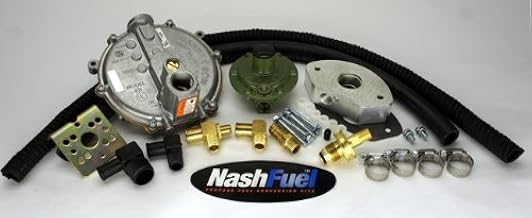
This complete tri-fuel kit supports propane in high or low-pressure modes and natural gas or gasoline. It’s designed to give reliable tri-fuel operation for GX630-class engines and similar models, with attention to high-pressure and low-pressure propane differences. Best for: Users with GX630-based engines needing a straightforward tri-fuel install. Limitation: Documentation emphasizes GX630; ensure your exact engine matches the kit’s supported models.
Industrial Tri-Fuel Conversion Kit

This stainless steel bolt-on kit is designed for industrial-grade use and promises a tri-fuel flow with low-pressure natural gas, propane, or gasoline. Its venturi design aims to simplify installation on many generators without extensive modifications. Best for: DIY installers who want a durable, single-piece kit for multiple fueling options. Caution: Some generator models may require additional adaptations for optimal fit.
Hutch Mountain Generator Propane Conversion Kit

Designed for Honda EU3000is and similar portable units, this dual-fuel kit enables propane and gasoline operation. It’s marketed for home backup, camping, RVs, and general outdoor use, with compatibility for standard 20/30-lb propane tanks and RV quick-connect setups. Best for: RV owners and campers needing a reliable dual-fuel option. Limitation: Primarily targeted at Honda EU3000is and similar models; verify compatibility with your generator model before purchase.
Buying Guide
What to consider when choosing a gas-to-propane conversion kit
Engine compatibility matters most. Check your generator’s model, displacement, and fuel system before selecting a kit. Some kits target specific engine families (GX, Honda, Champion, etc.), while others offer broader compatibility.
Fuel options and safety features
Look for tri-fuel or dual-fuel kits with robust regulators, pressure protections, and automatic shut-off features. A regulator that stabilizes pressure and prevents leaks improves safe routine operation during and after use.
Installation and maintenance
Choose designs that minimize required modifications. A venturi-based kit or one that claims “no modification” is easier to install for beginners. Consider gaskets, mounting hardware, and the ease of long-term maintenance.
Performance expectations
Many kits advertise “no loss of original power.” Real-world results depend on generator quality and fuel purity. If your use case involves high-load scenarios, prioritize kits with strong regulators and proven stability at varied pressures.
Practical buying questions
- Will the kit fit my exact generator model and displacement?
- Does the kit support the propane tank size you plan to use (20/30-lb or larger)?
- Are there any additional adapters or hoses needed for RV use or quick-connect setups?
- What safety features are included to prevent leaks when the engine stops?
- Is professional installation recommended or required for peak compatibility?
Summary of recommended picks
The YAMAKATO kit offers broad GX160/200 compatibility with OEM-like components, making it a strong option for varied Champion and Generac units. The second kit emphasizes strong fuel flexibility across a practical 2–5 kW range and includes a safety regulator. Impco and the industrial kit provide complete tri-fuel solutions for dedicated users who want durability and straightforward installations. The Hutch Mountain option targets dual-fuel convenience for Honda EU3000is and RV setups. Use this guide to align your generator model, preferred fuel type, and installation comfort level.
Frequently asked questions
- Do these kits require professional installation? Some can be installed by capable DIYers; others may benefit from professional help, especially for critical connections.
- Can I use propane with a gasoline engine after conversion? Yes, most kits enable seamless switching between fuels, with no need to run both at once.
- Will a tri-fuel kit reduce power output? Most kits aim to preserve original power; output depends on fuel purity and engine condition.
- Is safety a concern with propane conversion? Proper regulators and leak checks are essential; always follow manufacturer instructions and perform leak tests before first use.
- Are there limitations on tank size or gas pressure? Some kits require specific pressure ranges and tank configurations; verify details for your setup.