As an Amazon Associate I earn from qualifying purchases. These links may earn this site a commission when you buy, at no extra cost to you.
Choosing the right fire alarms for your home is essential for early warning and safety. This guide highlights five reliable options, covering standalone smoke alarms, interconnected models, and multi-function detectors. Each pick focuses on ease of installation, battery life, sensor tech, and user-friendly features to help you pick the best fit for your household.
| Product | Brand | Type | Key Benefit |
|---|---|---|---|
| X-Sense SD2J0AX | X-Sense | 10-Year Battery Smoke Alarm | Low-maintenance, long battery life |
| LSHOME 912-4 | LSHOME | 4-Pack 9V Battery Smoke Alarms | Affordable multi-pack, easy install |
| OLUNCLE 2 in 1 | OLUNCLE | CO & Smoke Alarm | Dual detection in one unit |
| Siterlink GS562A | Siterlink | Hardwired Interconnected 4-Pack | Interconnected protection across rooms |
| Ecoey FJ136GB | Ecoey | Battery-Powered Photoelectric Alarm, 8-Pack | Value-packed, photoelectric for smoldering fires |
X-Sense SD2J0AX Smoke Alarm

The X-Sense SD2J0AX is a basic standalone smoke alarm designed for straightforward protection. It uses a photoelectric sensor and an energy-efficient lithium battery with up to a 10-year lifespan, reducing battery changes and maintenance. The unit focuses on reliable smoke detection with a simple LED indicator and a silence button for temporary nuisance alarms. It does not support wireless interconnection or Wi-Fi, making it suited for single-room installations or apartments where interconnectivity isn’t required. It’s recommended to pair with interlinked models if you need whole-home coverage.
LSHOME 912-4 4-Pack Smoke Detectors
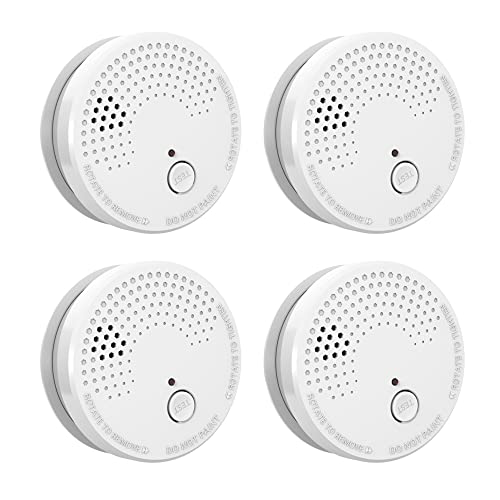
This 4-pack from LSHOME provides an affordable, practical solution for whole-home protection with 9V battery-powered, photoelectric sensors. The detectors emphasize sensitivity to slow-smoldering fires and feature a test button to regularly verify functionality. The photosensitive components and fire-retardant housing help reduce false alarms, while a standard installation process makes it feasible to outfit bedrooms, hallways, and living areas quickly. Battery-powered operation ensures functionality during outages, though interconnection in a larger system would require additional units.
OLUNCLE 2 in 1 CO & Smoke Alarm

The OLUNCLE unit combines carbon monoxide detection with smoke alert in a single device, helping save space and reducing device clutter. It features dual high-stability sensors for improved accuracy and an LCD screen for clear monitoring of gas levels. Though it is battery-powered, the dual-function design makes it a versatile option for kitchens, living areas, and bedrooms. Review the LCD readings and placement guidelines to ensure optimal detection and to minimize nuisance alarms from cooking or humidity.
Siterlink Hardwired Interconnected 4-Pack

This hardwired interconnection kit from Siterlink includes four detectors designed to connect across rooms with a shared alarm signal. The units operate on AC power with a 9V backup battery for outages, and include a test/silence button for maintenance. The interconnected feature ensures that triggering one detector activates all linked devices, improving evacuation speed in multi-story homes. It can support up to 12 connected devices in some configurations, making it suitable for larger layouts and ensuring comprehensive safety across levels.
Ecoey FJ136GB Battery-Operated Photoelectric Alarm
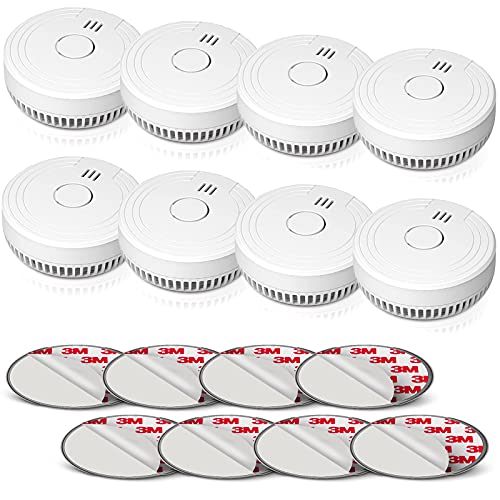
The Ecoey FJ136GB package offers eight compact, photoelectric-based smoke alarms, each with easy installation and a test button. The devices emphasize quick detection of light smoke and smoldering fires, with a visual red LED indicator and audible alert. They are battery-powered and designed for flexible placement—though not hardwired—allowing homeowners to deploy alarms in bedrooms, living spaces, hallways, and stairwells. Regular battery checks and following placement guidelines help ensure consistent performance and reduce nuisance alarms near high-vent area.
Buying Guide: Key Considerations When Selecting Home Fire Alarms
- Detection technology: Photoelectric sensors excel at detecting smoldering fires, while ionization sensors react faster to flaming fires. Many households benefit from dual-sensor (combination) models for broader protection.
- Power source: Battery-powered units are easy to install and function during outages, but hardwired interconnected systems provide broader coverage across rooms. Consider a mix if you have a multi-story home.
- Interconnection: Interconnected alarms wake all alarms when one is triggered, improving evacuation speed. Check compatibility (hardwired vs wireless) and the maximum number of interconnected devices.
- Lifespan and maintenance: Look for 10-year batteries or life-limited units to minimize maintenance. Ensure you can easily test alarms and replace batteries or units as needed.
- Installation placement: Place alarms on every level, near sleeping areas, and in hallways. Avoid kitchens and bathrooms where steam may cause false alarms; use heat alarms in high-heat areas if needed but separate from smoking zones.
- Multi-function options: Units that combine CO sensing with smoke detection save space and provide broader protection, but verify sensitivity and response settings for your home environment.
- Smart features: Wi-Fi or app connectivity enables alerts and location-based notifications. Ensure the device supports your home network and preferred ecosystem (iOS/Android).
- Maintenance plan: Keep a schedule for testing alarms weekly, and battery replacements on an annual or per-manufacturer basis to maintain reliability.
- Emergency ready: Consider adding a dedicated fire extinguisher and a fire escape plan alongside alarms for a comprehensive safety approach.
All listed products are designed to improve home safety by providing early smoke detection and flexible installation options. When selecting a model, balance the need for interconnection, battery life, and the size of the home to achieve best coverage with manageable maintenance.