
Best Electric Motors for DIY Generators: Top Picks for Power Generation
Finding the right electric motor for a generator project involves balancing voltage, speed, torque, and reliability. The following five motors are selected for typical DIY and small-scale generator setups, including wind turbines, hand-cranked systems, and portable power builds. Each option emphasizes durable construction, adaptable rotation, and efficient performance to help you convert motion into usable electricity.
Summary of Selected Products
| Product | Brand | Voltage | Power / RPM | Best For |
|---|---|---|---|---|
| Together-life 12V 30W Permanent Magnet DC Motor | Together-life | 12V | 30W / 3000 RPM | DIY generator projects and simple mechanicals |
| MYFULLY 24V DC 350W Brushed Motor | MYFULLY | 24V | 350W / 2800 RPM | Larger DIY generators and wind turbines |
| HUSETOO High Torque DC Motor | HUSETOO | 12–24V | 30W / 3500–7000 RPM | Medium DIY projects, wind turbines, and gear tasks |
| AeKeatDa 24V PM Electric Motor Generator | AeKeatDa | 24V | 250W (specs vary by unit) | Small generators and wind-up devices |
| YaeTek 24V DC PMA Motor | YaeTek | 24V | 350W / maybe higher depending on setup | Wind turbine PMA and versatile generator projects |
Tighter Torque: 12V 30W Permanent Magnet DC Motor
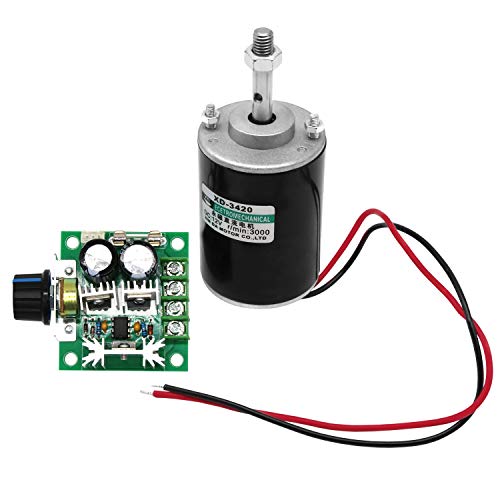
The Together-life DC motor is a compact, permanent magnet motor designed for low to moderate power DIY projects. It runs at 12V and delivers up to 30W with a typical speed around 3000 RPM. Its small size makes it suitable for miniature generator builds or educational demonstrations that require steady, predictable rotation. The motor supports CW/CCW operation depending on wiring, and it is compatible with simple speed control modules for experimentation in small wind-up or pedal-powered generators.
MYFULLY 24V DC Brushed Motor For Generators

The MYFULLY 24V DC motor offers higher output (350W) and a robust 2800 RPM rating, making it well-suited for mid-sized DIY generators or wind turbine projects. Its aluminum body with copper windings supports efficiency and durability, while a reversible rotation feature allows for flexible installation. This motor pairs with efficient controllers that manage torque and heat generation to maximize generator performance over longer run times.
HUSETOO High Torque DC Motor for DIY Projects

HUSETOO offers a versatile 12–24V motor with high torque and a 30W rating at 12V or 7000 RPM at 24V. Its rounded shaft and solid construction make it suitable for compact wind turbines, small machinery, and DIY generators where torque rather than sheer speed is critical. The motor’s ability to run CW/CCW and its sturdy shaft design simplify integration with gear systems and load-bearing assemblies in generator builds.
AeKeatDa 24V PMA Generator Motor

AeKeatDa presents a 24V permanent magnet PM motor designed for small generators and light industrial tasks. With a 24V rating and copper windings, this unit emphasizes reduced heat and improved torque, making it a practical choice for compact wind turbine PMA setups, small electric generators, and compact winding machines. Applications span from gardening equipment to hobby power projects, where dependable start-up and steady RPM are desired.
YaeTek 24V DC PMA Motor for Wind Turbine

YaeTek’s 24V DC PMA motor is designed with wind turbine and generator applications in mind. It targets PMA-based setups where a permanent magnet rotor is coupled to a generator stage. Its 24V rating and robust construction support consistent performance in variable wind or manual cranking scenarios. Installation typically benefits from multiple mounting holes and compatible shaft dimensions for easy integration with pulleys or gearboxes.
Buying Guide: Key Purchase Considerations
Voltage and speed must align with your generator design. Higher voltages typically yield more electrical power at the same current, but require appropriate regulators and controllers to manage heat. Torque is critical for wind turbine and hand-cranked systems; motors with higher torque at the operating RPM reduce stall risk and improve reliability.
Consider motor construction and cooling. Aluminum bodies and copper windings generally offer better durability and efficiency, while sealed designs help in damp or dusty environments. If your project requires reversible rotation, ensure the motor supports CW/CCW operation without complex wiring changes.
Compatibility with controllers and gear systems matters. Choose motors that work with common PWM speed controllers and motor drivers, and verify shaft diameter and length to fit pulleys, gearboxes, or couplings. Some units include robust shafts suitable for locking accessories, which helps when assembling wind turbines or small generators.
Educational and safety considerations are important for DIY projects. For learners, kits such as the Dowling Magnets set (not in this top five) can help with magnetic theory and practical motor-generator demonstrations. Always observe proper insulation, secure mounting, and caution around rotating parts.
Performance varies with load and operating conditions. If your generator will face intermittent loads or wind variability, prioritize motors with higher peak torque and efficient heat management. For compact handheld or pedal-powered builds, smaller motors with predictable RPM curves can produce stable voltage suitable for charging small batteries or powering LED arrays.