
Best Electric Baseboard Heaters With Remote Control for Easy Comfort
Finding the right electric baseboard heater with a remote or smart controls helps you save energy, tailor comfort to rooms, and manage heating from anywhere. This guide highlights five top options suited to different home setups—from smart thermostats that work with voice assistants to reliable convection heaters with simple remotes. Whether you’re decorating a bedroom, office, or living area, these picks balance control, safety, and efficiency. The table below summarizes the five products and who they’re best for.
| Product | ||
|---|---|---|
| Mysa Smart Thermostat LITE for Electric Baseboard Heaters | Tech-savvy homes; 7-day scheduling | WiFi control, home assistants, energy savings |
| Comfort Zone CZ600 Electric Baseboard Heater | Medium rooms; simple, reliable heating | Two heat settings; safety features |
| Cadet Baseboard Heater Ul 500 W | Small to mid-size spaces; floor mounting | 900 sq ft coverage; remote included |
| GiveBest Electric Wall Heater | Versatile mounting; 3-in-1 controls | WiFi, remote, touch controls; ECO mode |
| meross Smart Thermostat for High-Voltage Baseboard | High-voltage systems; multi-brand smart home | Matter-compatible; remote scheduling |
Mysa Smart Thermostat LITE for Electric Baseboard Heaters
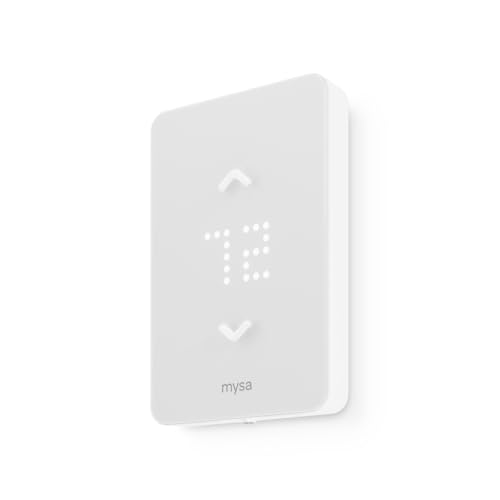
The Mysa LITE is a WiFi-enabled thermostat designed for electric baseboard systems operating at 120V–240V. It supports 7-day scheduling and works with Apple HomeKit, Amazon Alexa, and Google Home for hands-free temperature control. Best for tech-forward homes that want vacation- and away-from-home temperature management, plus potential energy savings through programmable routines. A limitation is that it requires a connected WiFi network and compatible baseboard wiring.
Comfort Zone CZ600 Electric Baseboard Heater

Designed for medium-sized rooms, this 1500W convection baseboard heater offers two heat settings and an adjustable thermostat for customizable comfort. It prioritizes safety with a tip-over switch, stay-cool surface, and overheat protection. It’s a solid, budget-friendly choice for spaces where quiet, consistent heat is desired. Best for straightforward heating without smart integration; consider this if you prefer a reliable, simple setup without WiFi features.
Cadet Baseboard Heater Ul 120 V/4.17 A White 30″ 500 W

This Cadet unit provides 500W of convection heat suited for spaces up to about 1,710 sq ft. It is designed for easy floor mounting and can be installed as a pair for flexible placement. It includes a remote for quick adjustments. Best for smaller rooms or add-on heating where a simple, non-smart option is acceptable; plan for placement to maximize coverage given the unit’s wattage.
GiveBest Electric Wall Heater with Remote

The GiveBest heater combines WiFi control, remote, and touch panel for flexible operation. It supports three heating modes and ECO optimization for energy efficiency. It’s suitable for rooms where wall mounting is preferred and remote or app control improves daily use. Best for users who want an all-in-one control experience and the ability to preheat or schedule from a distance. A potential limitation is reliance on app connectivity for full functionality.
meross Matter Smart Thermostat for Electric Baseboard
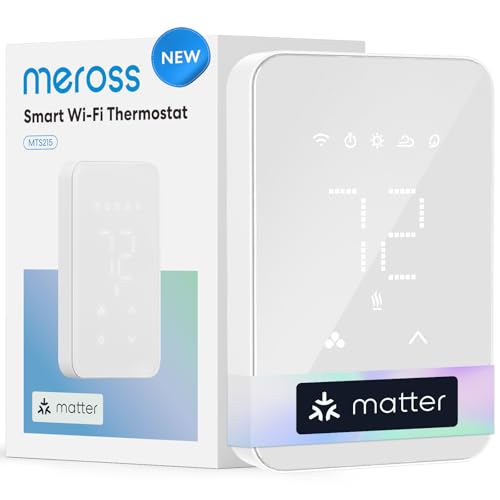
This Meross thermostat targets high-voltage baseboard systems with Matter compatibility for cross-brand smart home integration. It supports Alexa, Apple HomeKit, Google Home, and SmartThings, enabling voice and app control. Best for homes seeking multi-brand compatibility and future-proof smart home integration. A caution: ensure you have the required four-wire setup and that your system is compatible with high-voltage configurations.
Buying Guide
What should I consider before buying an electric baseboard thermostat?
Assess your current baseboard wiring (high voltage 120V–240V versus low voltage). Verify the number of wires needed and whether a neutral or second live wire is present. Consider whether you want WiFi-enabled control, voice assistant compatibility, and scheduling features to save energy.
Smart vs. non-smart options
Smart thermostats offer remote control, scheduling, and energy monitoring, ideal for busy households or vacation setups. Non-smart heaters are simpler, often cheaper, and reliable when you don’t need remote access. Choose smart for energy savings and convenience, or non-smart for straightforward heating reliability.
Room size and wattage
Match heater wattage to room size to avoid under- or over-heating. Typical sizing ranges: 500–1000W for smaller rooms, 1000–1500W for medium rooms, and higher for larger spaces with better insulation. Check that the unit can deliver consistent heat for the intended space.
Safety and installation considerations
Look for tip-over protection, overheat sensors, and stay-cool surfaces. Confirm whether floor-mount, wall-mount, or both are supported. Some units require professional wiring, especially high-voltage installations.
Energy savings and scheduling
Programmable schedules and adaptive display features can reduce energy use. If you want automatic adaptation to your routines, choose models with 7-day or 24/7 scheduling and adaptive brightness or display features for nighttime use.
Compatibility with smart home ecosystems
Check whether the thermostat works with your preferred platforms (Apple HomeKit, Amazon Alexa, Google Home, SmartThings, or Matter). Multi-brand compatibility provides flexibility for future smart home expansion.
Frequently Asked Questions
- Do baseboard heaters need a thermostat? A thermostat controls setpoint temperatures, optimizing comfort and energy use for electric baseboard systems.
- Can you install a smart thermostat on any baseboard heater? Most high-voltage baseboard systems are compatible, but wiring and power requirements vary. Verify voltage, wire count, and compatibility before purchase.
- Is remote control necessary for baseboard heaters? Remote control adds convenience and scheduling capabilities, but basic operation can be done with manual thermostats or thermostats mounted near the heater.
- Will these thermostats work with my existing smart home? Many models support common ecosystems (Alexa, Google, HomeKit, SmartThings, Matter). Confirm compatibility with your devices and hubs.
- How do I choose the right wattage? Baseboard wattage should align with room size and insulation. Larger rooms or poorly insulated spaces require higher wattage; smaller rooms need less.
- Are there safety concerns with remote-controlled baseboard heaters? Safety features like tip-over protection, overheat sensors, and stay-cool surfaces reduce risk. Follow installation guidelines and use approved mounting options.