As an Amazon Associate I earn from qualifying purchases. These links may earn this site a commission when you buy, at no extra cost to you.
When selecting Class 2 chainsaw boots, professionals prioritize protection, comfort, durability, and grip. The right pair should offer reliable chainsaw cut resistance, waterproofing, slip resistance, and long-lasting materials for daily use in forestry and logging. Below are five top-rated options that balance safety and comfort, along with a buying guide to help you compare features and fit for your job.
| Product | Brand |
|---|---|
| Viking Class 2 Ultra Flexible Chainsaw Boots | Viking |
| ARBORTEC Scafell Lite Cobalt Waterproof Class 2 | ARBORTEC |
| ARBORTEC Scafell Lite Lime Green Class 2 | ARBORTEC |
| Pfanner BOA Chainsaw Boot, Class 2 | Pfanner |
| HAIX Protector Ultra Signal Red Chainsaw Boots | HAIX |
Viking Class 2 Ultra Flexible Chainsaw Boots
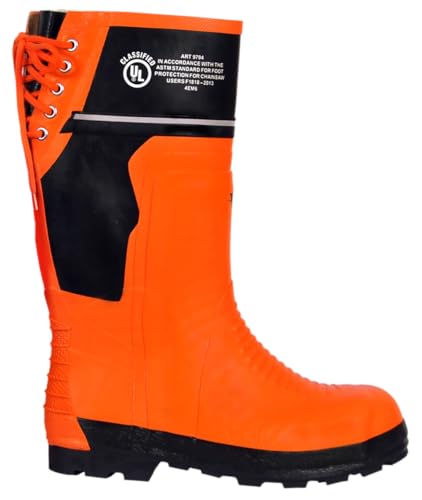
The Viking boots provide Class 2 chainsaw protection with a mid-level protection rating of 24 m/sec and EN ISO 17249:2013 compliance. They feature a highly chemical-resistant upper made from heavy-duty SBR blended natural rubber and a cotton canvas lining for durable comfort on demanding jobs. The deep NBR lug soles are designed to shed water and provide reliable grip on icy or slippery surfaces. The boots are compatible with ice studs, making them suitable for mixed terrain forestry work. These attributes offer a balanced blend of protection and traction for professionals who work across varied environments.
ARBORTEC Scafell Lite Cobalt Waterproof Class 2

ARBORTEC Scafell Lite Cobalt delivers a well-rounded Class 2 protection profile with 24 m/s capabilities. It emphasizes a stable yet flexible fit, designed for professionals in forestry and arboriculture. The boot is waterproof and uses a “Breathe Dry” system to enhance breathability, helping keep feet dry during long shifts. A note for buyers: these boots tend to run small, so consider ordering a half size up to ensure comfortable toe box space and overall fit for daily wear.
ARBORTEC Scafell Lite Lime Green Class 2

This lime-green variant shares the same stability-versus-flexibility philosophy as the cobalt model. It offers Class 2 protection at 24 m/s and emphasizes breathability through its moisture-wicking design. The boots are waterproof to keep feet dry in wet conditions and are suitable for forestry tasks that involve prolonged exposure to damp environments. Fit guidance remains to consider a half-size up if you are between sizes, to ensure adequate room for thick socks during cold seasons.
Pfanner BOA Chainsaw Boot, Class 2

Pfanner’s BOA-Class 2 boot integrates a specialized fit system that distributes pressure evenly, reducing pressure points during long wear. The BOA Fit System enables quick tightening and loosening, which helps workers avoid entanglement risks associated with traditional laces. It is marketed as the lightest Class 2 chainsaw boot in Pfanner’s lineup, combining weight savings with robust protection for professional climbing and fieldwork. Tightening precision and easy adjustment make these boots appealing for users who adjust gear frequently on a worksite.
HAIX Protector Ultra Signal Red Chainsaw Boots

HAIX offers Class 2 chainsaw protection with a robust safety profile. These boots feature European bullhide leather and an extra layer of cut-resistant material, providing extended protection against chainsaw contact. Certifications include ASTM F2413 and CAN/CSA Z195, covering toe, puncture, and electrical hazards up to 18 kV. The design places emphasis on toe safety and overall comfort, with reinforced rubber at the toe and heel for added durability. This makes HAIX a strong option for continuous use in challenging environments.
Buying Guide: Key Considerations For Class 2 Chainsaw Boots
- Protection Level: Look for boots with Class 2 designation and a clear performance rating (e.g., 24 m/s) for chainsaw protection. Verify compliance with ASTM/EN standards relevant to your region.
- Fit And Sizing: Some models run small or have narrow fits. If between sizes, consider half sizes or trying the width options. For lace-free systems like BOA, ensure easy adjustability with gloves on.
- Materials And Durability: Prioritize rubber or leather uppers with cut-resistant linings and reinforced midsoles. A durable outsole with deep lugs improves traction on wet or icy surfaces.
- Waterproofing And Breathability: Waterproofing helps foot health in damp conditions, while breathable linings prevent excessive sweating on long shifts. Balance both features to maintain comfort.
- Comfort Features: Removable insoles, shock-absorbing layers, and gusseted tongues reduce debris entry and enhance long-term comfort during extended use.
- Weight And Mobility: Lighter boots reduce fatigue but must still provide adequate protection. Consider the balance between weight and rigidity for climbing or walking on uneven terrain.
- Maintenance: Rubber uppers benefit from cleaning to maintain slip resistance and chemical resistance. Leather options require conditioning to extend life and maintain flexibility.
- Safety Certifications: Check for slash protection, steel toe or composite toe, and electrical hazard ratings if your worksite includes electrical risks or heavy impacts.