
Best Cabinet Power Supply Options for Safe, Organized Setups
Looking for a reliable cabinet power supply to keep electronics, locks, or LED lighting running smoothly? This guide highlights five top options that fit a cabinet or locked enclosure, offering built‑in protection, clean mounting, and easy wiring. Each pick targets different needs—from secure access control to LED strip power—so you can choose what works best for your cabinet project and buyer intent.
Summary table
| Product | Best For | Key Benefit | Voltage/Current |
|---|---|---|---|
| Power Supply Control SP1205B | Door access systems | NC/NO outputs with surge and over-current protection | DC 12V / 5A |
| WINIT 16A Arcade Power Supply | Arcade cabinets and game installations | Multiple DC rails (+5V, +12V, -5V) for varied devices | DC 5V/16A, 12V/4A, -5V/1A |
| EShine 24W 12V DC Power Supply | LED under-cabinet lighting | Compact 24W with 12V output; includes long cord | 12V / 2A |
| Litever 12V DC 3A Power Supply | LED strips and 12V cabinets | UL listed, built‑in protections | 12V / 3A |
| Amtake Universal Power Supply | DIY projects with adjustable voltage | Variable 3–24V; wide compatibility | DC 3–24V, up to 3A |
Power Supply Control SP1205B (DC12V/5A)

The SP1205B is designed for door access and cabinet control systems, with adjustable NC/NO outputs to drive locks or relays. It provides surge protection and over‑current protection to safeguard connected devices in a compact metal cabinet. Best for cabinet projects requiring secure access control or door hardware integration. Limited by its separate battery option; battery not included, which means you’ll need to provide backup power externally if required.
WINIT Arcade Switching Power Supply
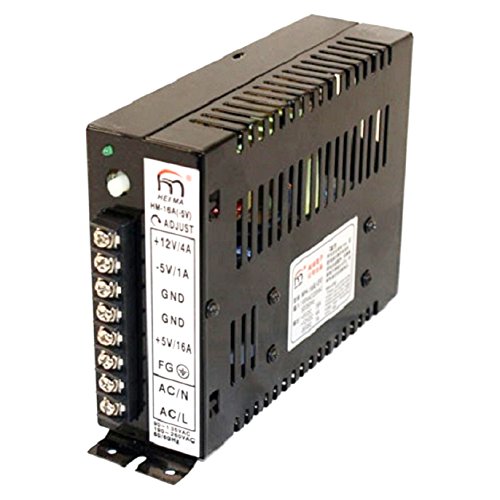
Best for game cabinet setups or any system needing multiple DC rails. This supply provides +5V, +12V, and -5V rails to support a variety of devices such as arcade boards, displays, and control electronics. It is compact for cabinet installations but note that the multiple rails may require careful wiring and amperage planning to avoid overload. Choose this if your cabinet hosts several powered components that require distinct voltages.
EShine 24 Watt 12V DC Power Supply

Best for under‑cabinet LED lighting projects. This unit provides a solid 12V DC output with 2A capacity and includes a long cord for easy routing inside a cabinet. It’s a straightforward, compact solution when lighting is the primary load. Caution: Ensure your LED bars match 12V DC input to avoid compatibility issues.
Litever 12V DC 3A Power Supply
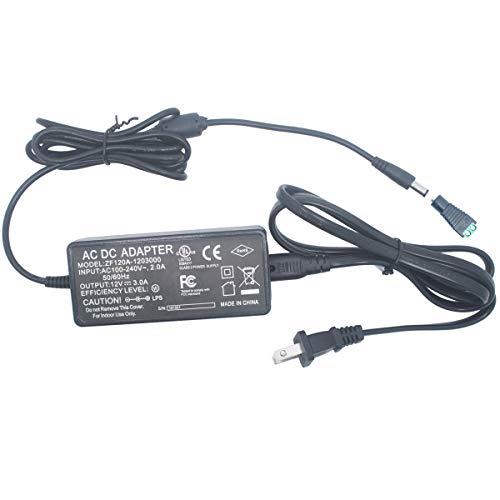
Best for LED strip projects and cabinet lighting that require a dependable 12V source. The Litever supply is UL listed with built‑in short circuit and over‑temperature protections. Suitable for LED kits and other 12V appliances in a cabinet. Limitation: If you’re running high‑draw devices simultaneously, verify total current stays within 3A to avoid tripping protections.
Amtake Universal Power Supply

Best for versatile DIY cabinet projects needing adjustable output. This supply supports a wide voltage range (3–24V) with up to 3A current and a rotary voltage knob for precise control. It’s a flexible choice when you expect variations in device voltages inside the cabinet. Caution: For high‑power devices, total current should be monitored to prevent overheating.
Buying Guide: Cabinet Power Supply Considerations
- Voltage and current requirements: Match the DC voltage (e.g., 12V) and current rating to the cabinet devices (locks, LEDs, controllers). Overloading can cause failure or nuisance tripping.
- Protection features: Look for short‑circuit protection, over‑current protection, surge protection, and thermal monitoring to prevent damage inside enclosed spaces.
- Form factor and mounting: Choose compact, rackable, or cabinet‑mount designs with secure cable routing to keep assemblies tidy.
- Output rails: Some cabinets need multiple rails (e.g., +5V, +12V, -5V). Decide if a single‑rail supply suffices or if a multi‑rail unit is necessary.
- Reliability and safety standards: UL or equivalent listings improve safety and compatibility with household electronics.
- Backup power considerations: If you need power during outages, select a supply with built‑in battery support or plan for an external UPS backup.
- Compatibility and cables: Verify connector types (5.5×2.1mm vs 3.5mm x 1.35mm) and wire gauge for your load and cabinet wiring practice.
Frequently Asked Questions
- What voltage do most cabinet power supplies use? Most common cabinet supplies use 12V DC, but some LED lights and controllers may require 5V or 24V. Always verify device specifications before purchasing.
- Do I need a power supply with multiple outputs? If you have devices with different voltage needs (locks, LEDs, controllers), a multi-rail supply is beneficial; otherwise a single 12V supply may be enough.
- Can I mount a power supply inside a cabinet? Yes. Ensure adequate ventilation and keep heat sources away. Use proper cable management to avoid loose wires.
- What safety features should I look for? Short‑circuit protection, over‑current protection, thermal protection, and surge protection help protect both the power supply and cabinet components.
- Is it okay to use a universal adjustable supply for fixed 12V devices? It can work if you set a stable 12V output and monitor current. Prefer dedicated 12V supplies for consistent performance.
- How do I verify compatibility with LED lighting? Check the LED’s input voltage (usually 12V DC) and current draw; ensure the supply can provide at least that wattage with headroom for stability.