As an Amazon Associate I earn from qualifying purchases. These links may earn this site a commission when you buy, at no extra cost to you.
Finding an effective indoor bug zapper involves balancing powerful insect kill capability with safety for family and pets. The products below focus on 20W–4200V zappers that are designed for indoor use, with features like protective grids, IP ratings, and energy-efficient LEDs. Each option is chosen for reliability, ease of use, and coverage suitable for typical American homes.
Summary of Selected Products:
- ASPECTEK Insect Killer, 20W—Indoor Fly Zapper with replacement bulbs; safe mesh and chemical-free design.
- Dickinda Electric Bug Zapper—Indoor/Outdoor, 4200V; versatile for home, garden, and camping; up to 1000 sq ft coverage.
- Buzbug LED Bug Zapper Indoor Outdoor—10-year lifespan; dual-color LEDs; 2100 sq ft indoor coverage.
- Raindot Bug Zapper Outdoor/Indoor—4200V; IPX4 waterproof; 15W UVA lamp; versatile for indoors and outdoors.
- Jawlark Bug Zapper Outdoor—4200V; IP44 waterproof; 5ft cord; suitable for patios and kitchens.
ASPECTEK Insect Killer: Powerful 20W Indoor Zapper
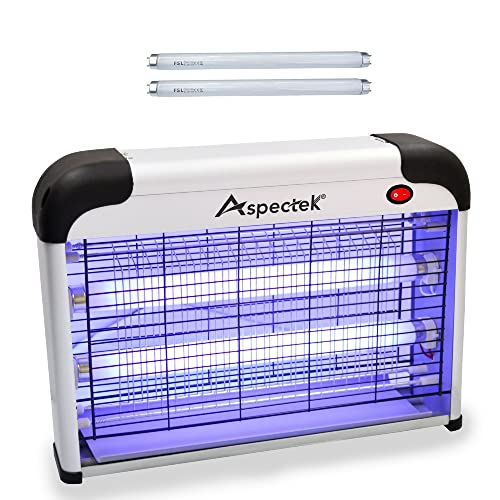
The ASPECTEK Insect Killer is designed for indoor use, combining two UV light bulbs and a high-voltage grid to attract and eradicate flying insects such as flies, moths, and mosquitoes. Its safe mesh screen prevents accidental contact with the electrified grid, making it suitable for households with children and pets. This model emphasizes a pesticide-free approach by relying on a high-voltage kill grid rather than chemical sprays. The product is positioned for rooms like kitchens, living areas, and home offices where quiet operation and safety matter, while delivering reliable insect control without traps or sprays.
Dickinda Electric Bug Zapper Indoor/Outdoor

The Dickinda model is marketed as a 4200V high-powered zapper suited for both indoor and outdoor use. It features a 365 nm UV-emitting bulb and a 4200V grid to lure and kill a wide range of flying insects. Its design includes a hanging ring for easy placement on trees, porches, or walls, expanding potential use to yards and patios in addition to indoor rooms. With a stated coverage area up to 1000 sq ft, this unit can handle larger living spaces and outdoor gatherings, though performance can vary with ambient conditions and insect populations.
Buzbug LED Bug Zapper Indoor Outdoor

The Buzbug model emphasizes LED-based attraction with dual-color LEDs emitting 365 nm and 395 nm wavelengths, reported to boost insect attraction by about 30%. It uses an upgraded high-voltage grid to deliver a rapid electric shock, and its design claims a long lifespan and replaceable lamps. Waterproof construction and a relatively long cord support flexible placement for both indoor living areas and outdoor spaces like patios or balconies. This zapper targets mosquitoes, flies, moths, and other nighttime pests and is positioned as a low-maintenance option for homes with pets and children in mind.
Raindot Bug Zapper Outdoor/Indoor

Raindot’s bug zapper is designed for both indoor and outdoor use with IPX4 waterproofing and a 15W UVA lamp to attract insects. The galvanized steel grid provides a robust kill mechanism at 4200V. A hanging ring adds placement versatility for porches, decks, or kitchen corners. The unit is marketed as safe for family use and effective against a broad range of flying insects, combining weather resistance with a compact form factor suitable for patios and indoor rooms that require pest control without chemical sprays.
Jawlark Bug Zapper Outdoor: 4200V Indoor/Outdoor

The Jawlark zapper delivers 4200V of electric kill power with an 18W UV attractant, designed for both indoor and outdoor use. Its IP44 waterproof shell allows operation in sheltered outdoor areas such as patios and kitchens, while its 5-foot power cord provides flexible placement. The product emphasizes safety with a protective housing to prevent accidental contact and targets a variety of flying insects, including mosquitoes, gnats, and moths, through a physical kill mechanism rather than chemical attractants.
Buying Guide: Key Purchase Considerations
When selecting an indoor bug zapper, consider how the device fits your space, safety needs, and typical insect pressures. Here are practical factors to compare:
- Electric grid voltage and lamp wavelength: Higher grid voltage (e.g., 4200V) and UV light in the 365–395 nm range improve attraction and kill efficiency, especially for mosquitoes and gnats.
- Indoor safety features: Look for protective mesh screens, sturdy housing, and certifications. A design that prevents direct contact with the live grid reduces risk for children and pets.
- Ventilation and odor: Zappers are pesticide-free but produce dead insects in the unit. Choose models with easy cleaning and minimal odor in living spaces.
- Water and weather resistance: For rooms with high humidity or covered outdoor areas, IP ratings (like IPX4 or IP44) indicate safer operation in damp environments.
- Coverage area: Determine the device’s effective range (e.g., 500–1000+ sq ft) to match room size or patio space. Larger areas may require multiple units or a model designed for outdoor use.
- Power source and placement: Consider cord length and whether the unit supports hanging or wall mounting. A longer cord increases placement flexibility for kitchens, balconies, or entryways.
- Maintenance and bulb life: LED-based models can offer longer lamp life and lower maintenance, but bulbs are still replaceable in several models. Factor replacement costs and frequency.
- Noise level and aesthetics: Quieter operation is preferable in bedrooms and study areas. Sleek, unobtrusive designs blend with home decor.
- Safety for pets and kids: Choose products with enclosed grids and protective barriers. Check for EPA or other safety registrations if available.
Choosing the right bug zapper involves balancing space, safety, and insect pressure. For small-to-medium rooms, a 20W to 42W indoor unit with a protective grid is typically adequate. For patios or rooms with high mosquito activity, models rated for outdoor use or with IP waterproofing provide additional resilience against humidity or rain.