As an Amazon Associate I earn from qualifying purchases. These links may earn this site a commission when you buy, at no extra cost to you.
Choosing the right batteries for carbon monoxide detectors ensures continuous protection, especially during power outages. The following five products are among the most relevant battery-powered CO detectors and combos, designed to alert you to dangerous CO levels with dependable battery backup. Below you’ll find quick product highlights, a buying guide, and practical considerations for selecting the best option for your home.
| Product | Brand | Battery Type | Key Advantage |
|---|---|---|---|
| Kidde Carbon Monoxide Detector, Battery Powered CO Alarm with LEDs | Kidde | 2-AA batteries (included) | Low-battery indicator and reliable electrochemical sensor |
| First Alert CO400 Carbon Monoxide Detector | First Alert | Battery powered | Advanced electrochemical CO sensor with continuous monitoring |
| First Alert Combination Smoke & Carbon Monoxide Alarm, Battery Operated | First Alert | Battery operated | 2-in-1 protection with reduced nuisance alarms |
| Kidde Carbon Monoxide Detector, Plug in Wall with AA Battery Backup | Kidde | Plug-in 120V with AA backup | Power during outages with simple installation |
| Lecoolife 2 Pack 10 Year Battery Operated Smoke and CO Detector | Lecoolife | 10-year built-in battery | Long-life power with optional 3rd-party backup as needed |
Kidde CO Alarm With Battery Power
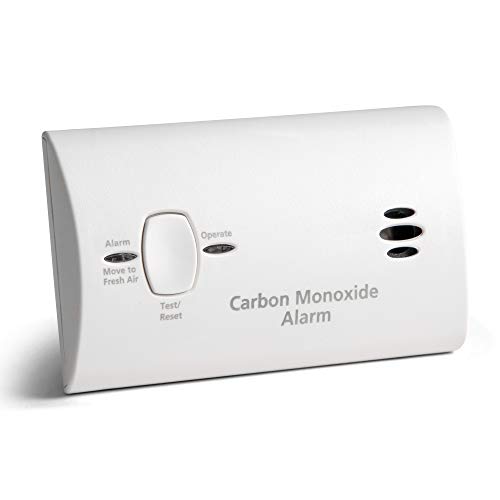
The Kidde Carbon Monoxide Detector operates on 2 AA batteries, providing essential detection during power failures. It features an electrochemical sensor to identify CO gas and delivers an 85-decibel alarm with a visible red LED to indicate dangerous levels. The device can be wall-mounted or placed on a tabletop, and a green LED shows power status. This model is helpful for quick installation in bedrooms and living areas where continuous protection is desired despite outages.
First Alert CO400 Battery CO Detector
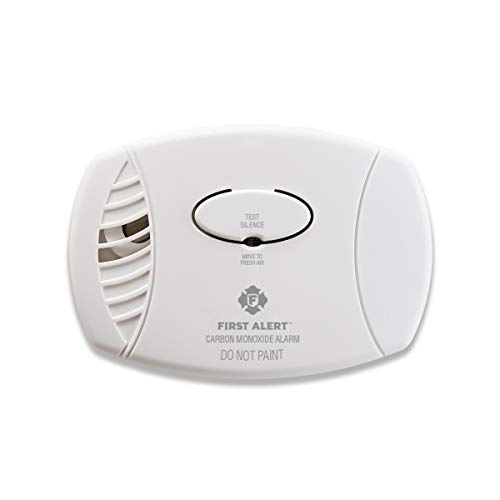
First Alert CO400 provides continuous battery-powered protection, ensuring monitoring even during power outages. It uses an electrochemical CO sensor to accurately detect CO levels in any room placement. The unit emits a loud 85-decibel alarm when CO exposure is detected, helping occupants respond promptly. Battery replacement is straightforward, and the device is designed for simple placement without wiring.
First Alert 2-in-1 Smoke And CO Alarm

This 2-in-1 battery-operated alarm protects against both smoke and carbon monoxide. The Precision Detection technology helps reduce nuisance alarms while delivering timely warnings for home fire emergencies. The device is easy to install, with a straightforward battery replacement process. It provides a reliable, consolidated approach to monitoring multiple hazards from a single device.
Kidde Plug-In CO Detector With Battery Backup
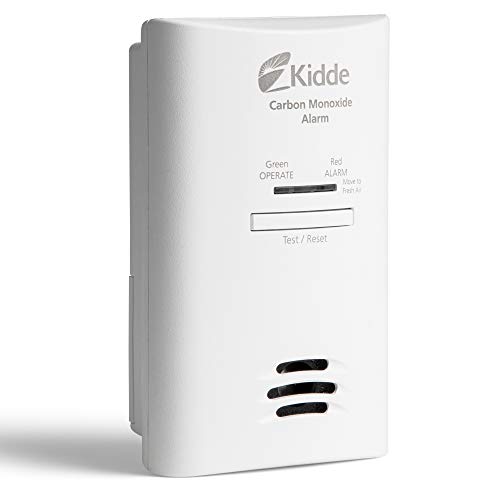
This Kidde model plugs into a standard 120V outlet and includes a 2-AA battery backup to maintain protection during outages. It emits an 85-decibel alarm when carbon monoxide is detected and offers easy installation for bedrooms, hallways, or living areas. The built-in back-up battery lets the detector stay active when the power grid temporarily fails.
Kidde Portable Battery-Operated CO Alarm
This portable Kidde CO detector uses 2 AA batteries and includes an electrochemical sensor for CO detection. It’s designed for flexible placement on a tabletop or wall and provides a visual green power indicator along with an 85-decibel audible alert and a red CO indicator when danger is detected. A practical option for temporary or rental spaces where hard-wired detectors aren’t feasible.
Lecoolife 10-Year Battery CO Detector
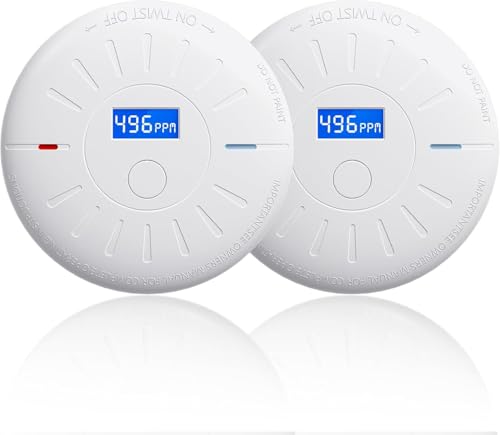
The Lecoolife combo detector uses electrochemical CO sensing with a 10-year battery life, designed to minimize maintenance and monitoring interruptions. It features a built-in end-of-life signal to indicate replacement timing and supports a broad detection range suitable for most home environments. The device prioritizes long-term reliability with a user-friendly test/silence functionality to manage alarms effectively.
Buying Guide: Choosing The Right Battery-Powered CO Detector
- Sensor technology: All five options use electrochemical sensors for CO detection. This technology is generally more accurate and less prone to false alarms than some older sensor types.
- Power backup: Battery backup options ensure protection during outages. Consider detectors with 9V, AA, or replaceable lithium batteries depending on your preferred maintenance schedule and installation location.
- Combination devices: If you want protection for both smoke and CO, consider combination alarms that provide multi-hazard monitoring in one unit. They can reduce nuisance alarms and simplify installation.
- Installation: Plug-in models offer simplicity but require access to an outlet, while battery-only units provide flexibility for placement in rooms without outlets. Consider wall-mount versus tabletop placement based on room layout.
- Durability and maintenance: Look for units with a long service life, clear audible alerts, replaceable batteries where applicable, and an end-of-life indicator to signal replacement timing.
- Placement guidance: Install detectors on every level of the home, outside sleeping areas, and near sleeping spaces. Avoid placing them in kitchens or garages where cooking fumes or vehicular emissions could trigger false alarms.
- Testing and silence features: Regular testing ensures operability. A test/silence button is helpful for temporarily silencing non-emergency alarms without disabling the device.
- Brand support: Reputable brands with accessible replacement parts and clear warranty terms can ease ongoing maintenance and safety assurance.
For optimal safety, keep at least one CO detector on each level of your home and near sleeping areas. Regular battery checks and prompt replacement after battery indicators or end-of-life signals help maintain continuous protection against carbon monoxide exposure.