As an Amazon Associate I earn from qualifying purchases. These links may earn this site a commission when you buy, at no extra cost to you.
Choosing an effective anti-static coating for plastic surfaces helps reduce dust attraction, fogging, and static cling across dashboards, electronics enclosures, and display cases. This guide highlights five top options, balancing ease of use, residue control, and protective performance. Each product section includes key features, application notes, and real-world considerations to support an objective comparison for American buyers seeking reliable plastic protection.
| Product | Brand | Type | Main Benefit |
|---|---|---|---|
| MG Chemicals 826 Static Off | MG Chemicals | Antistatic cleaner (aerosol) | Zero residue, reduces dust/contaminants |
| Techspray Zero Charge | Techspray | Ready-to-use coating | ESD protection, easy application |
| A-Plex Anti-Static Cleaner | Corrosion Technologies | Aerosol cleaner/polish/protectant | All-purpose anti-static surface care |
| FOLLOWIN Plastic Restorer | FOLLOWIN | Plastic restorer with ceramic coating | Long-lasting, hydrophobic protection |
| Adam’s Total Interior Cleaner & Protectant | Adam’s Polishes | Interior cleaner with SiO2 protection | Anti-static, UV protection, multi-surface |
Note: All selections aim to minimize static buildup on plastic surfaces while preserving clarity, readability, and finish quality. Availability and packaging may vary by seller and region.
MG Chemicals 826 Static Off Antistatic Cleaner

MG Chemicals 826 Static Off is a one-application antistatic cleaner designed to be safe on all substrates. It claims zero residue, enabling quick handling after application. The product specifically reduces the attraction of dust and airborne contaminants, which helps keep plastics clearer and less prone to cling while maintaining surface integrity.
Techspray Zero Charge Ready-to-Use Coating

Techspray Zero Charge is a ready-to-use anti-static coating labeled for ESD protection. The product is sold as a single sale unit and is designed for easy application, offering a straightforward option for users who want a dependable anti-static barrier without complex prep work or mixing.
Corrosion Technologies A-Plex Anti-Static Cleaner

A-Plex 19 oz aerosol from Corrosion Technologies is marketed as an all-purpose anti-static cleaner for clear plastic transparencies including Plexiglas, Lexan, Lucite, and related surfaces. It highlights its suitability for aircraft windshields, helmets, boat hatches, protective films, and COVID barriers, with a focus on reducing static and repelling dust and fingerprints across delicate finishes.
FOLLOWIN Plastic Restorer

FOLLOWIN Plastic Restorer combines ceramic coating with a restoration formula for unpainted plastic trim. It claims long-lasting results, with a focus on creating a darkened, showroom-like appearance and durable protection that resists rain and aging. The product emphasizes a non-greasy, streak-free finish and repeated use over time for extended longevity.
Adam’s Polishes Total Interior Cleaner & Protectant
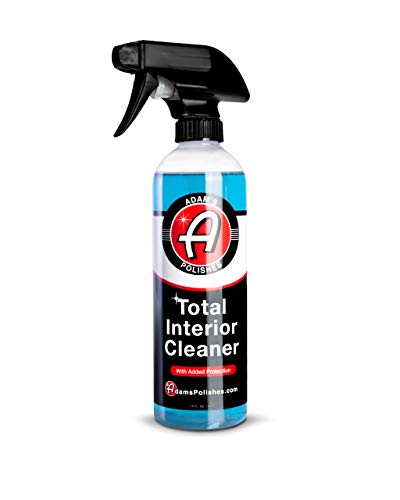
Adam’s Total Interior Cleaner & Protectant combines water-based, non-silicone protection with SiO2 chemistry. It includes odor encapsulation, UV absorbers, and anti-static dust repellency. This multi-surface formula is designed for dashboards, vinyl, plastics, glass, and more, while aiming to maintain a factory-like finish and reduce dust adhesion.
Adam’s Polishes Interior Cleaner & Protectant Kit

This two-pack of Adam’s interior cleaner and protectant adds additional convenience for larger vehicles or households. It emphasizes anti-static properties, UV protection, and a ceramic-infused formula designed for safe use on leather, vinyl, plastics, glass, and fabrics, with an emphasis on easy maintenance and long-lasting cleanliness.
Buying Guide: Key Purchase Considerations For Anti-Static Coatings On Plastic
When selecting an anti-static coating for plastic, consider surface type, application method, residue behavior, and durability. The following perspectives help balance protection, ease of use, and long-term value:
- Surface compatibility: Some coatings are formulated for all substrates, while others target clear plastics or acrylics specifically. For display cases, windshields, or instrument panels, choose products marketed as safe for clear polymers to avoid yellowing or hazing.
- Residue and finish: A zero-residue or non-greasy finish helps prevent fogging and smudges. If a product leaves a detectable film, it may require additional cleaning or may attract more dust in some environments.
- Durability vs. reapplication: Ceramic or SiO2-based coatings offer longer-lasting protection but may require more careful application. Aerosol sprays can be quick to apply but might wear faster in high-dust settings.
- Ease of use: Ready-to-use formulas reduce preparation time. Aerosol cans are convenient for quick treatments, while liquid bottles or kits may suit systematic detailing routines.
- Environmental and safety considerations: Opt for formulations with low volatile organic compounds (VOCs) if indoor air quality is a concern, and ensure compatibility with any electronic components if used near devices.
- Application context: For automotive interiors, in-home electronics, or display cases, assess whether the product is designed for dashboards, plastics, vinyl, or multi-surface use to prevent unintended effects on textures or finishes.
- Maintenance plan: Short-term coatings may require more frequent reapplication, while long-lasting ceramic options can reduce upkeep. Plan for routine cleaning intervals to maintain anti-static performance.
In practice, most users prioritize residue-free performance, minimal impact on clarity, and predictable reapplication intervals. Testing a small area before full coverage helps verify compatibility with delicate plastics, coatings, and anti-static properties. Always follow label directions and ensure proper ventilation during application.