
Best Aerator Tank Float Switches for Automatic Water Management
The right aerator tank float switch automatically starts or stops your pump based on water level, helping prevent overflow or dry-running. This guide highlights five reliable options for varying applications, from aquarium aeration to sump and bilge pumping. Best fits include DIY hobbyists, homeowners maintaining basins, and small commercial setups seeking simple, dependable automation.
| Product | Best For | Key Benefit |
|---|---|---|
| Parts2O FPW217-180B | Aerator tanks with troubleshooting needs | Piggyback plug for quick troubleshooting and manual operation |
| Float Switch, Normally Closed, 120/230VAC (Rhombus) | Basic AC applications | Simple normally closed action for straightforward control |
| Float Switch for Sump Pump – 13A | Sump or ground water pumps | High-precision with Honeywell micro switch |
| PumpSpy Sump Pump Tethered Switch | Universal replacements | Gold-plated contacts and piggyback plug |
| WASSERMANN Vertical Float Switch | Vertical installations | 10 ft cord and durable waterproof design |
Parts2O FPW217-180B Tank Float Switch

This float switch activates a pump when the aerator tank runs low, making it ideal for aquaculture setups or hobbyist aeration systems. It includes a piggyback plug for troubleshooting and manual operation, which helps users diagnose system faults without replacing components. The normally-closed contacts ensure the pump remains off until water level rises, providing a simple fail-safe mechanism.
Who this is for: small aquaculture or hobbyist aeration systems needing a compact, easy-to-wire control. Why selected: straightforward operation, built-in manual testing, and compatibility with typical 120V or 230V circuits. Caution: verify compatibility with your pump’s amperage and wiring method to avoid overloading the switch.
Float Switch, Normally Closed, 120/230VAC

This entry-level float switch offers a simple normally closed mechanism for basic control of pumps and aeration systems. Suitable for homes or light-duty installations, it provides dependable on/off switching at common line voltages. It’s best for users who want a cost-effective switch with straightforward wiring.
Best for: basic aquarium or small water-tanking setups with standard AC power. Why selected: affordable, uncomplicated operation. Caution: ensure the switch’s amperage rating matches the pump to prevent overheating or premature wear.
Float Switch for Sump Pump – 13 Amps
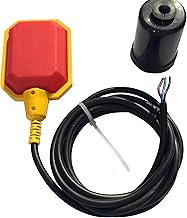
This float switch uses a Honeywell micro switch for high precision and longevity, with a non-corrosive polypropylene housing rated up to 13 amps. It is designed to control water flow into or out of tanks or valves and works well in environments with suspended solids, reducing overflow risks.
Who this is for: homeowners or small facilities managing sump or bilge pumps. Why selected: durable construction and higher current rating. Caution: ensure compatibility with your piping and installation height to maintain reliable sensing in variable water levels.
PumpSpy Sump Pump Tethered Universal Switch

Designed as a universal replacement, this tethered float switch features a piggyback plug and 10-foot cord for flexible installation. It uses gold-plated electrical connections for durability and resistance to wear, and operates with a normally open contact configuration suitable for many pump setups.
Best for: users needing a reliable, universal replacement with adaptable wiring. Why chosen: modular design and practical for quick swap-outs during maintenance. Caution: verify that the normally open configuration matches your system’s control logic and safety interlocks.
WASSERMANN Vertical Float Switch

This vertical float switch features a 10-foot cord and a piggyback plug compatible with many common water pump plugs. Its 125V AC rating and 16A capacity support heavier loads, while the waterproof housing ensures durable operation in humid environments. The float ball tolerates water temperatures up to high levels, making it suitable for basins and outdoor setups.
Who this is for: installations needing a vertical mounting option with robust performance. Why selected: strong current rating and long cord for flexible placement. Caution: ensure the vertical orientation aligns with your tank geometry to prevent misreadings or stuck switches.
Buying Guide
What should you consider when choosing an aerator tank float switch?
Power rating and compatibility: Match the amperage and voltage to your pump to avoid overheating. Consider whether you need 120V or 230V operation.
Mounting and wiring: Decide between vertical or tethered designs based on tank layout and access. Piggyback plugs are convenient for testing and maintenance.
Sensor type and response: Normally closed vs. normally open configurations affect how the pump responds to water level changes. Choose based on safety logic and fail-safe requirements.
Durability and materials: Look for non-corrosive housings (like polypropylene) for wet environments and temperature tolerance appropriate to your water. Consider IP ratings for splash zones or outdoor use.
Ease of replacement: Universal or modular designs can simplify replacements during maintenance windows. Check if the switch supports quick swaps without rewiring.
How do I install a float switch safely?
Power off all electrical circuits before wiring. Use proper strain relief and waterproof connectors. Confirm that the switch actuates at your target water level and avoids frequent cycling, which can shorten pump life.
Common use cases
Aeration tanks in aquaculture or home setups: maintain oxygenation without overflow. Sump basins: manage rainfall or groundwater inflow. Bilge and water tanks: ensure pumps operate only when needed to conserve energy and reduce wear.
What are typical limitations to expect?
Some models have limited current ratings or may require specific pump connections. Piggyback plugs may not fit all plug types, so verify compatibility. In very dirty or solid-laden water, you may need debris protection or a different sensor type.
FAQ
- Q: Do float switches work with all pumps?
- A: They work with many pumps, but you should verify the switch’s amperage rating and the pump’s load to prevent overload.
- Q: What is a piggyback plug used for?
- A: It supports quick testing, troubleshooting, and manual operation without rewiring.
- Q: Are normally closed switches safer?
- A: Normal-closed configurations keep the pump off until water rises, offering a simple fail-safe in many setups.
- Q: How long do float switches typically last?
- A: Longevity depends on usage, water quality, and electrical load; high-quality switches with corrosion-resistant housings tend to last longer in wet environments.