As an Amazon Associate I earn from qualifying purchases. These links may earn this site a commission when you buy, at no extra cost to you.
A well-chosen abrasive blade can dramatically improve cutting speed, accuracy, and blade life when working with metal and non-metal materials. This guide highlights five top-rated circular saw blades that balance durability, versatility, and cost for American DIYers and professionals. Each option is evaluated for alloy compatibility, tooth design, and ease of use to help you pick the right blade for metal cutting, aluminum, plastic, and other common substrates.
Summary of Selected Products
| Product | Brand | Blade Size | Main Use |
|---|---|---|---|
| DeWalt DW3511 7-Inch X 1/8-Inch Metal Abrasive Blade | DEWALT | 7″ x 1/8″ | |
| Benchmark Abrasives TCT 7-1/4″ Non-Ferrous Metal Cutting Blade | Benchmark Abrasives | 7-1/4″ | |
| Benchmark Abrasives TCT 6-1/2″ Metal Cutting Blade | Benchmark Abrasives | 6-1/2″ | |
| Milwaukee 5 Pack – 7 Inch Cut Off Blades | Milwaukee | 7″ (3/32″ thick) | |
| IVY Classic 40088 Swift Cut 10-Inch Blade | IVY Classic | 10″ |
DeWalt DW3511 7-Inch X 1/8-Inch Metal Abrasive Blade

The DeWalt DW3511 blade features an aluminum oxide grain designed for a longer cutting life and faster action on metal. It includes a diamond knockout arbor compatible with worm drive saws and a proprietary material blend to sustain durable, long-life performance. This blade is suitable for heavy-duty metal cutting tasks and works well across ferrous metal surfaces, providing steadier cuts with less vibration.
Benchmark Abrasives TCT 7-1/4 Inch Blade

This tungsten carbide tipped (TCT) blade is built to cut non-metals including aluminum, brass, copper, PVC, and fiberglass. With a robust carbide tip composition, it maintains a clean, burr-free finish and extended blade life even on tougher material piles. The blade is designed to fit miter saws and other compatible circular saws from multiple brands, delivering reliable performance for everyday metal and non-metal projects.
Benchmark Abrasives TCT 6-1/2 Inch Blade

Designed for metal cutting, this 6-1/2 inch TCT blade is optimized for durability and precision. Tungsten carbide tips help maintain sharpness for long-term use, while the blade’s construction ensures clean, burr-free cuts when slicing through ferrous metals. It is compatible with typical miter and circular saw configurations, making it a practical choice for professional shop settings and home workshops.
Milwaukee 5 Pack – 7 Inch Cut Off Blades

This Milwaukee set includes five 7-inch cut-off blades designed for metal and stainless steel work. The blades are thin (3/32″) for fast, straight cuts with minimal burr, offering a balance of speed and control. They are compatible with grinders and 7.25″ circular saws and are noted for high cutting speeds and improved productivity in demanding metal-cutting applications.
IVY Classic 40088 Swift Cut 10-Inch Blade
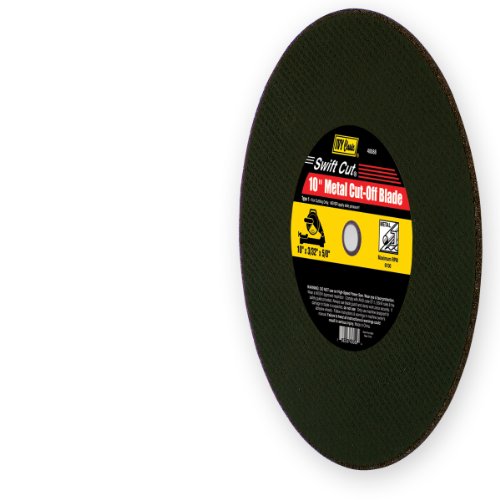
IVY Classic’s Swift Cut blade uses resin-bonded aluminum-oxide grain designed to accelerate metal cutting. The 10-inch, 3/32-inch thick blade is built for fast action on steel, angle iron, and sheet metal, with a fiberglass-reinforced blade construction for enhanced durability and safety. It’s a solid choice for larger cut-off tasks requiring extended reach and robust performance.
Buying Guide: Key Purchase Considerations
When selecting an abrasive blade for a circular saw, consider the following factors to optimize performance and safety:
- Material compatibility: Choose blades rated for metal, aluminum, PVC, or composites depending on your project. Carbide-tipped blades excel on non-ferrous metals; aluminum oxide blades perform well for ferrous metals and mixed substrates.
- Tooth geometry and density: Fewer teeth with thicker gullets cut faster in metal, but may produce rougher edges. Higher tooth counts yield smoother cuts but slower feed rates. Carbide tips extend blade life in demanding cuts.
- Blade size and arbor compatibility: Match blade diameter to your saw (7″, 7-1/4″, 10″, etc.) and ensure arbor compatibility with your tool’s shaft.
- Cut type and thickness: Thinner blades (e.g., 3/32″) cut faster but may bend on tough metals; thicker blades offer durability for heavy cutting.
- Arbor lock and arbor hole design: Some blades require special arbors or adapters (e.g., diamond knockout arbors). Verify compatibility with worm-drive or side-winder saws.
- Durability features: Look for carbide-tipped teeth for longevity, resin bonds for safer breaking-in, and reinforced bodies for safety and stability during operation.
- Safety and vibration: Blades with vibration-reduction features and robust body construction help maintain control and reduce user fatigue.
Usage Scenarios and Performance Perspectives
For DIY metal cutting, blade sets with mixed-metal capabilities can simplify tool inventory and reduce blade swaps. Professionals cutting stainless steel or cast iron may prioritize carbide-tipped blades with robust coatings. For aluminum or non-ferrous plastics, blades designed to reduce burrs and prevent clogging help achieve cleaner finishes. Always follow manufacturer guidelines for speed ratings and cutting conditions to maximize blade life and cut quality.
Additional Notes
Prices are not listed in this guide. All blades are presented with their primary intended use and notable design features. When selecting blades, consider your typical materials, saw type, and preferred balance between speed and finish quality to determine the best blade for your needs.