
Best 315 Watt CMH Bulbs for Indoor Grow Lights: Full Spectrum Options for Veg and Bloom
For indoor growers seeking strong light quality and high PAR for vegetative and flowering stages, 315W ceramic metal halide (CMH) bulbs are a strong option. The top picks below are best for different setups and goals, including full-spectrum performance, spectrum balance, and compatibility with common fixtures. This guide helps buyers choose the right CMH bulb for their grow space and plant type.
| Product | Best For | Key Benefit |
|---|---|---|
| GRUOTVSZAK CMH 315W 3000K / 4200K | Vegging and multi-spectrum growers | Balanced spectrum with high PAR output |
| GRUOTVSZAK CMH 315W 3000K / 4200K 625μmol | Flavorful flowering growth | Higher blue content and strong red output per watt |
| FLILED Horticulture CMH 315W 4000K | General horticulture with Sun-like spectrum | Longer life and safe design |
| PROTOPIA CMH 315W 4000K | Vegetative and flowering with full spectrum | No Kr85 and non-dimmable |
| Philips Master CMH 315W 3100K | High-efficiency performance | Excellent PAR efficiency and lumen maintenance |
GRUOTVSZAK CMH 315W 3000K / 4200K 590μmol Full Spectrum

Product highlights: High PAR PPF at 590 μmol/s. Full spectrum support for vegging with UVA content. Safe, compatible PGZX18 base with double jacketed bursting-proof design. Best for growers needing strong vegetative growth with a balanced spectrum.
Best for: Veg growers and those prioritizing balanced spectrum for vigorous vegetative growth. Choose this if you want a solid mix of wavelengths to support strong stems and healthy leaves. Caution: Ensure fixture compatibility with the PGZX18 base and observe low-frequency recommendations for certain setups.
GRUOTVSZAK CMH 315W 3000K / 4200K 625μmol Full Spectrum

Product highlights: Higher output at 625 μmol/s with a spectrum balanced for both blue and red accents. Designed to stimulate antioxidants and flavonoids with robust red light output per watt. Safe and compatible base and bursting-proof design.
Best for: Flowering-focused grows that benefit from elevated PAR and richer red light. Choose this if you want a fuller spectrum that may enhance flavor and plant health. Caution: For some fixtures, verify compatibility with the double jacketed design and low-frequency recommendations.
FLILED Horticulture CMH 315W 4000K
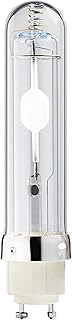
Product highlights: The safest CMH bulbs with NRC licensing for safety in horticulture. 4000K spectrum closely resembles natural noon sunlight, supporting vegetative growth with potentially reduced grow cycle length. Durable external glass sleeve containment adds protection.
Best for: Growers seeking a safe, Sun-like light for vegetative stages and a durable bulb design. Caution: Data notes safety licenses; confirm fixture compatibility with the bulb’s base and sleeve design.
PROTOPIA CMH 315W 4000K

Product highlights: 315W full spectrum grow light with 4000K color temperature for vegetative growth and flowering. No Kr85 usage and non-dimmable design. Suitable for multi-stage grows seeking consistent light output.
Best for: Growers wanting a straightforward, non-dimmable 4000K CMH option with full-spectrum coverage. Caution: Check fixture compatibility and ensure non-dimmable operation aligns with your ballast capacity.
Philips Master 3100K GreenPower Elite Agro CMH
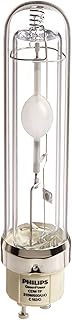
Product highlights: High PAR output with 1.95 PPF per watt and 3100K color temperature. High color rendering (CRI 92) and strong initial lumens. Fast run-up time and good lumen maintenance with extended use.
Best for: Growers prioritizing efficiency and photo-quality light, especially where color accuracy matters in plant development. Caution: This option is a high-output choice—ensure your fixture and space can safely handle the wattage and heat.
Buying Guide
What should I look for in a 315W CMH bulb?
Key factors include spectrum balance (veg vs. bloom emphasis), PAR output (PPF), base compatibility (PGZX18 or similar), and physical design (double jacketed sleeves for safety). Consider the intended stage of growth and fixture compatibility with low vs. high-frequency ballasts.
Which CMH bulb is best for veg vs. flowering?
For veg-focused growth, bulbs with balanced or blue-heavy spectra (around 4000K) often support strong vegetative growth. For flowering, bulbs with robust red output and higher overall PPF can encourage bud development. Some bulbs offer mixed spectra to support both stages, reducing the need for changes between phases.
How important is the bulb’s safety and build?
CMH bulbs with double jacketed sleeves and NRC licensing emphasize safety for humans, animals, and the environment. Choose bulbs with protective sleeves if your space has high humidity, dust, or proximity to occupants.
Does bulb choice affect grow space heat?
Yes. CMH bulbs produce more heat than some LED options. Ensure adequate ventilation and distance from canopy to manage temperatures. The fixture’s ballast compatibility can influence heat and electrical load.
What about spectrum specifics like UVA or UVB?
Some CMH bulbs include UVA output to support plant antioxidant production and flavonoids. If these aspects matter for your crop, look for bulbs that advertise UVA content in their features.
Is it necessary to replace bulbs at the same time?
Consistency matters for uniform growth. If you run multiple fixtures, replacing bulbs in a staggered manner can help maintain even light quality across your canopy.
How do I verify compatibility with my fixture?
Check the base type (for example PGZX18) and confirm the ballast compatibility, fixture size, and minimum/maximum operating frequencies recommended by the bulb manufacturer.
Common pitfalls to avoid
- Using a bulb with incompatible base or ballast can reduce light output or damage equipment.
- Ignoring heat management may reduce bulb life and plant health.
- Relying solely on lumen ratings without considering PAR can misrepresent actual plant-usable light.
Quick reference: buying considerations
- Stage-specific spectrum needs (veg vs. bloom).
- Fixture and ballast compatibility (base type and frequency).
- Safety features and sleeve design.
- PAR output and efficiency (PPF per watt).
- Durability and expected lifespan under real-use conditions.
Frequently asked questions
- What does 315W CMH mean for my grow space?
315W CMH refers to a ceramic metal halide bulb with a standard wattage of 315 watts, delivering full-spectrum light suitable for vegetative and flowering stages in indoor grows.
- Is CMH better than HPS for indoor farming?
CMH bulbs offer full-spectrum light with higher color accuracy and better spectrum balance compared to many HPS options, which can benefit plant health and growth quality.
- Can these bulbs be used in any standard grow fixture?
Most CMH bulbs use a standard base compatible with many fixtures, but always verify base type (e.g., PGZX18) and ballast compatibility before purchasing.
- Do CMH bulbs require special handling?
Yes. CMH bulbs can be sensitive to rapid cycling and overheating. Follow manufacturer guidelines for installation, ventilation, and turn-on ramp-up times.
- How often should CMH bulbs be replaced?
Bulb lifespans vary by model and usage, but many growers plan replacements based on light output consistency and plant growth results rather than a fixed date.