
Best 3 Position Meter Socket Options for Durable Power Distribution
The best 3 position meter socket options provide reliable service for residential and light commercial setups. This guide compares five top choices, highlighting ideal buyers for each. If you need a compact, ringless design with a bypass, or a high-current solution for 3-phase applications, you’ll find clear guidance below. The summary table helps you compare key specs at a glance.
| Product | Brand | Current (A) | Phase | Notable Feature |
|---|---|---|---|---|
| Milbank U8033-XL-KK-BLG | Milbank | 100 | 1-Phase | Horn bypass; 3-position |
| Milbank 320 amp 3-Phase U4342-R-K7-K6-BLG-AEPU | Generic | 320 | 3-Phase | High amp, 3-Phase |
| Milbank 200 amp 3 phase U9701-XL-QG-BLG-AEPU | Generic | 200 | 3-Phase | 3-phase with bypass |
| Milbank U9551-RRL | MILB | 200 | 1-Phase / 3-Phase | Ringless, 5-Jaw, horn bypass |
| Milbank U9701-R | Milbank | 200 | 3-Phase | Ringless, lever bypass |
Milbank U8033-XL-KK-BLG 1 Phase Ringless Meter Socket

Best for compact residential setups requiring a 100 Amp, 1-phase meter base. This Milbank unit is ringless with a horn bypass and 4 jaws, aligning with common field configurations. The feature set includes a small closing plate and a 300-volt AC rating, making it suitable for standard service conductors in many homes.
Who it’s best for: homeowners or small property upgrades needing a reliable, space-efficient meter socket with bypass capability. Why selected: its 100 A rating and ringless design offer straightforward installation and reliability for typical single-phase service.
Caution: verify that the voltage and jaw configuration match your service entrance before purchase. This model is optimized for 1-phase use and may not meet 3-phase needs.
Milbank 320 Amp 3-Phase Meter Socket U4342-R-K7-K6-BLG-AEPU
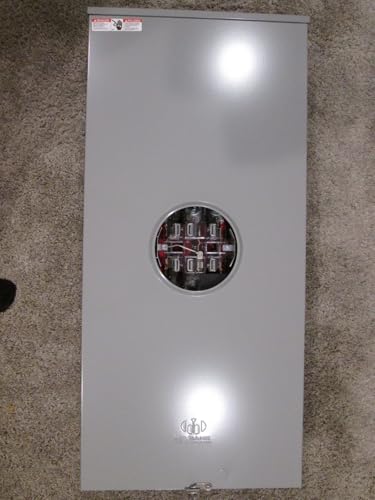
Best for larger commercial or multifamily installations needing a 3-phase meter socket with higher ampacity. This unit is designed for 3-phase service and uses a robust 320-amp rating, making it a fit for higher load centers. It’s described as a meter socket, implying compatibility with standard Meter Base configurations.
Who it’s best for: electrical contractors or building owners planning upgrades to 3-phase service with substantial load. Why selected: provides the higher current capability and appropriate 3-phase arrangement typical in commercial applications.
Caution: confirm that your service distribution equipment supports a 320 A, 3-phase configuration and that mounting provisions align with your enclosure plan.
Milbank 200 Amp 3 Phase Meter Socket With Bypass U9701-XL-QG-BLG-AEPU

Best for medium-load three-phase installations requiring bypass functionality in a compact form. The Milbank U9701-XL-QG-BLG-AEPU design supports a 200 A rating and is marketed as a Milbank meter socket, indicating compatibility with standard service equipment.
Who it’s best for: electrical installers handling 3-phase service upgrades where bypass is needed during maintenance. Why selected: a practical blend of 3-phase capability and bypass for service continuity.
Caution: ensure the enclosure and conductors match the 200 A, 3-phase configuration and that the lever or bypass method is compatible with your service panel.
Milbank U9551-RRL Ringless Heavy Duty Meter Socket

Best for robust, long-term service in either single-phase or multi-phase configurations with ringless design and horn bypass. This unit supports up to 200 A and operates at 600 V AC, offering flexibility for various service levels and mounting options as a heavy-duty option in utility-grade surroundings.
Who it’s best for: facilities requiring durable, high-capacity ringless sockets with bypass, especially in retrofit projects. Why selected: five-jaw configuration and horn bypass add versatility for complex feeds.
Caution: verify compatibility with your mechanical mounting and conduit routing, as 5-jaw designs can require precise alignment in some enclosures.
Milbank U9701-R 3-Phase Ringless Meter Socket With Lever Bypass
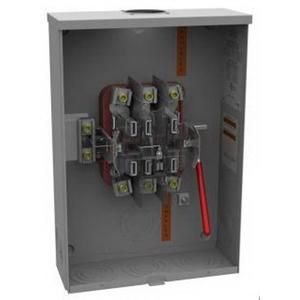
Best for projects needing a lever bypass feature with a ringless 3-phase design. This unit is 200 A and supports ringless operation, favorable for modern service entrances and easier maintenance access. Lever bypass simplifies certain maintenance workflows.
Who it’s best for: contractors prioritizing a straightforward bypass method in a 3-phase, ringless socket. Why selected: lever bypass can reduce service interruptions during rewiring or testing.
Caution: confirm the lever bypass mechanism is compatible with your service equipment and that the installation space accommodates the ringless, 7-jaw configuration if applicable.
Buying Guide: How to Choose the Right 3 Position Meter Socket
- Service Type: Determine if you need 1-phase or 3-phase, and confirm the system’s voltage and current requirements (100 A, 200 A, or 320 A).
- Bypass Type: Horn bypass, lever bypass, or bypass options affect maintenance workflows; choose based on ease of service and local electrical codes.
- Ringless vs Ringed: Ringless models often offer cleaner aesthetics and easier installation in modern enclosures, but verify enclosure compatibility.
- Jaw Configuration: The number of jaws and the specific phase arrangement impact how the socket will integrate with your meter base and feed cables.
- Mounting and Enclosure: Ensure mounting type and enclosure fit your installation site, whether indoor, outdoor, or weather-protected.
- Certifications and Local Codes: While product specs here are limited, always align with local electrical code requirements and utility guidelines for service equipment.
Frequently Asked Questions
- What does “ringless” mean in a meter socket?
Ringless means the device is designed without a metal ring around the opening, often enabling easier mounting inside an enclosure and cleaner wiring paths.
- When is a bypass necessary?
A bypass allows the meter socket to be serviced or tested without shutting off the load, reducing downtime during maintenance.
- Can I use a 3-phase meter socket for single-phase service?
Most 3-phase sockets are not suitable for single-phase service; verify the configuration and feed connections for your installation.
- What amperage should I choose for a residential upgrade?
Residential upgrades commonly use 100 A or 200 A, depending on anticipated load and service entrance equipment compatibility.
- How important is jaw count?
Jaw count affects connection points and compatibility with meter bases; match the jaw configuration to your service plan.