As an Amazon Associate I earn from qualifying purchases. These links may earn this site a commission when you buy, at no extra cost to you.
Choosing the right blade for metal cutting with a miter saw can dramatically improve cut quality, reduce heat and burrs, and extend blade life. The following 12-inch blades are tailored for non-ferrous metals, mild steel, aluminum, and other metal applications. Each option focuses on carbide durability, accurate kerf, and low vibration to help you achieve clean, precise cuts. Below you’ll find five strong performers with varied tooth counts and coatings to match different metal projects.
| Product | Brand | Tooth Count | Arbor | Notes |
|---|---|---|---|---|
| TOMAX 12-Inch 100 Tooth | TOMAX | 100 | 1 inch | Ideal for plastic, aluminum, non-ferrous metals; rust-resistant coating |
| FOXBC 12-Inch Aluminum Cutting Blade | FOXBC | 120 | 1 inch | Thin kerf, low vibration, optimized for aluminum |
| PRETEC 12BLADEST 60-Tooth | PRETEC | 60 | 1 inch | Ultra-thin kerf, cold cutting, burr-free |
| Evolution 12BLADEST | EVOLUTION | 60 | 1 inch | No heat, no burrs, minimal sparks |
| COMOWARE 12” 100T | COMOWARE | 100 | 1 inch | TCG design, anti-vibration, anti-stick |
TOMAX 12-Inch 100 Tooth Blade
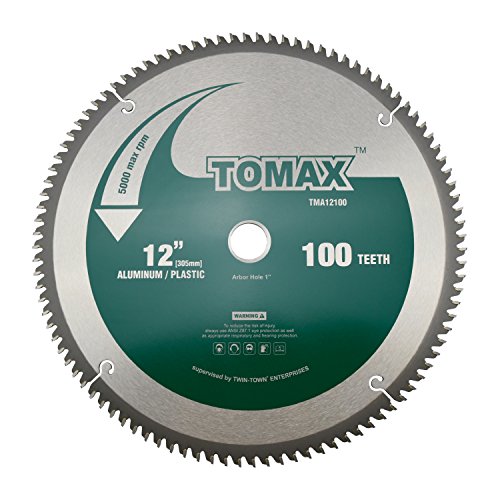
The TOMAX blade features construction-grade carbide teeth designed for maximum life while cutting plastic, aluminum, and non-ferrous metals. An electrophoretic coating improves rust and corrosion resistance, helping maintain performance in demanding shop environments. The 1-inch arbor ensures compatibility with many 12-inch miter saws. This blade is positioned for clean cuts in lightweight metal and aluminum profiles, making it suitable for garage projects and small fabrication tasks.
FOXBC 12-Inch Aluminum Cutting Blade, 120T

FOXBC’s 120-tooth blade uses a TCG grind with a thin kerf to optimize aluminum cutting. Its 1-inch arbor and precision geometry are designed for trapping noise, reducing vibration, and delivering accurate cuts across thin to medium aluminum extrusions and related materials. The design emphasizes smooth performance and durability in non-ferrous metal applications, suitable for detailed fabrication and lightweight structural work.
FOXBC 12-Inch Aluminum Cutting Blade, 120T, TCG
This FOXBC blade optimizes cutting for thin to thick aluminum sections with a 1″ arbor and 120 teeth, designed to deliver clean cuts on extrusions and copper pipe. Its high-density carbide construction aims to withstand impact and reduce wear, helping maintain sharper edges longer than standard metal-cutting blades in repeated use scenarios.
12BLADEST For Mild Steel, PRETEC
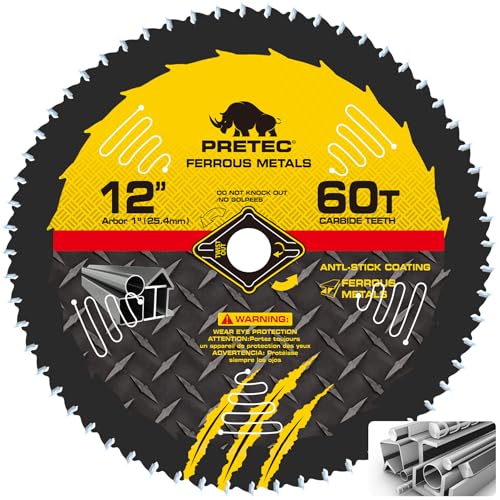
PRETEC’s 12BLADEST blade targets mild steel and other ferrous metals with a 60-tooth TCG design and a 1″ arbor. It emphasizes ultra-thin kerf (1.8 mm) for fast, efficient cuts and reduced waste. The tungsten carbide tips and protective coating help limit heat buildup and minimize burrs, making it a solid option when clean, rapid cuts are required in metal fabrication work.
EVOLUTION 12BLADEST Steel Cutting Blade
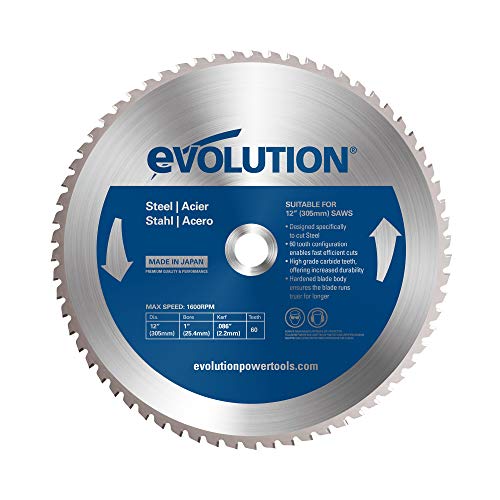
Evolution’s 12BLADEST is designed for mild steel and ferrous metals, using Japanese carbide and heat treatment for durability. It emphasizes cutting without heating, producing minimal burrs and almost no sparks, which helps maintain a safer work environment and cooler blade operation. This blade targets professional workshop steel cutting with a focus on long-lasting performance.
COMOWARE 12” 100T Metal Cutting Blade

COMOWARE’s 100-tooth blade uses a 15-degree hook angle and a universal 1″ arbor. Its tricore design emphasizes anti-vibration and anti-stick properties, with a carbide-tipped construction aimed at metal cutting across aluminum and non-ferrous materials. The blade is engineered for smoother cuts with less heat generation and reduced material sticking during lengthy cuts.
DEWALT 12-Inch Metal Cutting Wheel

DEWALT’s 12-inch cutting wheel uses high-performance aluminum oxide grain for long life and aggressive cutting action, designed for metal cutting discs. It emphasizes high grain concentration for efficient material removal and smooth operation, making it a common choice for general metal cutting tasks on a miter saw or compatible cutter. It is best applied to acceptable, non-hardened metal profiles.
Diablo 12″ Aluminum Blade, 96 Teeth

Diablo’s D1296N blade features Triple Chip Grind teeth for clean, burr-free finishes. It’s designed to reduce rework and heat buildup when cutting aluminum, copper, plastics, brass, and fiberglass. The blade includes impact resistance from Tri-Metal Shock-Resistant Brazing and Perma-Shield non-stick coating to prevent gumming and corrosion, supporting durability in demanding metal-cutting work.
Buying Guide: Key Purchase Considerations
- Material compatibility: Match tooth design and carbide quality to the metals you cut most (aluminum vs. mild steel vs. non-ferrous materials).
- Tooth count and kerf: Higher tooth counts yield smoother cuts but slower feed; thinner kerfs reduce material waste and heat buildup.
- Coatings and corrosion resistance: Electrophoretic coatings and non-stick surfaces help extended blade life in humid or oily shop environments.
- Arbor size: Ensure a universal 1-inch arbor works with your miter saw; check compatibility with existing arbors and collets.
- Vibration and noise control: Features like stabilizer vents, anti-vibration designs, and optimized hook angles improve accuracy and comfort.
- Durability versus cost: Carbide-tipped blades provide longer life but may carry a higher upfront cost; weigh your cutting frequency and material hardness.
- Safety and heat management: Cold-cut or low-heat designs minimize workpiece heat, reducing thermal distortion and worker risk.
When selecting a blade, consider your primary metal types, project scale, and whether you prioritize speed, finish quality, or blade longevity. For most home shops working with aluminum and mild steel, a 60–120 tooth carbide blade with a 1-inch arbor offers a balanced mix of clean cuts and durability. For heavy aluminum extrusions or repeated use, blades with optimized kerf and stabilizers can improve consistency and reduce vibration across long cuts.