As an Amazon Associate I earn from qualifying purchases. These links may earn this site a commission when you buy, at no extra cost to you.
Choosing the right 12-inch metal-cutting blade for a miter saw can dramatically affect cut quality, heat generation, and blade life. The blades below are designed for non-ferrous metals like aluminum and for mild steel, offering durable carbide teeth, stable kerfs, and coatings that resist rust and heat. This guide covers select blades that balance durability, versatility, and precision for American workshop use.
| Product | Brand | Arbor | Tooth Count | Best For |
|---|---|---|---|---|
| TOMAX 12-Inch 100 Tooth TCG Aluminum and Non-Ferrous Metal Saw Blade | TOMAX | 1-Inch | 100 | Aluminum and non-ferrous metals |
| FOXBC 12 Inch Saw Blade Aluminum Non-Ferrous Metal Cutting, 120T | FOXBC | 1-Inch | 120 | Thin extrusions and copper piping |
| FOXBC 12 Inch Aluminum Cutting Saw Blade, 120T, TCG | FOXBC | 1-Inch | 120 | Aluminum and copper/brass pieces |
| 12BLADEST Blade for Cutting Mild Steel with 1″ Arbor | PRETEC | 1-Inch | 60 | Mild steel and ferrous metals |
| Evolution Power Tools 12BLADEST 12-Inch x 60-Tooth | EVOLUTION | 1-Inch | 60 | Mild steel and ferrous metals |
TOMAX 12-Inch 100 Tooth TCG Aluminum Blade
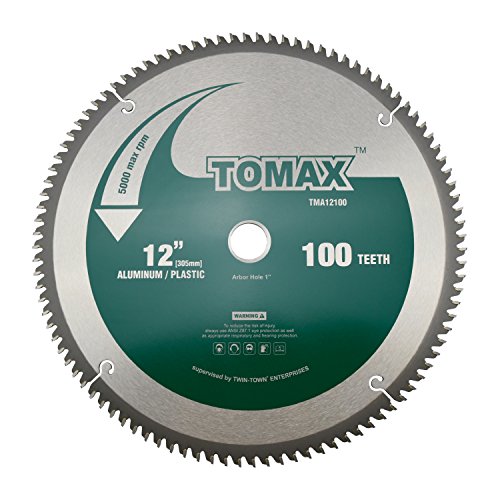
The TOMAX 12-Inch blade uses a 100-tooth TCG (Triple Chip Grind) tooth configuration designed for fast, clean cuts in aluminum and other non-ferrous metals. The carbide teeth offer enhanced wear resistance for longer blade life, while an electrophoretic coating helps reduce rust and corrosion in shop environments. The 1-inch arbor ensures broad compatibility with standard miter saws, and the fine tooth count yields smoother finishes on aluminum extrusions, pipes, and sheets. Suitable for light to moderate metal-cutting tasks where precision is important and overheating is a concern.
FOXBC 12 Inch Aluminum Non-Ferrous Metal Blade, 120T

FOXBC’s 12-inch 120-tooth TCG blade is optimized for aluminum and non-ferrous metals with a 1-inch arbor. The blade kerf is designed to be thin enough for precise cuts while providing enough rigidity for stable operation. Features include laser-cut stabilizer vents to trap noise and reduce vibration, which helps maintain accuracy during long cuts. It’s well-suited for cutting thin-walled aluminum extrusions, copper, brass, and other soft metals where clean edges are important.
FOXBC 12 Inch Aluminum Cutting Blade, 120T
This FOXBC blade also uses a 120-tooth configuration with a 1-inch arbor, optimized for aluminum and similar metals. It emphasizes durability with high-density carbide and a design that handles thin to medium aluminum extrusions and copper components. The blade’s 5-degree negative hook angle reduces deformities and allows smoother entry into metal pieces, which is beneficial for precise miters and intricate cuts on aluminum profiles.
12BLADEST Blade for Mild Steel – PRETEC
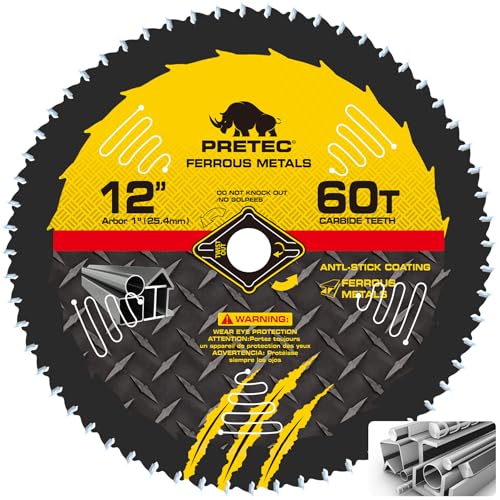
PRETEC’s 12BLADEST is designed for cutting mild steel with a 12-inch, 60-tooth carbide-tipped blade and a 1-inch arbor. It emphasizes long life through durable titanium carbide compounds and advanced brazing technology. Ultra-thin kerf (around 1.8 mm) minimizes material waste while delivering clean cuts through ferrous metals like angle iron and rebar. The Triple Chip Grind shape helps manage heat and provide smoother cuts with less sparking, making it a strong option for cold-cut metalwork.
Evolution Power Tools 12BLADEST 12-Inch Blade
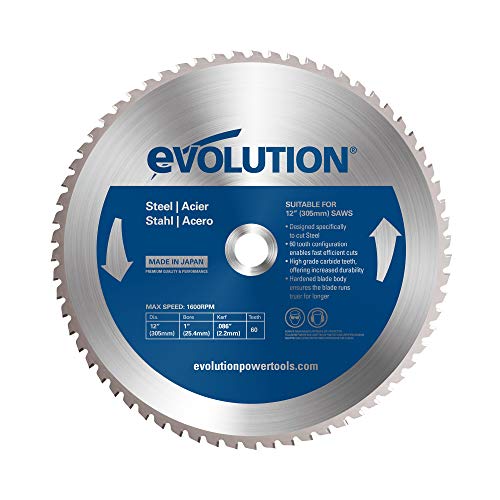
Evolution’s 12BLADEST is a 12-inch, 60-tooth blade designed specifically for mild steel and other ferrous metals. It uses Japanese carbide with heat treatment to improve durability and reduce heat generation. The blade is marketed as producing no heat, no burrs, and virtually no sparks, enabling near-finished cuts suitable for finishing tasks without post-cut work. It’s a practical option for workshop steel cutting where clean edges and reduced heat are priorities.
Buying Guide: Key Considerations For 12-Inch Metal Cutting Blades
Selecting the right blade involves balancing metal type, thickness, and the desired cut quality. Consider these factors when comparing blades for a miter saw:
- Material compatibility: Aluminum and non-ferrous metals benefit from blades with high-density carbide teeth and TCG or similar tooth designs to minimize heat and burrs.
- Tooth count and kerf: Higher tooth counts (like 100–120) yield smoother finishes but reduce aggressive cutting speed. For aluminum and thin metals, a finer tooth pitch improves edge quality.
- Arbor size: Most 12-inch blades use a 1-inch arbor. Confirm your saw’s arbor compatibility to avoid fitment issues.
- Coatings and corrosion resistance: Coatings help protect blades in humid or dusty environments and extend life when cutting ferrous or treated metals.
- Kerf width: A thinner kerf reduces material waste and crew contact, but may require stable feed to prevent deflection. Thick kerfs offer more rigidity for heavy cuts.
- Heat and sparking: Some blades emphasize “no heat” or reduced sparking, which is desirable when cutting services near sensitive components or in confined spaces.
- Vibration reduction: Blades with stabilizer vents or laser-cut designs can reduce vibration, improving cut accuracy and operator comfort.
- Intended use: Separate blades are optimized for aluminum, mild steel, or mixed ferrous metals. Using a blade beyond its intended scope can shorten life and affect cut quality.
In practice, for aluminum and non-ferrous metals, blades with 100–120 teeth and a TCG grind provide clean edges with minimal heat buildup. For mild steel, blades with 60 teeth and robust carbide tips deliver faster metal removal with acceptable burr control. Coatings and stabilizers further enhance performance in busy shop environments.
When selecting blades from the listed options, consider your typical material stock, project size, and whether you value burr-free finishes over cutting speed. For mixed metal projects, a blade like the 100T TOMAX or 120T FOXBC blades offers a good balance of speed and edge quality, while the PRETEC and Evolution blades emphasize reduced heat and sparks for safer cutting of ferrous metals.
Safety note: Always follow the saw manufacturer’s guidelines for blade installation, use proper PPE, and ensure clamps secure your workpiece. Use a blade suitable for your material thickness and remove any shavings or debris from the work area to prevent kickback.