
Best Super Efficient Solar Panels for Off-Grid Power
The top choice for buyers seeking highly efficient solar panels is to prioritize monocrystalline cells, compact form factors, and technologies like bifacial designs when appropriate. This guide highlights five high-efficiency options, suitable for RVs, vans, boats, cabins, and off-grid homes. It explains who each product is best for, why it stands out, and any limitations to consider. Use the quick comparison table below to scan core features at a glance.
| Product | Key Feature | Best For |
|---|---|---|
| Lumera Solar Canadian Made Bifacial Solar Panel 220W | Monocrystalline, bifacial design, low iron glass | Marine and RV setups needing extra rear-side energy capture |
| Renogy Solar Panels 200 Watt N-Type | 25% efficiency, lighter and compact for tight spaces | Class B vans and small systems with 12V/24V options |
| SUNGOLDPOWER 590W Bifacial Panel | Front and rear energy capture, up to 30% more energy | Rooftop or ground-mounted systems with high power needs |
| Callsun N-Type 200W Solar Panel (2×100W) | N-type cells, 16BB, compact space-saving | RV, van, marine, and off-grid 12/24V systems |
| JJN 200W Solar Panels (2×100W) | 10BB/23% efficiency, compact frame | RV, boat, and small off-grid installs where space matters |
Lumera Solar Canadian Made Bifacial 220W Panel
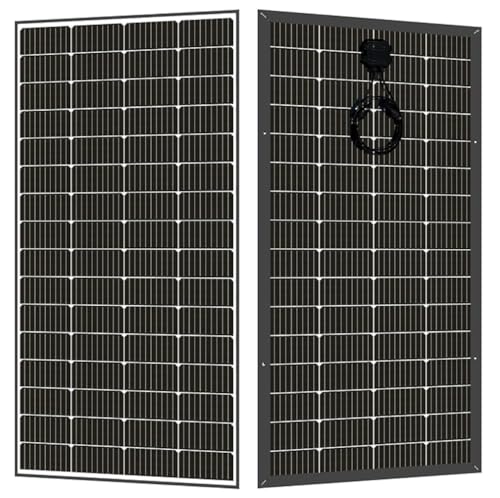
The Lumera Solar 220W bifacial panel uses high-quality monocrystalline silicon, a sturdy black aluminum frame, and 3.2mm low-iron glass for durability and efficiency. Its bifacial design captures additional light from the rear, increasing total output in suitable reflects. Best for rugged marine or RV installations where space is limited but peak power matters. Best for buyers seeking extra energy during sunny days and favorable reflective conditions. Caution: bifacial gains depend on mounting and reflective surroundings; performance can be limited in shaded or non-reflective environments.
Renogy Solar Panels 200W N-Type

Renogy’s 200W N-Type panel features 25% cell efficiency with 16BB busbar technology, delivering higher output and reduced microcrack risk. It’s 7.5% smaller and 11.7% lighter than prior models, making it ideal for Class B vans and tight roof spaces. Best for compact installations requiring reliable 12V or 24V operation with solid temperature performance. Choose this if you value efficiency and space savings. Limitation: lower overall scale for very large off-grid systems without additional panels.
SUNGOLDPOWER 590W Bifacial Panel

This high-capacity bifacial panel uses N-Type 16BB cells and offers up to 22.8% efficiency with potential rear-side energy gain. It’s designed for rooftop or ground setups and is best for projects needing substantial power in limited space, such as home backups or large off-grid builds. Better for expanding capacity without proportionally increasing footprint. Caution: higher output can require robust mounting and wiring to safely manage increased voltage and amperage.
Callsun N-Type 200W Panel (2×100W)

Callsun’s 2×100W N-Type panel uses 16BB busbars for improved shade tolerance and reliability. It’s compact at just over a small footprint, with pre-drilled mounting holes enabling flexible installation on RVs, vans, or boats. Best for smaller spaces needing reliable 12/24V output in off-grid setups. Choose this if installation space is limited and you want high efficiency per panel. Limitation: two modules connected may complicate wiring in very tight roof planes.
JJN 200W Solar Panels (2×100W)
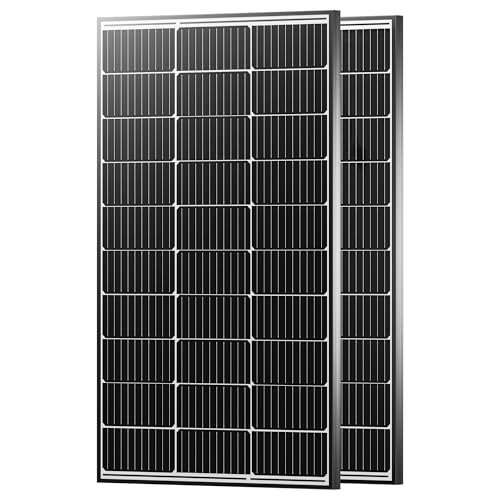
JJN’s 200W set uses 23% efficient monocrystalline cells with a 10BB busbar design, offering compact frames and corrosion-resistant aluminum. It is well-suited for RVs, boats, and off-grid cabins that require reliable, space-efficient power. Best for budget-conscious buyers who still want solid efficiency and long-term reliability. Caution: data notes emphasis on panel quality; effective performance depends on mounting strength and weather exposure.
Buying Guide
- Efficiency vs. size: Higher efficiency panels deliver more power per square foot, which matters in limited spaces like RV roofs or small cabins. Consider total system needs and roof area.
- Monocrystalline vs. bifacial: Monocrystalline panels are common and offer good efficiency. Bifacial designs can add rear-side gains in reflective conditions, but mounting and placement are crucial.
- Voltage and system compatibility: Ensure panel voltage matches your battery bank (12V vs 24V) and that your charge controller supports the panel type (N-Type, 16BB busbars, etc.).
- Size and weight: Compact panels help in tight spaces but may require more mounting hardware or additional panels to reach desired wattage.
- Durability and mounting: Look for durable frames, weather resistance, and easy installation with pre-drilled holes or integrated mounting options.
- Temperature and shading: Efficiency can drop with high temperatures; consider shade-tolerant designs (16BB, anti-shade tech) for real-world conditions.
Frequently Asked Questions
- What is the advantage of bifacial solar panels? They capture light from both sides, which can increase total energy output in reflective or bright environments.
- Do N-Type solar panels perform better than P-Type? N-Type cells generally offer higher efficiency and less susceptibility to light-induced degradation, improving long-term output.
- Is 200W per panel enough for small off-grid systems? For compact roofs and modest energy needs, yes; for larger systems, multiple panels are often required.
- Can I use these panels on a vehicle roof? Yes, provided you have appropriate mounting hardware and a compatible charge controller for 12/24V systems.
- Are bifacial panels worth the extra cost? It depends on installation conditions; in reflective surfaces or elevated installations, they can offer meaningful gains.
- What should I consider when choosing between 590W and 860W panels? Higher wattage panels save space but require stronger mounting and may demand higher-rated inverters and wiring.